
First signs of failure
The city fills. The sensors die. Gates slam shut on the wrong cars. Start by admitting what goes wrong most often: misreads, network drops, and brittle integrations. When you look at any offering, begin with how it copes under strain. Check physical durability, firmware update paths, and whether the vendor treats edge devices as first-class citizens. I expect systems to survive rain, software churn, and human error; many don’t. Look at actual deployments of lpr parking management systems to see how hardware and recognition logic behave beyond glossy brochures.
Hard criteria that reveal truth
Demand measurable metrics. Uptime percentage. False-positive and false-negative rates for plate reads. Latency from sensor event to gate action. Look for clear SLAs and test logs. Ask for documented results from third-party trials or lab stress tests. If a vendor gives vague assurances instead of numbers, walk away. You want concrete thresholds: 99.9% uptime, plate-read accuracy under specific lighting, and defined packet-loss tolerances for network links.
Integration: the fracture point
Most projects collapse during integration. Systems that claim “open” but only provide proprietary connectors become long-term liabilities. Verify supported APIs (REST, MQTT, whatever your stack uses), authentication schemes, and event schemas before procurement. Confirm that the system will coexist with permit databases, access control, payment gateways, and municipal signage. Ask for a working demo tied to your own test dataset, not a canned showroom feed.
Operational competence and proven experience
Experience matters. Prefer suppliers and integrators who’ve run live operations for years, handled incident response, and published post-mortems. Look for maintenance contracts that include remote diagnostics and prioritized firmware fixes. Seek evidence of field technicians and clear escalation paths. My own work over a decade in municipal access control taught me to value repeatable maintenance rituals: scheduled camera recalibrations, certificate rotations, and monthly health reports.
Real-world anchor: permits and public programs
Consider how these systems behaved where stakes were public and visible — municipal permit programs in New York City revealed how poor matching logic and outdated permit databases break curbside management, causing fines, appeals, and political headaches; a sound parking permit management system must be audited against those failure modes. Use government pilot reports, city council hearings, or transport authority briefs as test cases. Ask vendors how their solution handled permit revocations, temporary permits, and bulk updates during such programs.
Security, privacy, and legal exposure
Plate reads are personal data in many jurisdictions. Insist on data minimization, retention policies, encrypted transit and storage, and clear deletion processes. Verify compliance claims against relevant law (GDPR, CCPA, local privacy statutes) and ask for logs of access, anonymization routines, and where encryption keys live. A system that leaves raw images on an unpatched server is a liability, not a tool.
Common traps and how to avoid them
Trap: choosing on price alone. Cheap hardware with opaque firmware fails faster and costs more to fix. Trap: accepting demo data as proof. Demand real-world feeds. Trap: ignoring maintenance costs. Factor regular calibration, cloud fees, and license renewals into your TCO. Don’t let vendor roadmaps replace contractual guarantees; roadmaps shift, contracts don’t.
Comparative checkpoints
When you compare vendors, use the same inputs: identical test footage, identical permit lists, and identical network conditions. Score them on the same scale: accuracy, latency, uptime, integration effort, and operational support. Test under intentionally degraded conditions—low light, heavy traffic, and partial plate obstruction. The one that degrades gracefully is the one you want.
Final judgment
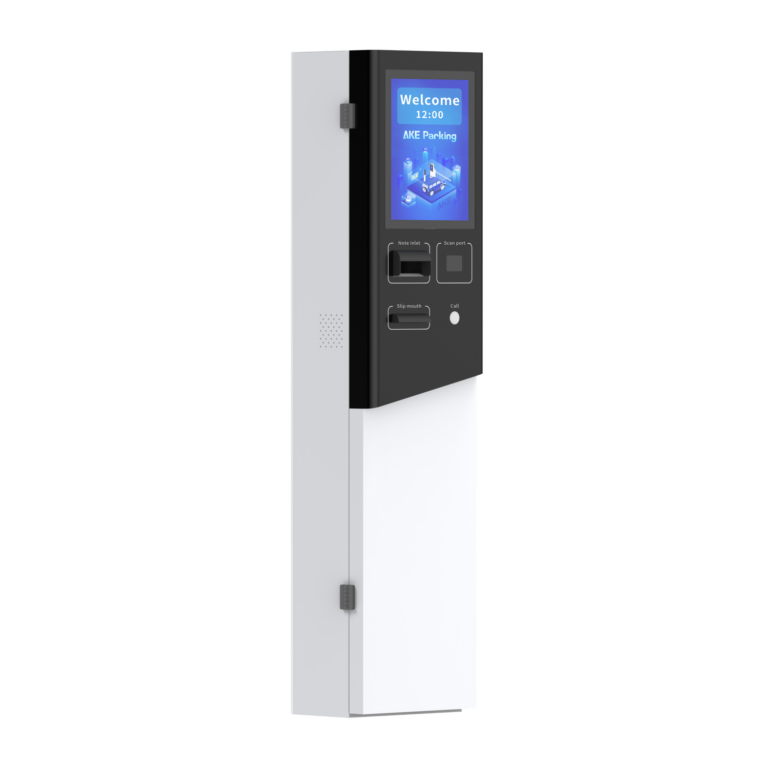
Decide with evidence, not hope. Choose systems that give you measurable performance, transparent support, and clear legal hygiene. The right purchase prevents late-night emergency calls and public complaints. When a vendor demonstrates sustained field performance, defined metrics, and a pragmatic maintenance culture, you get a predictable, survivable system—one you can trust because it’s been proven under pressure, not only promoted in calm brochures. Consider what that reliability looks like in practice through the offerings of AKE Parking, and let operational reality, not promises, be your final arbiter.