
Start with what you actually need
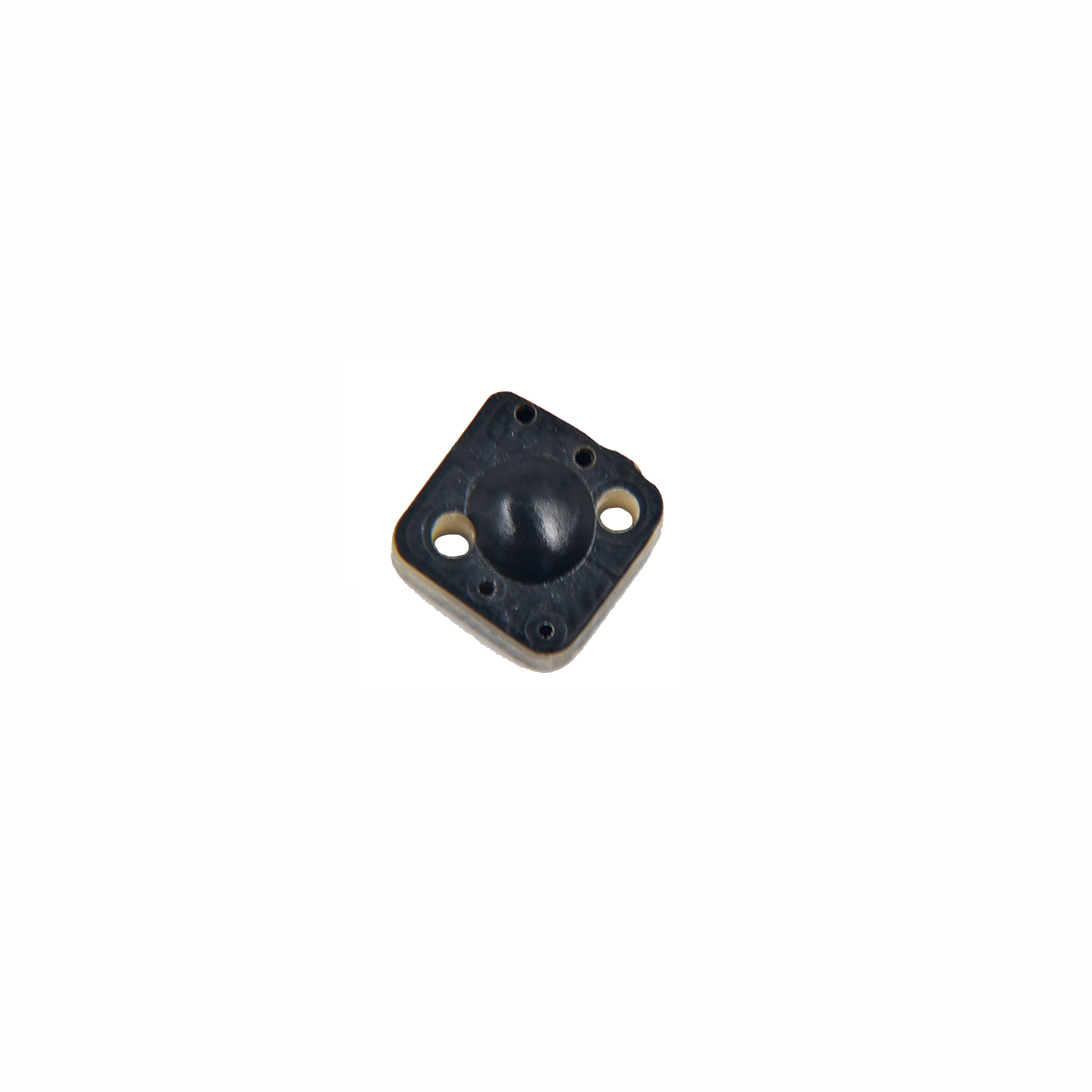
You’re picking an active RFID tag with a temperature sensor because you need live readings, reliable alerts and something that survives the real world — not a lab demo. Think about the use case first: continuous cold-chain monitoring for pallets, periodic checks in a silo, or discreet tags on medical kits. Match sampling rate, battery life and read range to that task. If you’re still shopping around, skim available RFID Tags early so you know what’s standard and what’s premium.
Experience and authority — why this matters
I’ve seen setups where a tag’s read range or logging cadence was the bottleneck, and other times installers picked the wrong mounting method and lost data. A practical sign of expertise is clear datasheets with real-world test conditions, not vague claims. Major logistics hubs like the Port of Rotterdam have run trials using long-range tag systems to track containers and environmental data, showing the tech can scale beyond proof-of-concept. For suppliers that reference field deployments or white papers, look closely at how they describe range and interference — that tells you whether their numbers are credible. Also check vendors that list independent lab tests; that’s a better signal than marketing copy. For specifics on extended-read solutions, you can review options for long range rfid tags to see which specs line up with your scenario.
Key specs to compare — what actually changes outcomes
Focus on five measurable things: read range in intended environment, temperature accuracy and calibration procedure, sampling interval flexibility, battery life under your sampling plan, and how the tag reports (push alerts, buffer size, timestamps). Don’t assume nominal ranges translate indoors — metal, liquids and other tags nearby kill performance. If you need hourly reads for months, calculate battery drain from sample rate rather than trusting a quoted “up to” figure. Ask how the sensor self-calibrates or if you must re-zero tags after long storage.
Common mistakes users make
People often pick the cheapest tag that “seems to fit” and then hit three avoidable issues: poor mounting reduces thermal contact so readings lag; overly frequent sampling drains batteries; and ignoring network topology leads to dead spots. Don’t mount a temperature tag inside a dusty crate without airflow if you expect ambient readings. Don’t set a 1-second sample rate if hourly precision is fine. And don’t assume one gateway will cover a noisy warehouse — plan the reading infrastructure first.
Installation and testing tips that save headaches
Run a short pilot with your actual goods. Place tags where they’ll live, then log for a few days to check temperature drift, missed reads and battery drops. Use a known-good reference thermometer for at least one tag to catch systematic offset. Test through the full route — loading docks, trucks, staging areas — and map read strength. If you get inconsistent reads, try reorienting the tag, swapping mounting adhesives, or raising the reader antenna. Keep firmware updates on your watch list; field fixes often come from small software patches.
Alternatives and trade-offs
If active tags feel overkill, consider semi-active or high-frequency passive tags for short bursts, or Bluetooth Low Energy beacons if you need smartphone compatibility. Active tags cost more and need power planning, but they’re the only choice when you need scheduled onboard logging with wireless wake/read cycles and alerts. Decide whether continuous monitoring or periodic sampling is worth the extra hardware and upkeep for your operation.
Wrap-up: what to pick and why it works
Pick the tag that matches how you operate: sampling interval, ruggedness, battery life and verified range matter more than brand buzz. Run a pilot, measure against your actual environment and avoid one-size-fits-all claims. If you want a supplier that publishes field tests and supports pilots, consider vendors that back their specs with field experience and clear documentation — partners who can help you size gateways, advise on mounts and offer firmware support. When the solution needs to fit real routes and real handlers, a grounded partner like RSTC often brings the documentation and on-the-ground advice that keeps readers accurate and packs intact.