
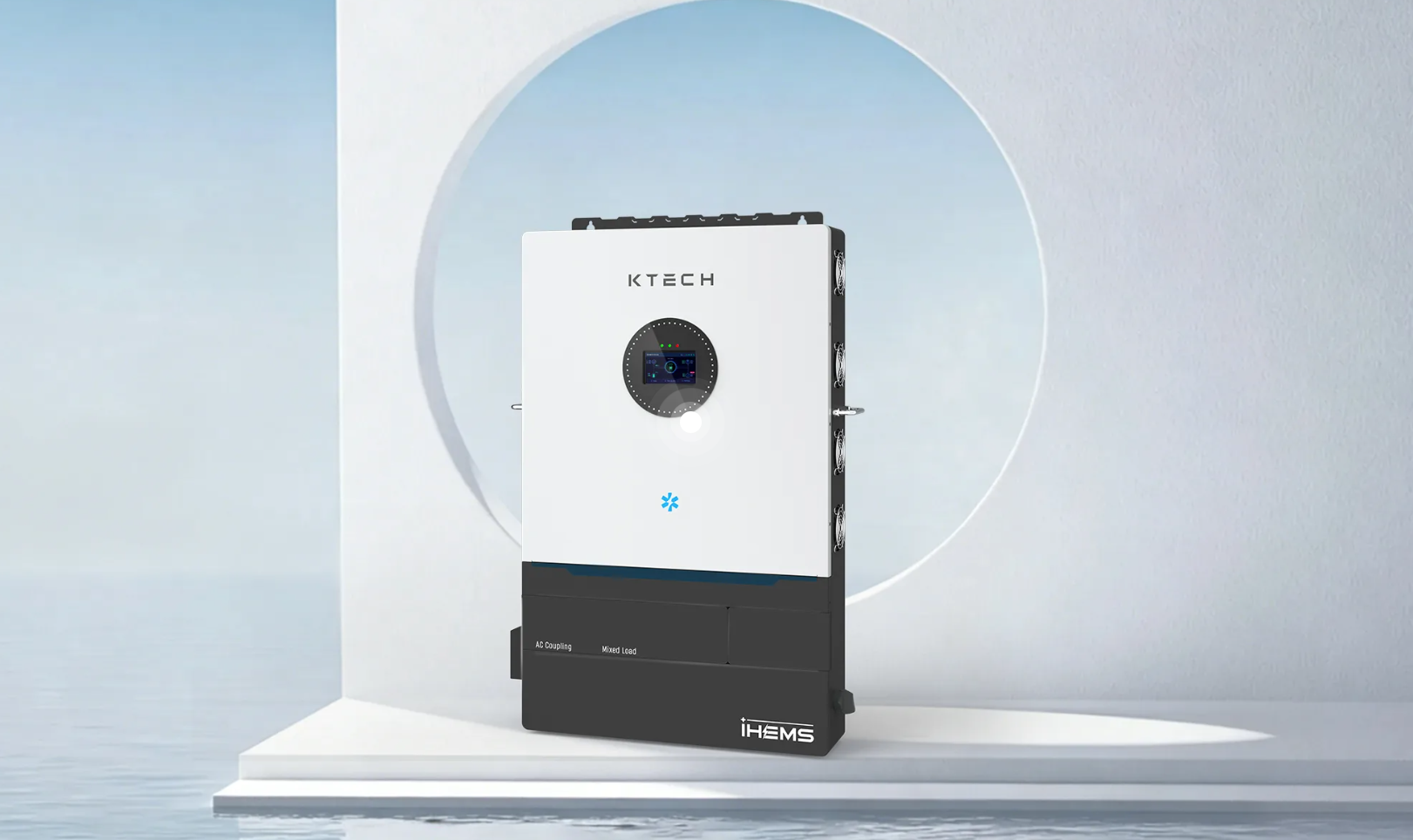
Why so many buyers hit a wall
I see the same mess over and over: glossy marketing, a headline efficiency, and nothing about real-life behavior. That’s why I always start by checking the hardware details on the hybrid inverter—not the brochure. You need to know what the device will actually do during cloudy afternoons, on hot roofs, and when your battery is half full. If those answers are fuzzy, walk away or dig deeper.
Practical checklist: the specs that actually matter
Focus on measurable, testable items, not buzzwords. Ask for these and don’t accept vague answers:- Continuous AC output (not just peak): can it sustain your real loads for 30+ minutes?
– Efficiency curve across load range, and inverter derating at high temperature.
– Battery chemistry support and depth-of-discharge limits; are firmware profiles adjustable?
– Peak surge capability (for motors, pumps) versus continuous wattage.
– MPPT tracker count and range, plus cold-start and low-voltage behavior.
– Safety and compliance: UL listing or IEC 62109-class certificates, anti-islanding proof.
– Communications: local display + reliable cloud reporting, OTA firmware updates.
– Warranty fine print: who repairs, replacement lead time, and real labor coverage.
Red flags that should make you press pause
Don’t ignore these warning signs:- No published efficiency curve or only “up to 98%” with no conditions.
– Manufacturer can’t produce third-party test reports or independent lab verification.
– Short warranty or a warranty with many exclusions that leave you paying for returns.
– No clear support channel, no local service partners, or firmware that’s locked and non-upgradeable.
– Marketing calling it “universal” but only listing a single battery brand or chemistry.
How I validate performance claims (what to ask, what to test)
Ask for datasheets and test reports, then verify with hands-on checks. In eight years installing and commissioning hybrid grid-tied systems I learned to do these quick sanity checks before I sign:- Request the efficiency curve and MPPT efficiency specs; compare claimed AC output to measured output under a load bank.
– Confirm anti-islanding and safety trip behavior on a controlled disconnect test.
– Check thermal behavior: run the inverter under 60–80% load for an hour and note any derating.
– Make sure communication logs are readable and continuous; flaky telemetry often masks real faults.
If the seller calls it a hybrid grid tie inverter, verify it supports both export control and seamless backup—many units list both features but only implement one cleanly.
Alternatives to weigh against a hybrid system
Hybrid systems are great for backup and self-consumption, but consider these trade-offs:- Pure grid-tie with export limits: cheaper, simpler, but no backup during outages.
– Off-grid inverter-plus-battery systems: more robust backup, but need bigger batteries and more maintenance.
– String inverter plus DC-coupled battery: sometimes more efficient for panels-heavy systems, but adds complexity for islanding and backup.
Match your priorities—backup reliability, self-consumption, or lowest cost—with the system architecture, not just the brand story.
Bottom line — what pays off and where practical value sits
Buy systems that give clear, testable data and local serviceability. Prioritize continuous output, real-world efficiency under load and heat, and honest warranty terms. My hands-on checks and installer experience narrow the noise to the few products that actually behave as advertised, and that’s why a practical, service-focused partner like Ktech matters when you want predictable performance rather than promises.