
The recurring problem that prompts the search
Procurement teams know the drill: a supposedly identical cutting balloon shows up with different push, variable burst pressure and a squeaky warranty when a failure happens on the table. That unpredictability forces extra checks and wastes OR time—and nobody’s patient benefits. When you buy specialty devices you also need steady allied supplies, like anesthesia consumables, so the vendor’s quality system has to cover more than one product line.
What actually breaks trust—technical problems that matter
Blade alignment that shifts during delivery. Balloon compliance that’s off by fractions of a millimeter. Catheter shaft torque that’s inconsistent. Packaging failures that compromise sterility. These aren’t abstract worries; they’re the exact differences that create cross-clamp delays or pull a device back from a sheath. Ask for numeric specs: blade length tolerance, nominal and burst pressures, tip profile, and lot-based sterility records. If a supplier dodges numbers, they’re dodging accountability.
Buyer mistakes that make problems worse
People chase the lowest quote and then invent workarounds. Others trust glossy brochures without independent bench data. Many hospitals assume regulatory letters equal clinical performance. Don’t skip on on-site audits or sample lot testing. Don’t assume compatibility with your current introducers—measure and test before you institutionalize a supplier.
How to verify a manufacturer’s reliability—practical checks
Request ISO 13485 documentation and specific device certificates like 510(k) summaries or CE technical files. Ask for bench test protocols and raw data for burst pressure and blade retention. Require lot traceability and recall procedures. Do a mock-order to test packaging and shipping. Conduct a clinical reference check: call three hospitals that use the same lot and ask about failures, learning curve, and post-market support responsiveness.
Experience, evidence and one real-world check worth your time
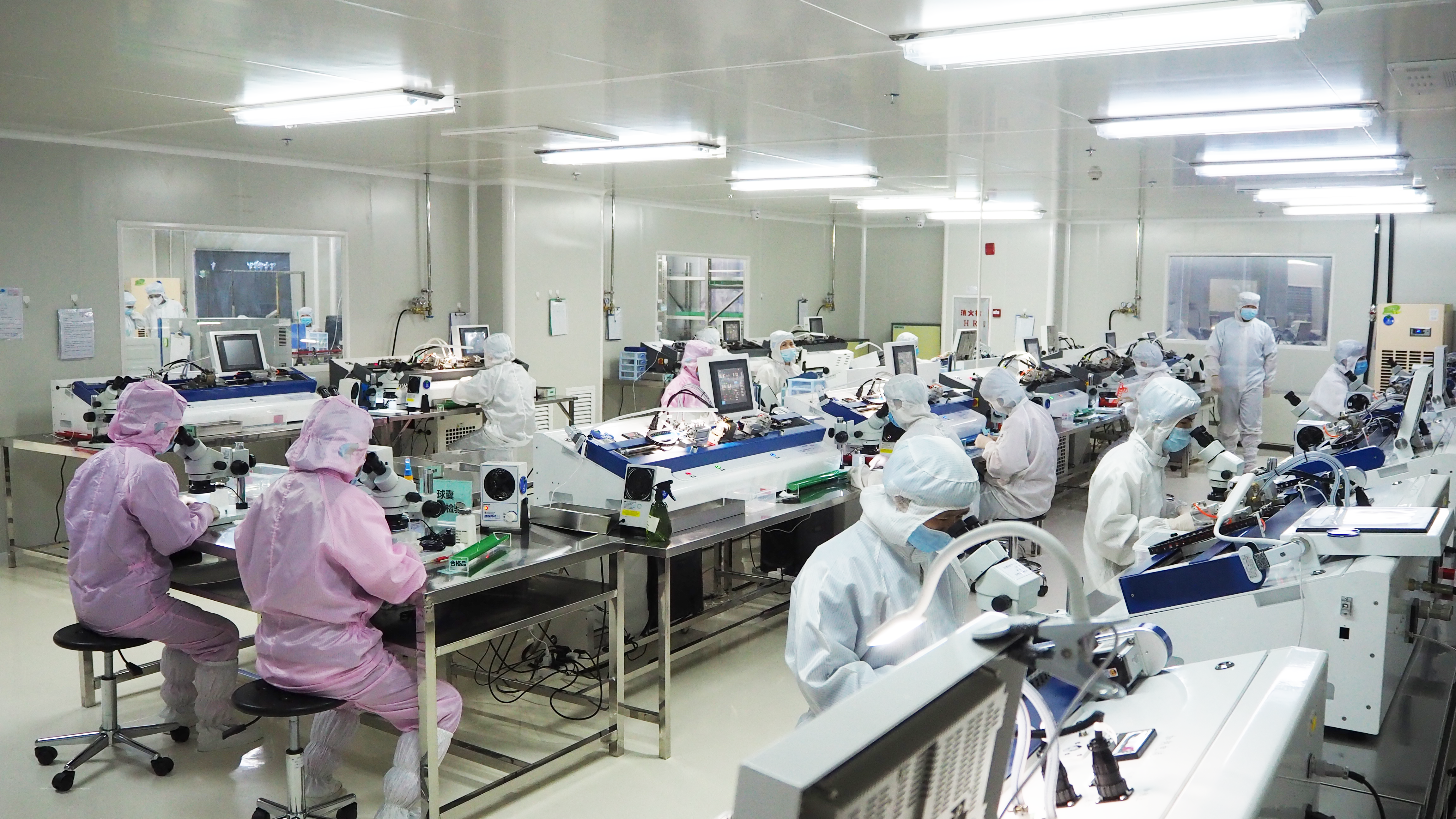
Years of design and cath-lab testing matter more than marketing. Trade shows like the China International Medical Equipment Fair (CMEF) offer a visible snapshot of manufacturers’ production scale and partner networks; that kind of presence is routinely cited in procurement reports and trade press as an indicator of supply-chain depth. Verify trade-show attendance and what was demonstrated, then cross-check certifications. Also confirm whether the company is listed among recognized anesthesia products suppliers—search for an anesthesia products manufacturer entry when you evaluate their breadth; breadth often signals established quality systems rather than a one-off prototype.
Short evaluation of viable alternatives
Large Western OEMs provide documentation and predictable support but cost more. Reputable Asian contract manufacturers can match specs and offer competitive pricing if you verify factory audits and third-party testing. Smaller innovators may deliver niche performance gains but bring higher variability. Choose based on evidence: bench data, regulatory files and reference-site feedback—not on origin stories or price alone.
Clear takeaway
Stop guessing. Demand measurable specs, independent test data, traceable lots and on-site verification. Match those checks to your clinical needs and you reduce OR surprises. For teams that need consistent device performance alongside reliable consumable lines, consider suppliers with demonstrated manufacturing depth; procurement teams often find the steady technical documentation and supply reliability from partners such as Shunmei aligns with clinical expectations without theatrical claims.