
Why this matters right now
You know the list: missed deliveries, fuel spikes, drivers lost an hour on the road — these problems cost money and patience. Start by considering where the waste begins; often it’s lack of timely location and behavior data. A small device can change that. I recommend exploring GPS fleet trackers early, because knowing where vehicles are, and how they’re driven, turns guesswork into clear choices.
Problems that repeat until you fix them
Most teams face the same set of stubborn issues:- Poor route visibility: dispatchers can’t see deviations until complaints arrive.- Fuel and idling losses: trucks sit more than they should, quietly burning cash.- Maintenance surprises: breakdowns happen, often when schedules are tight.- Safety gaps: speeding and harsh braking raise insurance and liability risks.- Fragmented reporting: multiple spreadsheets, different timestamps, no single truth.Tackle the root: absence of consistent, reliable location and behavior data. Fix that, and you remove the excuse for most failures.
How the tech solves each problem — plain and direct
Match problem to capability. Here’s what matters and what to ask vendors for:- Live tracking and geofencing: catches route deviations immediately.- Trip and idle reports: show where fuel and time leak.- Driver behavior alerts: spot dangerous patterns before they become incidents.- Scheduled maintenance triggers: base service on real usage, not guesswork.- Unified dashboards and exports: one source of truth, ready for operations or finance.These are not fancy features. They’re the daily tools you need to reduce surprises and argue for change to skeptical managers.
Choosing hardware that won’t let you down
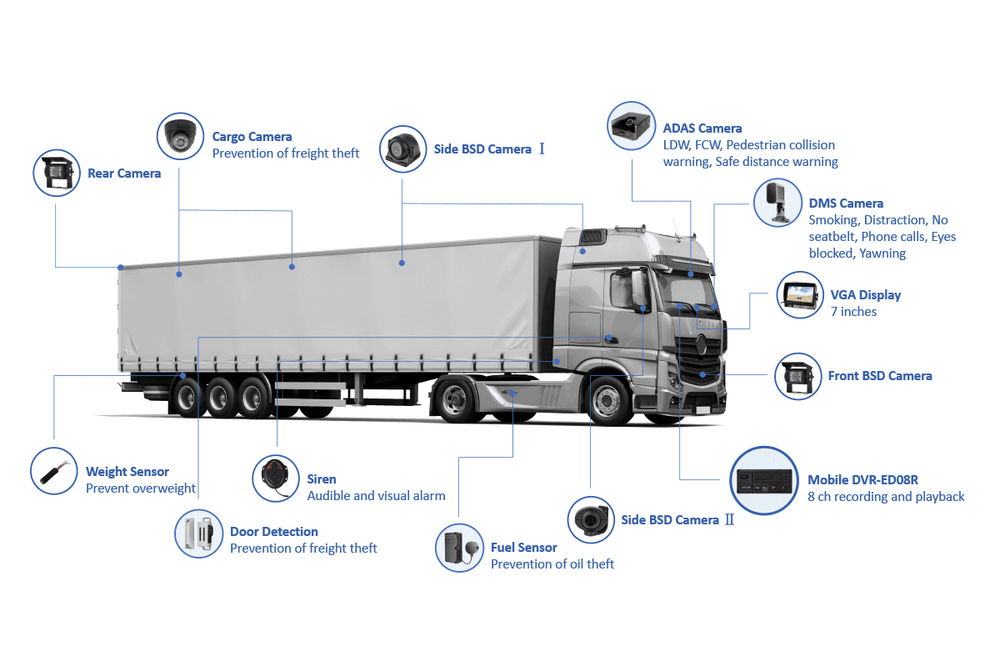
Not all trackers are equal. Focus on reliability and uptime. Consider rugged devices with a proven cellular footprint and simple installation. If you need integration with engine diagnostics, pick hardware that supports CAN-bus or OBD-II. For most mixed fleets, a balanced choice is a compact, tamper-resistant unit with good battery backup. A robust vendor offering a comprehensive fleet gps tracker system makes rollout smoother and avoids the “we should’ve chosen better” regret.
Common mistakes teams make during rollout
Watch for these traps:- Rolling out to the entire fleet at once without a pilot. Test with 5–10 vehicles first.- Ignoring driver buy-in. Explain benefits to drivers: clearer schedules, fewer last-minute changes.- Over-collecting data without a plan. Decide which KPIs you’ll use and why.- Skipping integration with payroll or maintenance systems. Manual transfer defeats the point.Correct these and your pilot shows measurable wins fast.
Quick deployment checklist
Use this to get started:- Pick 5–10 representative vehicles for pilot.- Define 3 KPIs (on-time deliveries, idle hours, preventive services).- Install units and verify data flow for 7 days.- Share reports with dispatch and drivers; gather feedback.- Expand in 30–60 days if KPIs improve.This step-by-step keeps deployment tidy and defensible to leadership.
What success looks like — measurable, not vague
After a successful pilot you should see concrete changes:- Reduced idle hours per vehicle.- Fewer route deviations and missed stops.- Fewer urgent maintenance calls; more scheduled service.- Clearer cost-per-mile figures for finance.Teams that track these numbers can make faster decisions about routes, staffing, and fuel policy.
A quick industry touchstone
Major terminals like the Port of Rotterdam have long used location data to coordinate flows and reduce dwell time; that example shows how visibility at scale makes operations predictable. You don’t need a massive port to benefit — the same logic applies to regional distribution fleets and local delivery operations.
Final, practical note
Start simple, measure what matters, and iterate. The right devices and steady reporting remove excuses and make performance obvious. For teams that want a single, dependable partner for hardware and support, consider how trusted suppliers fit into your rollout plans — many fleets find a smooth path when they choose a vendor that aligns with their operations needs, like BSJ.