
What you want and why it matters
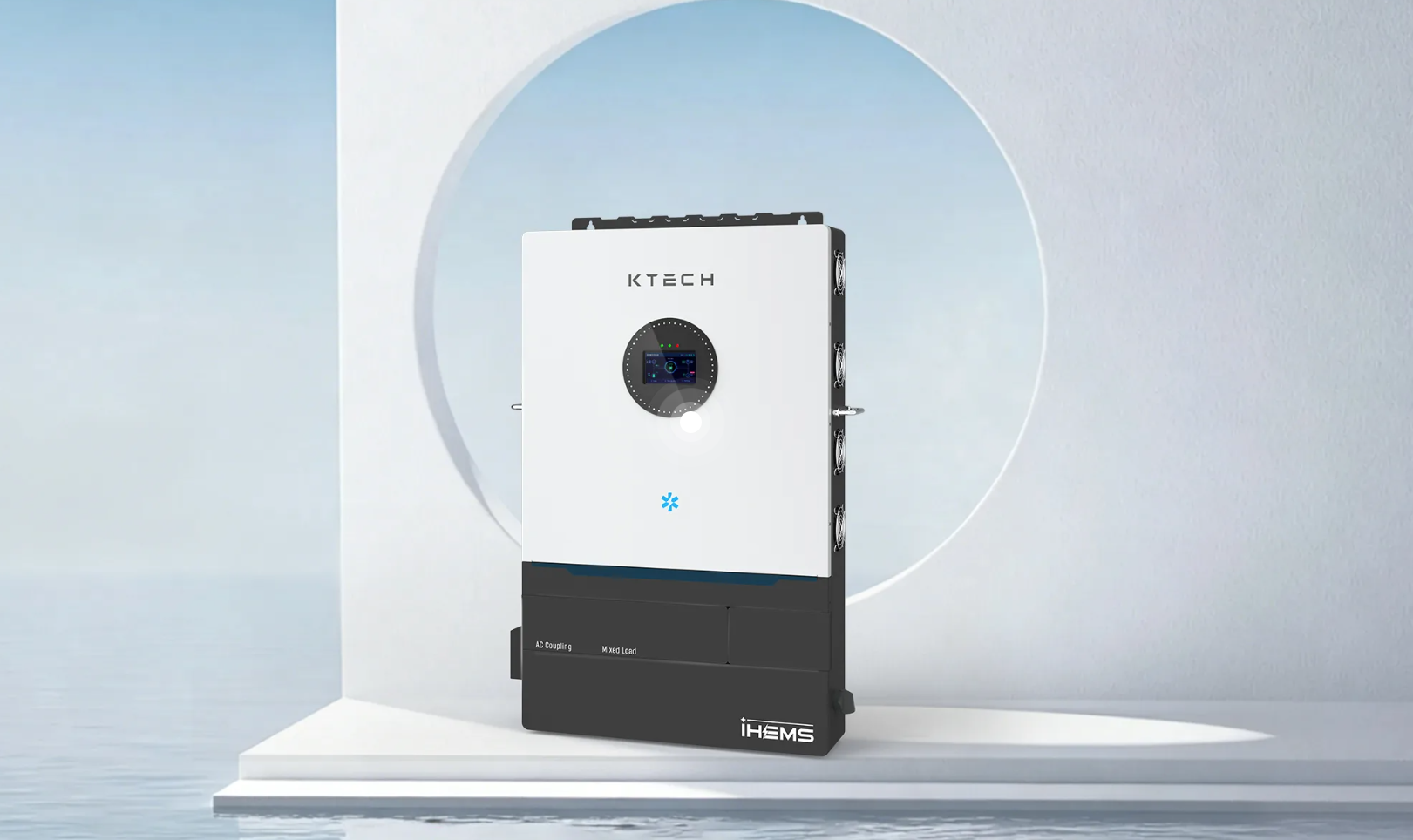
Start by naming the outcome you need: reliable uptime, clear warranty responsibility, predictable lead times, or low total cost of ownership. If your project includes battery-backed systems or remote installs, you may be specifically shopping for an off-grid inverter; that single decision changes the technical and commercial criteria you prioritize. Think in terms of roles: you sell product, you integrate into another brand, or you deliver a finished solar project — every choice shifts the tradeoffs.
One-line user checklist
If you’re scanning suppliers, let this short checklist guide you before you read specs: • Does the inverter match your typical load profile? • Is local technical support available? • Are firmware and documentation accessible? • Is certification appropriate for your market? Use this when you shortlist manufacturers; it keeps decisions tied to real needs, not marketing.
Technical priorities explained simply
Match inverter type to load. For resistive loads you can be flexible; for sensitive electronics and variable-speed motors you need a clean output waveform — choose a pure sine wave inverter to prevent overheating, audio buzz, or control problems. Check surge capacity (for motor starts), continuous rating (for sustained loads), and efficiency curves at 25–75% loading. Ask for lab test reports rather than marketing numbers.
Practical manufacturer evaluation — what to ask
Use these targeted questions with suppliers and score them on the answers:• Support: Do they offer regional field engineers or only remote phone support? • Spare parts: Are critical components stocked regionally and how long to ship? • Firmware: Is firmware open for updates, and who pushes fixes in the field? • Tests and certs: Ask for IEC/UL reports, EMC, and temperature-derating tests relevant to your climate. • Warranty handling: Who handles onsite replacements — the manufacturer or a local partner?
Real-world anchor and evidence of reliability
Field teams often learn fastest. For example, installers running rural microgrids in Kenya rely on pure sine wave inverters for household electronics and clinic equipment; that simple requirement drove choices toward models with documented low harmonic distortion and long-duration surge ratings. Use such deployment patterns as a sanity check: if a device succeeds in austere, high-cycling installations, it’s likely robust enough for mainstream projects.
Common pitfalls and how to avoid them
Don’t assume price equals value. Low upfront cost often hides high freight, long customs delays, or limited firmware support. Beware of specs reported at non-standard test conditions (e.g., “efficiency at 25°C” without load profile). Avoid manufacturers who cannot provide clear failure-mode support — ask for a real example of a warranty case they resolved. Finally, verify that any claimed interoperability (with batteries, meters, or EMS) is proven by a partner integration reference.
Decision paths by role
Match actions to your role:• Distributors: Prioritize stock availability, clear margins, and fast RMA processes. Ask for demo units and local training. • OEM buyers: Emphasize customization options, supply-chain traceability, and firmware licensing. Get a sample-run and independent thermal testing before committing. • Project developers: Focus on total project timeline risk — lead times, certifications for the installation site, and service agreements for the first five years. Require on-site commissioning support in your contract.
Quick, practical scoring matrix
Score shortlisted manufacturers 1–5 on: technical fit, local support, warranty clarity, supply reliability, and integration history. Multiply technical fit by 2 for projects with critical loads. Use the totals to decide a primary vendor and a backup source; backups matter more than a slightly better price from a single supplier.
Final synthesis
You’ve built a practical filter: define the desired outcome, insist on real test evidence, validate field performance, and lock down support and logistics before signing. That approach reduces surprises and keeps projects on schedule. When you need a partner whose documentation, stock strategy, and field experience align with these checks, consider how Ktech presents test reports and regional support options alongside product data so you can compare suppliers using the same practical criteria.