
Comparative Opening: Compact Versus Conventional
In the measured cadence of property stewardship, a two-passenger cart often outperforms bulkier alternatives; its economy and agility make it the sensible core for growth. Modern managers still consider a 4 seater golf cart for guest transport, yet when duty calls for routine patrols, short-service runs, and rapid response across tight lanes, the two-seater’s smaller footprint and reduced lifecycle cost reveal themselves plainly. The comparison is simple: smaller gross vehicle weight, shorter turning radius, and lower capital expense yield faster deployment and higher rotation.
Operational Advantages in Plain Terms
Two-passenger units offer clear wins in three operational dimensions: access, uptime, and cost. Narrow aisles and crowded service yards welcome a lean chassis; payload capacity tailored to crew plus tools keeps trips efficient. Battery range demands align nicely with typical property circuits—many runs are under 20 miles—so a conservative battery pack suffices and shortens the maintenance cycle. These are not abstractions but practical constraints that decide whether a fleet runs smoothly or flags.
Performance Metrics That Matter
Property teams should prioritize objective criteria. Consider the low-speed vehicle (LSV) designation—NHTSA defines LSVs as vehicles with top speeds between 20 and 25 mph—which sets useful expectations for permitted uses and safe operating envelopes. Match battery range to average daily route length, verify turning radius for gate and corridor access, and confirm payload capacity for common equipment loads. When these metrics align, fleets gain resilience rather than mere novelty.
Cost, Maintenance, and the Human Factor
Life-cycle cost is not only purchase price; maintenance cycle, parts availability, and serviceability determine the true total. A two-passenger cart typically requires fewer consumables and shorter repair times than heavy-duty multi-passenger models—less downtime, more productive hours. Staff favor nimble machines for brief tasks, which reduces idle time and improves morale—small wins that compound. Fleet managers find that simpler systems mean fewer technician hours and faster turnaround.
Where Two-Seaters Outshine Four-Seaters
Compare a two-passenger unit with a 4-seater in scenarios like quick facility checks or perimeter patrols. The two-seater accelerates from stands and slips through tighter passages—fuel economy improves and wear on pathways decreases. Larger carts excel at group transport and guest comfort; resorts and campuses—places like Walt Disney World and numerous university campuses—still deploy four-seat solutions for those specific needs. Yet for routine property management tasks, the two-seater reduces friction and cost without sacrificing utility.
Common Mistakes to Avoid
Managers sometimes over-spec: selecting maxed-out batteries or heavy-duty chassis for jobs that never require them. Other frequent errors include underestimating payload needs or ignoring access constraints that render a cart unusable. A balanced approach prevents wasted capital—right-size the battery, confirm cargo dimensions, and validate turning radius in situ before purchase. These steps protect both budget and operational tempo.
Advisory: Three Golden Rules for Choosing Right
1) Match range to daily route plus a 20–30% buffer—battery range should exceed your longest anticipated circuit to avoid mid-shift charging. 2) Verify physical fit: measure gate widths, storage bays, and corridor clearances to ensure turning radius and chassis width are compatible. 3) Calculate total cost per hour of operation, including maintenance cycle and parts lead time—choose the unit with the lowest predictable operating cost, not merely the lowest sticker price.
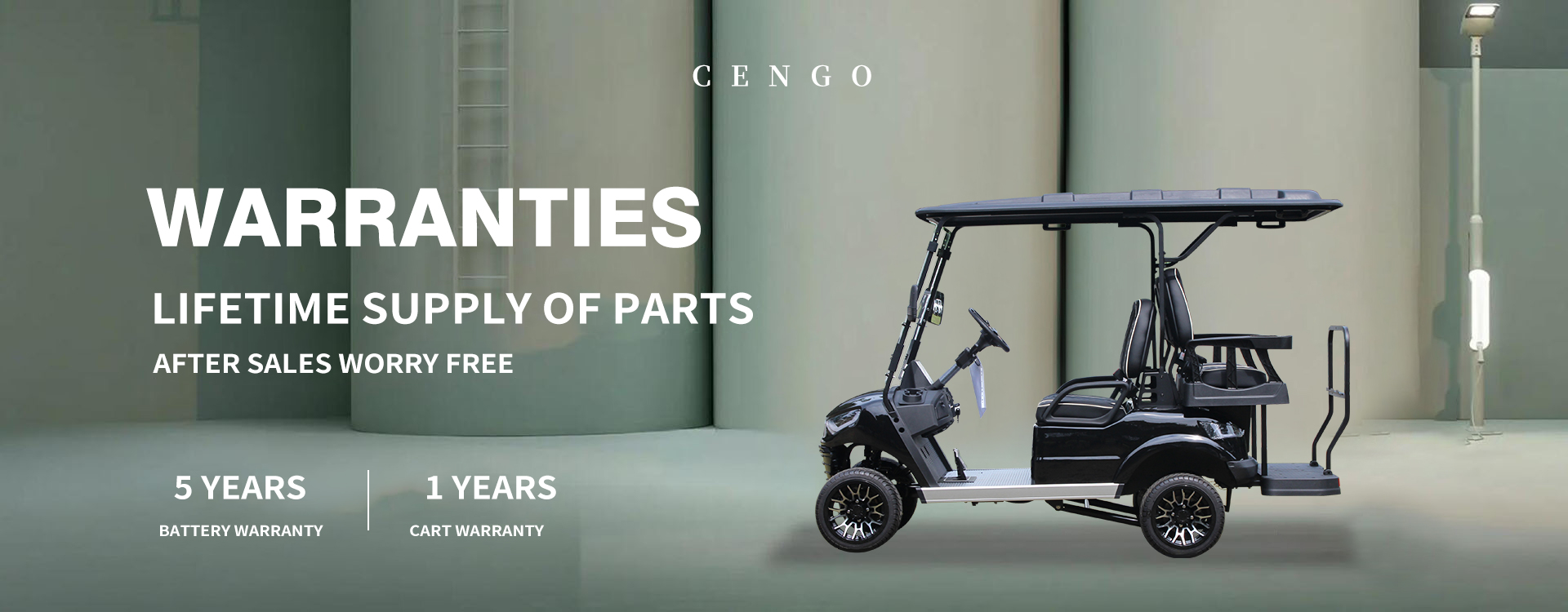
For managers seeking reliable, purpose-built solutions, CENGO provides models and support that align with these rules—the brand’s catalog reflects the pragmatic balance between compact utility and passenger options. A final certainty: sound choices today mean fleets that scale cleanly tomorrow. Practical.