

Opening the comparison — why a seat upgrade deserves attention
Fleet managers and solo drivers alike underestimate how a well-chosen seat changes daily outcomes. From my time riding long stretches along I‑80, the difference between a worn bench and a properly spec’d chair was immediate: less fatigue, fewer stops, and a calmer cab. If you’re browsing options, consider a custom truck seat as more than comfort—it’s an operational decision that affects uptime and driver retention.

Comfort and control: what an upgrade actually fixes
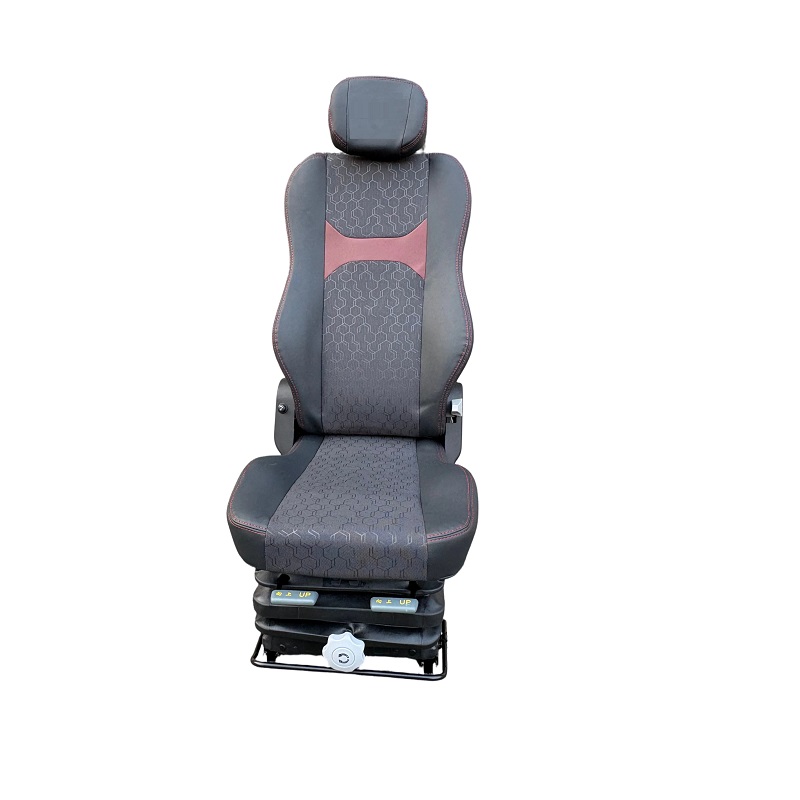
Basic seats solve the problem of sitting; upgraded semi truck seats address vibration, posture, and adjustability. Features like enhanced lumbar support, air suspension, and vibration dampening reduce micro‑fatigue over long hauls. Drivers report clearer focus at the wheel and fewer muscle sore days when their seat includes an adjustable armrest and an ergonomically contoured seat base. The result: steadier driving and a lower chance of on‑road incidents tied to fatigue.
Durability, maintenance, and real costs
Upfront price differences can hide lifecycle benefits. A heavier‑duty seat with reinforced frame and a shock absorber system often outlasts fleet‑grade stock seats by seasons — meaning fewer replacements and less bench time for vehicles in the shop. Maintenance is simpler when parts are modular: replace a cushion or a control valve rather than the entire assembly. That reduces downtime and spreads cost over more miles, which matters when every hour counts at the dock.
Safety and compliance — subtle but measurable
Seat upgrades influence safety beyond comfort. Improved restraint alignment and seat anchoring keep cab ergonomics within recommended ranges, helping drivers maintain proper posture during braking or evasive maneuvers. In practical terms, this can lessen soft‑tissue injuries that lead to lost work days. The change isn’t flashy — it’s measurable in fewer claims and steadier accident‑reporting trends at fleets that invest in ergonomic seating.
Alternatives and the mistakes teams make
Not every pricey option is needed. Common mistakes: buying the fanciest seat because it looks high‑end, skipping test fits with real drivers, or ignoring the value of adjustable controls. Alternative approaches include upgrading suspension components in parallel, or fitting a more supportive cushion on the existing base. But beware — adding a cushion without addressing seat suspension can amplify whole‑body vibration rather than reduce it. Small experiments before fleet‑wide rollouts save money and driver goodwill.
How to evaluate seats — three practical metrics
Choose a seat by testing against three clear criteria: adjustability, measured support, and serviceability. First, adjustability: can drivers of different heights and shapes get the proper lumbar angle and pedal clearance? Second, measured support: does the seat include validated vibration dampening or an air suspension that reduces transmitted shocks? Third, serviceability: are replacement parts available, and is the seat designed for quick field swaps? These metrics help you compare models side‑by‑side and avoid purchases that look good on paper but fail in daily use.
Case study snapshot and human detail
On a week‑long route across I‑80, swapping a basic seat for a model with air suspension and refined lumbar support turned a tired driver into a calmer, more alert teammate. Small change. Big difference — fewer stops for back pain and a steady average speed across the trip. Those anecdotal gains match what many fleets report when they trial new seats: happier drivers, lower absenteeism, and steadier on‑time stats.
Final advisory: three golden rules before you buy
1) Field‑test with the actual driver population for at least a week to capture real operating conditions. 2) Prioritize modular designs with replaceable cushions and accessible controls to minimize shop time. 3) Match seat suspension to vehicle suspension — they must work together to reduce whole‑body vibration. Follow these rules and you’ll avoid the classic trap of swapping aesthetics for utility.
Upgrading seating isn’t a vanity project; it’s a targeted investment in driver health, vehicle uptime, and operational consistency. Source One understands that balance — practical, tested seating solutions that fit real routes and real drivers. —