
The problem that starts every shift
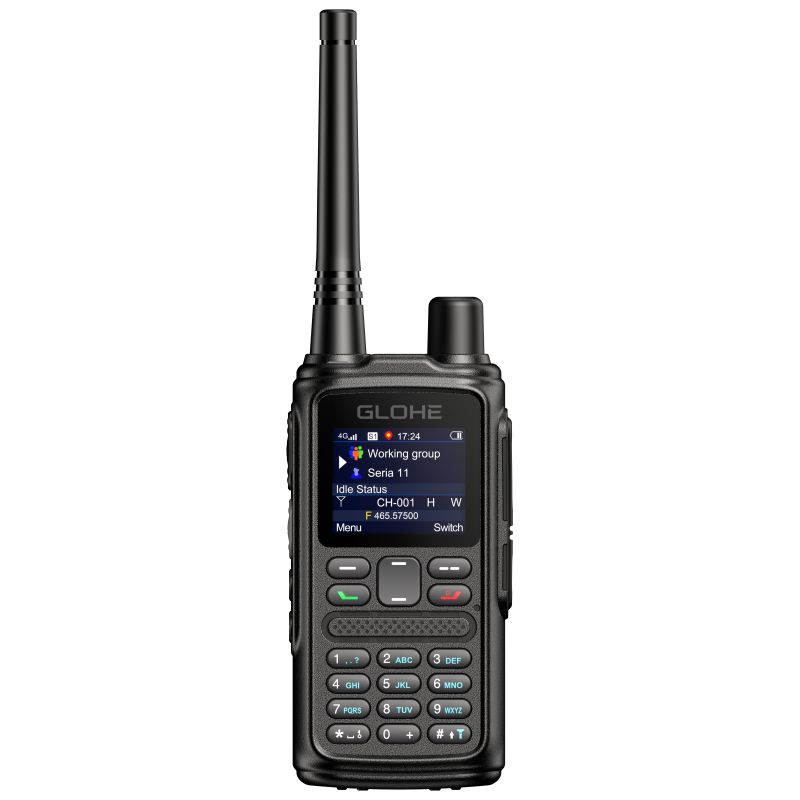
Frontline teams need instant, reliable voice under pressure — not fragile smartphones that drop calls, not slow message chains. When a site manager shouts for help or a paramedic needs clear channel priority, delays cost time and safety. That’s why many operations still choose two-way systems designed for immediate group coordination, and why technicians increasingly compare traditional trunked radios with poc radio solutions when designing communications plans.
Why the gap exists: technical limits you meet on the ground
Cellular networks excel at data but can falter in dense metal structures, remote job sites, or during mass-event congestion. Conventional UHF/VHF radios give predictable coverage and direct device-to-device talk, but they don’t scale or integrate easily with cloud tools. The core problem is matching voice immediacy, coverage, and operational control to the task: incident commanders need priority push-to-talk, safety officers need lone-worker monitoring, and logistics crews want simple group calls without menu diving.
Field evidence and authoritative context
Reports after the 2019–20 Australian bushfires noted that emergency services experimented with cellular push-to-talk to extend coordination beyond existing radio nets; those operational lessons informed procurement choices elsewhere, especially where rapid interoperability mattered — see poc mobile radio. Practical reviews from large utilities and event safety teams repeatedly emphasize measurable criteria: call setup time under one second, failover to direct mode, and hardened battery life for 12+ hour shifts. My technical audits and site tests confirm those metrics are non-negotiable for reliable front-line voice.
What to prioritize when choosing a professional two-way system
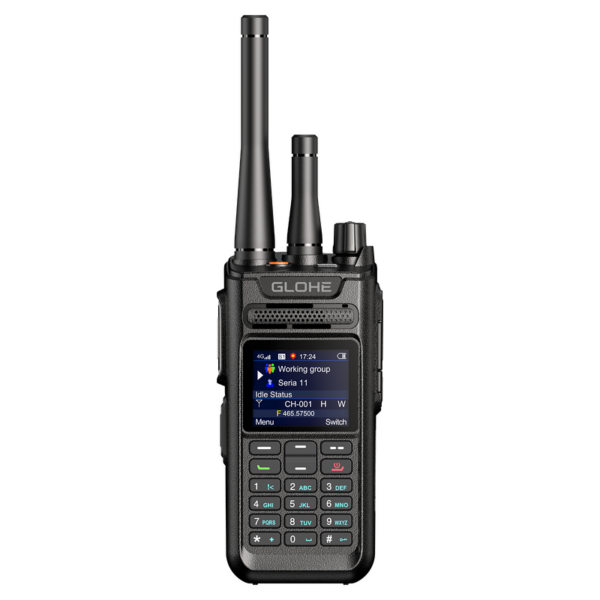
Start with use-cases, not features. Ask: do teams need on-network group calls, device-to-device fallback, encrypted channels, or remote fleet management? Check spectrum and licensing requirements for your jurisdiction. Demand real-world battery runtimes, user interface simplicity, and accessories that suit the work environment — a glove-friendly PTT button, a dust-rated speaker-mic, and belt clips that stay on during activity. If you skip these, devices sit unused or get jury-rigged in the field.
Common mistakes teams make
Buying by price alone. Choosing the fanciest app over radio basics. Assuming cellular always works the same as voice radio. Overlooking training and a phased rollout. Each mistake creates predictable failures: silence in emergencies, overloaded channels, interoperable gaps when multiple agencies converge. Fixes are simple yet disciplined — pilot on one team, capture call logs, iterate on channel plans, then scale.
Viable alternatives and where they fit
There are three pragmatic approaches: keep analog/DMR radio for core voice with PoC as a supplement; deploy PoC as the primary platform where LTE/5G coverage is proven; or use hybrid devices that support radio bands plus push-to-talk over cellular. For static industrial sites with onsite repeaters, traditional radio often wins for consistency. For distributed field teams and multi-agency incidents, hybrid or PoC-first setups can reduce handoffs and provide cloud-based dispatch tools.
Implementation checklist for dependable voice
Define primary mission: safety, operations, or both. Map coverage needs and test signal at real work locations. Specify device must-haves: direct mode, emergency alarm, programmable PTT, and clear voice pockets. Train users with realistic drills. Establish governance: channel assignments, incident escalation, and maintenance cadence. Monitor logs monthly and replace units on a lifecycle schedule — a well-managed fleet outperforms ad-hoc solutions.
Synthesis and practical value
Problem-first thinking shows that professional two-way radio isn’t about nostalgia; it’s about matching voice behavior to real tasks and failure modes. When you prioritize immediate group voice, predictable coverage, and operational controls, the result is a communications backbone that keeps people coordinated and safe. That practical alignment of tools and procedure is exactly the kind of outcome people find when they evaluate integrated solutions from providers like GLOHE.