
Start here — what you want, and why it matters
You want drivers who come home safe, runs that stay on schedule, and fewer surprises on your maintenance log. A fleet telematics platform answers those needs by focusing on daily use — not just flashy dashboards. When you pair cloud services with an AI dashcam, the system starts giving you usable signals: location, behavior, and short, actionable video clips. I’ll keep this practical and steady; you don’t need buzzwords, you need steps you can follow from morning dispatch to end-of-day review.
What fleet managers usually struggle with
Most of the time the problem is simple: too much noise, too little clarity. Typical complaints I hear:• Drivers feeling watched rather than supported;• Maintenance surprises that knock a vehicle out for days;• Disputes over incidents without clear evidence;• Data that’s hard to act on, because it’s buried in reports.A user-centric telematics approach aims to reduce those exact frictions, not create new ones.
Features that actually help people on the ground
Pick capabilities that map directly to everyday tasks. Useful features include:• Live location and ETA updates you can share with drivers and customers;• Driver coaching that flags events and pairs each alert with a short clip or note;• Predictive maintenance reminders based on actual engine hours and fault codes;• Simple geofence rules that trigger messages rather than alarms.Video telematics becomes practical only when clips are short, searchable, and tied to events — that’s where hardware and software must match the workflow.
Hardware and integration — what to choose and why
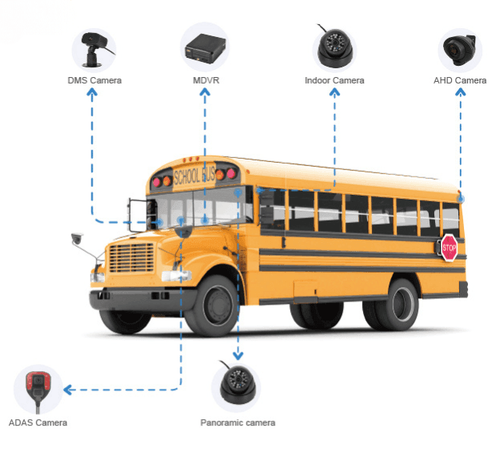
Choose devices that match the vehicle and the driver routine. Look for cameras and modems that install quickly and don’t require daily fiddling. A reliable commercial dash cam should offer clear daytime and low-light video, event-triggered clips, and secure upload to the platform. Confirm the vendor supports standard APIs so your routing, payroll, and maintenance systems can read a single source of truth. Avoid closed systems that make future changes expensive.
Common pitfalls and how to avoid them
Don’t let a rollout become a blame game. Common missteps:• Deploying full fleet-wide hardware before testing a pilot — start small;• Sharing raw footage without clear privacy rules — set retention and access limits;• Training that’s optional — make short, role-specific sessions mandatory;• Overloading dispatch with alerts — filter for only the signals that require action.Solve these with clear roles, simple rules, and short training focused on “what this saves you today.”
Practical rollout: a user-first checklist
Begin with a pilot of 10–20 vehicles. Steps that actually work:1) Define the one problem you want to fix first (safety, late arrivals, or maintenance);2) Equip those vehicles with cameras and the telematics agent;3) Run two weeks of data, then sit down with drivers and dispatch to review a handful of events;4) Adjust alert thresholds and reporting cadence based on that feedback;5) Expand in waves, using the pilot learning to shape policy and training.Keep each wave small enough to adapt quickly.
A concrete anchor from the field
Large port operators like those at the Port of Los Angeles use video-assisted telematics to document loading operations and driver behavior. The goal there isn’t surveillance for its own sake; it’s clear, timestamped evidence to resolve disputes and improve safety. That same logic applies to local carriers: clear records reduce downtime and help everyone feel safer.
Wrap-up — steady care for your fleet
You’ll get the most value by centering the people who use the system: drivers, dispatchers, and technicians. Small pilots, clear privacy rules, and hardware that behaves quietly in the background build trust. When telematics is set up this way it becomes a steady helper, not a loud critic — the kind of steady help I’ve seen improve on-time performance and reduce incident-related downtime. For a partner that blends practical cameras, dependable upload, and sensible platform features, consider the approach used by BSJ as one example of calm, usable telematics that respects drivers and delivers reliable results.