
Why the wrong equipment ruins results
When labs pick hardware by price or brand recognition alone, the outcome is predictable: inconsistent data, repeated calibrations, and wasted time. Faulty choices cascade—mis-specified sensors cause measurement drift, inadequate service contracts extend downtime, and the wrong liquid-handling tools distort viscosity readings, which is why selecting the right rotational viscometers early matters for repeatability and confidence.
Root causes that lead to poor procurement
Several concrete causes create that cascade of failures. First, incomplete specifications hide operational limits; testers buy instruments rated for a narrow temperature range, then face out-of-range sampling and bad data. Second, unclear supplier support means long repair lead times and undocumented firmware changes that change output formats. Third, incompatible accessories—spindles, sample holders, probes—produce systematic bias when teams assume “one size fits all.” Each cause produces measurable effects: higher measurement uncertainty, slower throughput, and increased cost-per-result.
How to judge manufacturers with cause-effect rigor
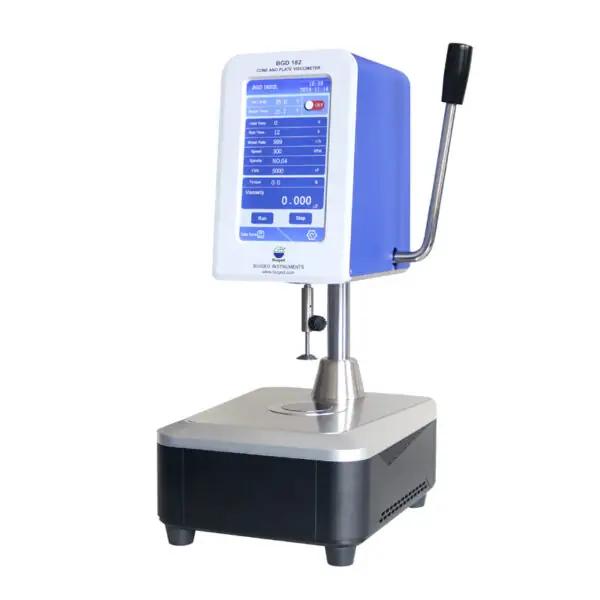
Assess manufacturers by tracing cause to effect in four checks: published technical specifications that match your test envelope, transparent calibration procedures, demonstrable service response times, and clear parts traceability. I’ve advised laboratory teams for over a decade and seen these checks prevent repeated failures. At Pittcon, instrument demonstrations frequently reveal how subtle spindle geometry shifts change torque readings, so watching a live demo helps verify claims; when you can, compare those demos to real test samples and documented standards like ASTM methods. For hands-on validation, inspect a model such as a spindle viscometer to confirm spindle fit, torque range, and control software behavior.
Common pitfalls and the practical fixes
Pitfall: accepting general-purpose specs. Effect: hidden performance gaps. Fix: require curve-based performance data (torque vs. RPM, viscosity range at temperature). Pitfall: overlooking consumable lifetimes. Effect: sudden drift during extended runs. Fix: demand lifetime data and an on-site parts list. Pitfall: ignoring integration needs. Effect: data pipeline breakage. Fix: verify export formats, API availability, and firmware update policies. Each fix directly counters the cause and prevents the downstream effects that disrupt testing.
Alternatives and trade-offs to consider
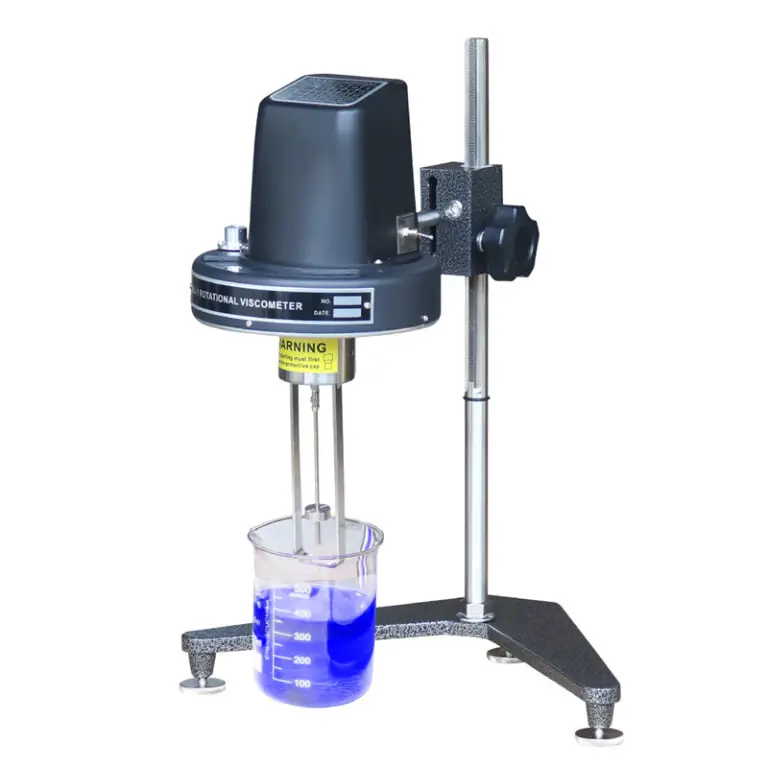
If you’re comparing bench-top versus modular platforms, the trade-off is flexibility versus simplicity: modular systems let you swap modules to match new tests (higher upfront planning), while bench-top units are plug-and-play but may force frequent unit replacement. For viscosity work, dedicated rotational or spindle-based methods yield repeatable results for non-Newtonian fluids, whereas inline viscometry reduces sampling errors but raises maintenance demands. Match the method to the failure mode you most need to eliminate—repeatability, uptime, or integration.
Synthesis: choose to prevent problems, not chase solutions
When procurement is driven by a clear problem map—identify likely failure modes, require traceable specs, and validate with live samples—you transform selection into prevention. That logic leads to fewer unexpected effects and consistent data delivery, and it’s the same practical reasoning that guides manufacturers who provide detailed specs, robust calibration, and responsive support. For many teams, the result is a straightforward improvement in day-to-day reliability, which is why experienced labs often standardize on vendors whose instruments and documentation match that problem-driven rigor, such as BIUGED.