
The problem, in plain terms
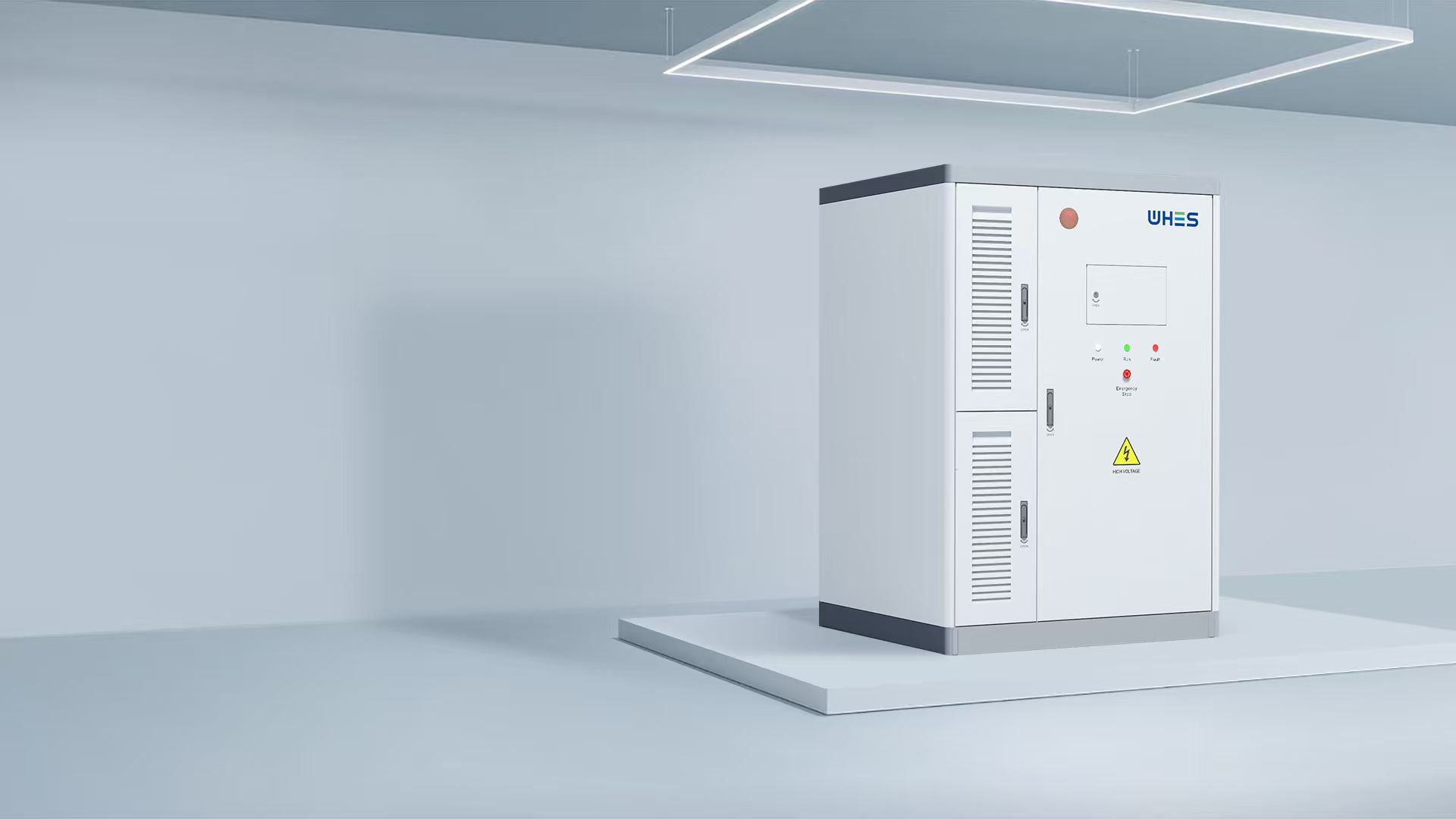
Big lithium‑ion battery projects keep getting held up at the grid edge — long interconnection queues, shifting technical requirements and protracted studies that balloon time and cost. If you’re planning a bulk high‑voltage deployment, those delays matter as much as cell chemistry or capex. That’s why systems that simplify integration — like an all in one energy storage system — can be game changers: they reduce engineering scope, speed commissioning and cut the number of interfaces the network operator needs to vet.
Why this matters for commercial projects
When a developer signs an interconnection agreement, they’re signing up to meet technical specs at the point of common coupling. Miss one condition and you face rework, fines or worse — losing your grid slot. That’s not hypothetical: South Australia’s Hornsdale Power Reserve showed how a properly integrated battery can stabilise frequency and deliver grid services reliably, but it also highlighted the learning curve for large BESS projects elsewhere. For commercial scale solar and storage, pragmatic integration beats clever but fragile designs every time.
Where the delays typically come from
There are a few recurring culprits:
- Network studies and queue position: multiple iterations with the utility add months.
- Protection and control mismatches: relay settings, anti‑islanding schemes and fault ride‑through requirements can be bespoke — and they often change mid‑project.
- Interface complexity: using separate inverter, transformer and PCS vendors increases coordination overhead and testing time.
Those elements interact — change one and you often need to revisit the others. It’s the classic systems problem, not just a component problem.
Design choices that reduce interconnection risk
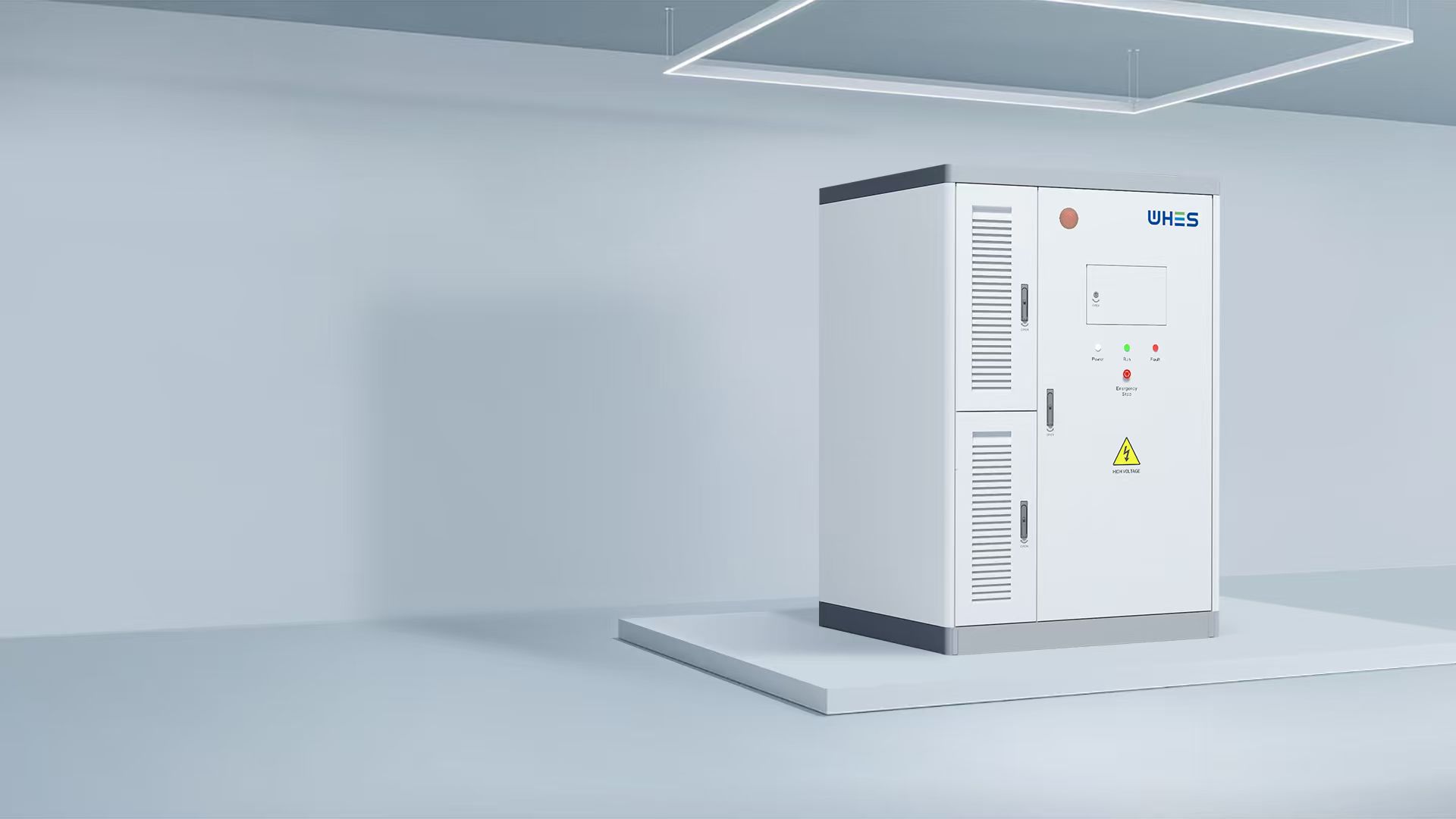
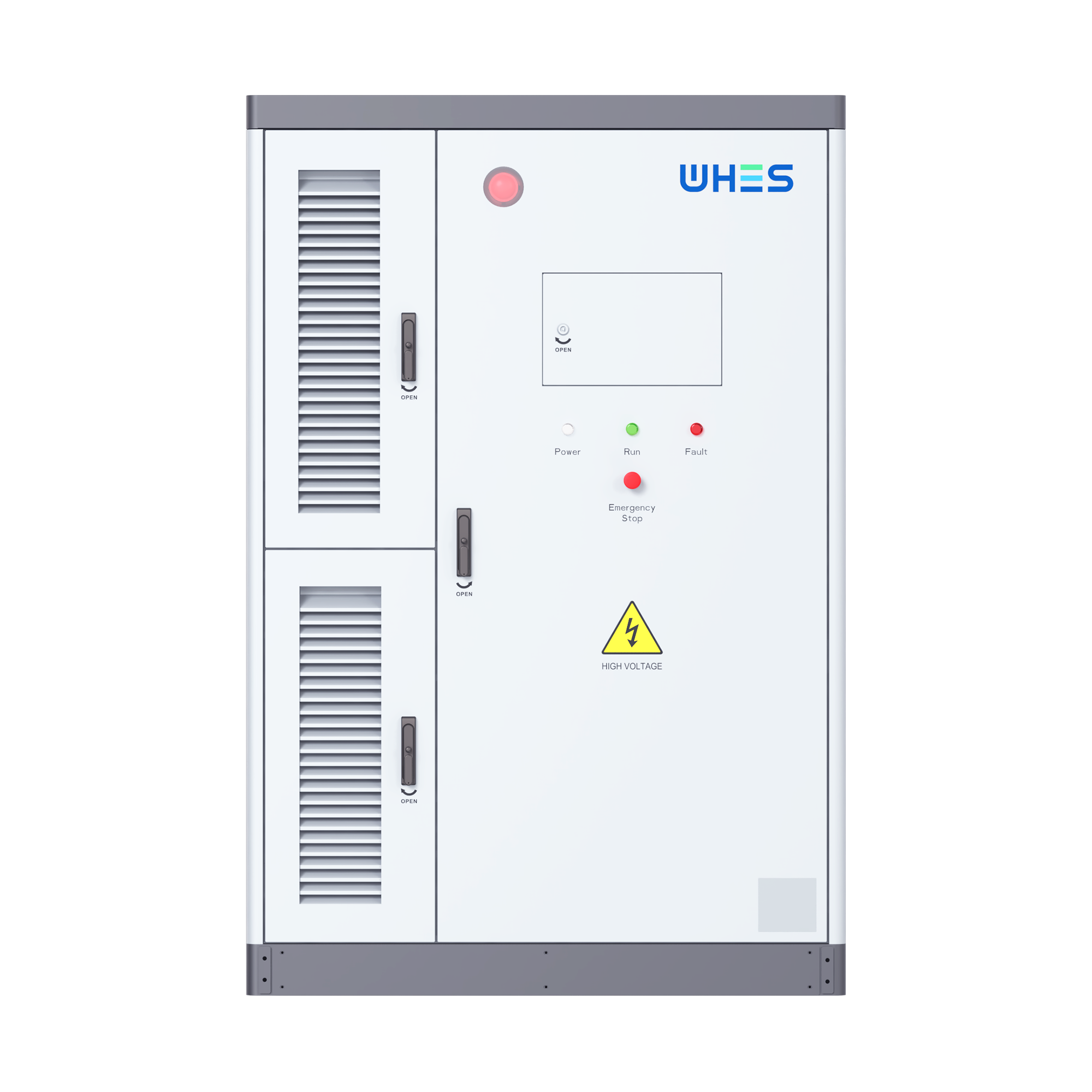
Think in terms of reducing points of failure and streamlining approvals. Practical options include standardising your protection philosophy, using integrated power conversion systems, and designing with conservative short‑circuit and fault‑ride‑through margins. An integrated unit — where inverter, transformer and PCS are pre‑engineered to work together — minimises on‑site tuning and the likelihood of surprise protection trips during commissioning.
Procurement and contracting tips
Buyers often focus on price per kWh and forget the cost of delay. Treat interconnection readiness as a procurement criterion: require vendor documentation for protection settings, factory FAT reports, and demonstrated experience with the specific network operator or region. Where possible, opt for equipment class tested to recognised standards and include staged acceptance milestones tied to utility approvals. Also consider a single‑supplier approach for the initial rollout to reduce the number of change orders and interface checks — this is where modular commercial solar battery storage systems can save weeks in commissioning.
Common engineering pitfalls — and the fixes
Teams routinely underestimate coordination work and overestimate the utility’s bandwidth to process technical changes. Two practical fixes:
- Pre‑emptive studies: run internal protection and stability studies before handing anything to the network. It catches obvious mismatches early.
- Emulated testing: bring your control logic into a hardware‑in‑the‑loop test or FAT so the utility sees a working control scheme before site handover — saves on back‑and‑forth later.
Don’t forget the human side — commissioning teams need clear SOPs and test sheets. A tidy FAT folder beats an argumentative outage window every time.
Balancing cost, schedule and technical risk
Every project is a trade‑off. You can chase the lowest capital cost by sourcing in pieces and taking on integration risk — but that usually triggers longer interconnection studies and higher contingency spend. Alternatively, paying a modest premium for pre‑integrated systems reduces technical unknowns and often shortens the utility approval timeline. That early premium tends to pay back through fewer change orders, faster commercial operation and more predictable performance metrics like availability and state‑of‑charge management.
Practical checklist before you sign an interconnection contract
Use this to avoid the usual traps:
- Confirm point of common coupling (PCC) requirements and queue position in writing.
- Require vendor FAT reports showing protection settings and inverter response to fault scenarios.
- Lock in acceptance tests with the utility and include contingency windows in your schedule.
- Plan for inverter firmware compatibility and spare parts lead times.
Golden rules — three evaluation metrics you can’t ignore
When choosing equipment and partners, measure these three things and you’ll avoid most headaches:
- Interconnection maturity: percentage of past projects the vendor delivered without utility‑driven redesigns. This is the best proxy for how well their control and protection schemes align with network expectations.
- Turnkey integration index: how many core components (inverter, transformer, BMS, PCS) are vendor‑integrated versus supplied separately. Higher integration = fewer interface tests and quicker FATs.
- Time‑to‑commercial metric: historical average from contract signing to energisation, including utility approval time. If a vendor can’t show this reliably, plan for delays.
These aren’t sexy, but they’re measurable and they correlate strongly with on‑site success — which is what matters in the end.
Parting thought — how WHES fits the practical picture
For teams wanting to cut through the interconnection noise, packaged, pre‑engineered solutions reduce scope and paperwork while improving predictability. That’s the logic behind systems that bring inverter, transformer and control together and why experienced developers lean toward vendors who can demonstrate repeatable, utility‑facing commissioning. In short: pick reliability and integration over marginal savings — it saves time, risk and money, and that’s the kind of outcome developers need. WHES. —