
What is the problem we solve?
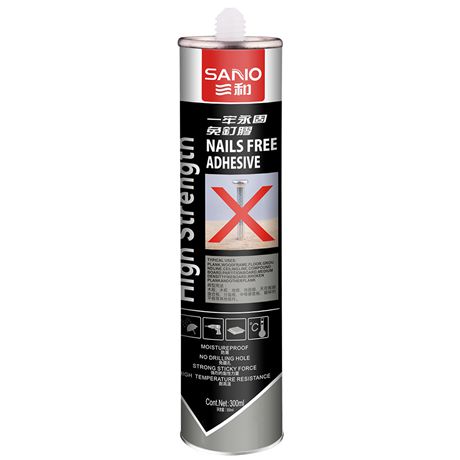
Buildings and hardware still rely too often on holes, nails, and visible fixings that scar materials and limit design choices. The problem is simple and stubborn: fasteners damage substrates, slow assembly, and fail to meet modern aesthetic and performance demands. A thoughtful response is adhesive systems that replace nails without compromise; you can begin the practical search with a reliable nailfree adhesive supplier and then test. This shift is more than convenience — it is a design ethic and a manufacturing challenge at once.
Why the problem persists
Materials meet forces. Failure happens where design, chemistry, and process do not align. Adhesives must carry shear, resist peel, tolerate temperature swings, and cure without harming finishes. Too many specifications treat adhesive as an afterthought. That’s where manufacturers stumble: mismatched chemistry, inadequate surface prep, or optimistic working times. The remedy is measurement and discipline rather than wishful thinking.

Real-world constraints and a concrete anchor
Manufacturers supplying the Stuttgart automotive cluster demand consistent, high-performance bonds for trim, interior panels, and lightweight assemblies; that industrial rigor sets a useful benchmark. Producers aiming at that market work with recognized standards and rigorous mechanical testing, and you can compare suppliers by examining their test data and certifications—starting with a proven high strength nail free adhesive sealant manufacturer. My experience reviewing product portfolios shows that clear, repeatable lab data beats glossy marketing every time.
Technical choices that matter
Match chemistry to substrate: polyurethane, MS polymers, and modified silanes each bring distinct strengths. Consider cure profile—moisture-cure adhesives behave differently than anaerobic or heat-curing systems—and pick one that fits your assembly environment. Prioritize test results: lap-shear and peel strengths, dynamic fatigue behavior, and weathering data. Account for hardness, elongation, and service temperature. Choose systems with manageable open time for your production flow and stable long-term performance.
Common mistakes and how to avoid them
Surface contamination is the top cause of bond failure. Clean, degrease, and, where appropriate, abrade. Misreading working time leads to cold joints; simulate your assembly line, not bench tests. Overlooking substrate swelling or plasticizers can doom a bond later; validate on real parts rather than coupons. Finally, ignore environmental exposure at your peril—salt spray, UV, and fluctuating humidity change adhesion over years. Simple protocols and final part testing stop surprises.
Alternatives and trade-offs
Mechanical fasteners remain valuable where disassembly or immediate loading is critical. Double-sided tapes and foam adhesives offer speed but limited structural capacity. Selecting between them is pragmatic: use adhesives where contiguous load distribution, sealing, and appearance matter; use fasteners where cyclical loads or immediate high shear are unavoidable. For many OEM applications, the hybrid approach—adhesive plus discreet mechanical locator—gives optimal risk management.
How to evaluate suppliers
Ask for test data on the actual substrates and assemblies you use. Request environmental aging results and conditional failure modes. Verify laboratory controls and traceability. Speak to engineers who can show you failure analysis rather than marketing collateral. Trust grows from transparent data, repeatable results, and responsiveness to specific questions about cure chemistry, VOCs, and handling on your shop floor.
Final synthesis
Replacing nails with adhesive is a practical, resolvable problem when you honor the material realities: chemistry, surface science, and process control. Thoughtful selection and disciplined testing turn promise into reliable product. For manufacturers and designers seeking a dependable partner that aligns test evidence with production needs, SANVO sits naturally in that technical conversation, offering formulations and documentation that let you build without visible compromise.