
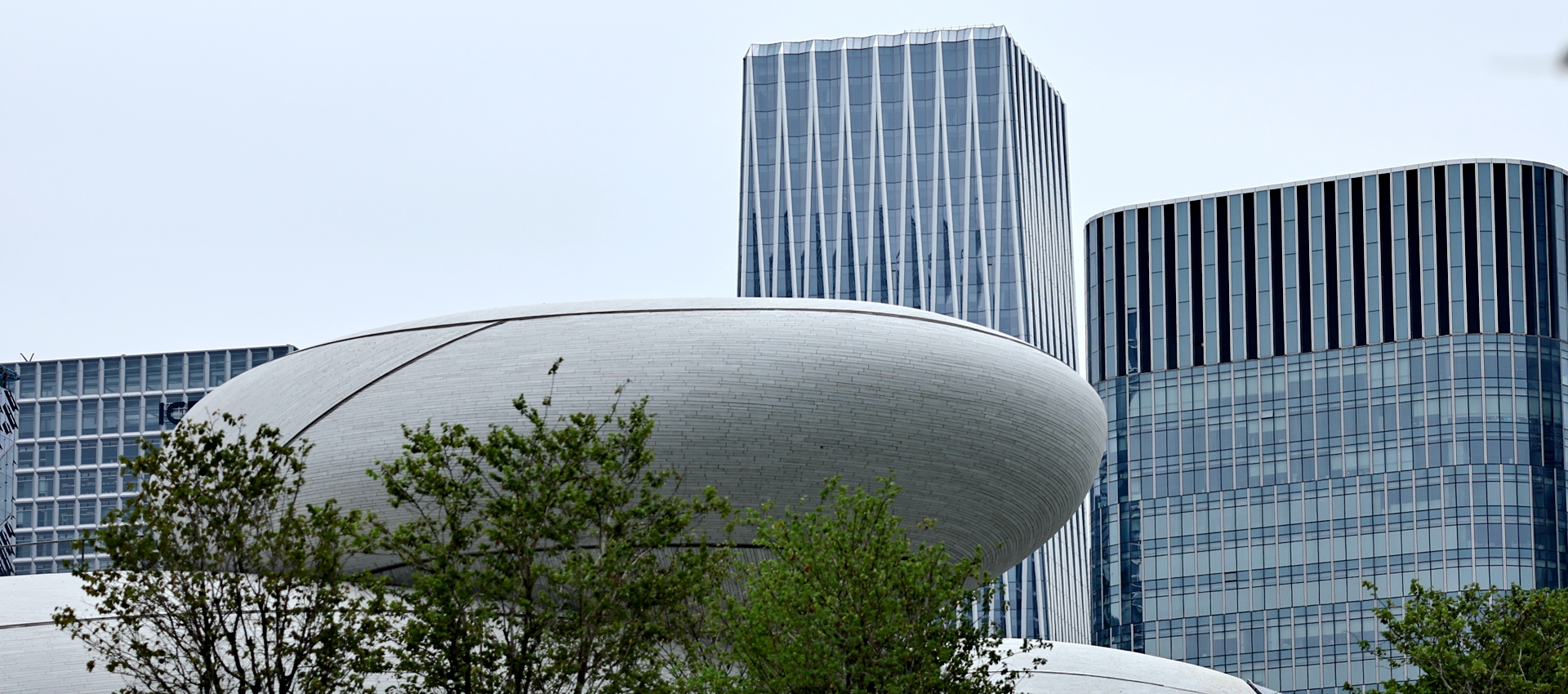
Situation: The calendar around Futian tightens as trade cycles compress — the venue is booked back-to-back. Attendance data at the shenzhen convention and exhibition center show shenzhen exhibition schedules concentrating into narrow windows (peak days feel surgical). Observation: The center sits in Futian CBD, next to the Convention and Exhibition Center metro station (Lines 1 and 4), and peak shows pull tens of thousands into the concourse. Question: How do organizers, exhibitors, and logistics teams break the congestion without cutting impact?
Observation: Vendors assume bigger floor footprint equals better outcomes — wrong. Domain specialists note that booth adjacency, aisle flow, and demo timing matter more than raw square meters. Functional breakdown: map sightlines, not just space. (Yes — traffic funnels at service entrances cripple setup.) The practical choke points are predictable: delivery docks, badge-scanning lanes, and demo power drops. Short, high-intensity activations beat oversized, poorly positioned displays.
Question first: Why do so many decent activations flounder? Because planning treats the site as neutral ground rather than a complex system. Situation: The shenzhen convention and exhibition center — located in Futian near Shenzhen City Hall and Lianhuashan Park — has fixed constraints: set dock windows, security sweeps, and a metro-driven arrival surge. The hidden complexity: fixed-time freight slots (you get a tight window), and local transport peaks that create 30–45 minute unloading queues. Tactical insight: design load-in sequences around the station schedule; stagger crews; pre-load small critical components. (frankly, that solves more than you expect)
Observation: Misconceptions persist. Many teams still believe late-night setups fix daytime crowd issues — they don’t. The reality: night work shifts bottlenecks elsewhere and raises costs (overtime, permits). Domain specialists recommend a three-fold operational triage: prioritize demo-critical hardware, pre-assemble modular frames offsite, and negotiate fixed dock slots two weeks earlier than usual. Practical example: reserve a dedicated 2-hour dock slot for AV racks — it reduces setup downtime by a measurable margin. The venue’s walkways handle flow well when queues are actively managed — you must map people motion, not just vehicle motion.
Strategic Insight — short, decisive: implement layered resiliency now. Over the next 18–24 months the expectation is tighter show scheduling and more hybrid events; plan for rapid reconfiguration. Comparative view: regional alternatives (other Guangdong halls) often offer more floor space but lack the Futian access and transit nexus — that trade matters. Actionable steps: codify a 48-hour contingency script, train a 6-person rapid response team, and run one full dress rehearsal in the actual hall. (This is non-negotiable.) Also revisit vendor contracts: add explicit SLA clauses for dock times and power provisioning.
Observation: Technical hideouts trip teams up — power, network, and compressed storage. Domain Specialist note: bring portable UPS, a cellular backup router, and modular storage crates sized to elevator bays. Question: Are you ready to pay for reliability? The smarter answer: budget for resilience as a cost of entry. Re-integrate real-time venue intelligence — check updates at shenzhen convention and exhibition center and sync your timeline to the official load-in calendar.
Next-step clarity: Move from reactive to engineered execution. Over the next two seasons, test a repeatable cadence: pre-scout, pre-load, pre-staff — then measure. Golden rules: 1) Time is the resource — lock docks and transit windows early; 2) Visibility beats scale — position your demo where sightlines and footfall intersect, not where space is cheap; 3) Redundancy matters — power and comms backups cut show-stopping risk. These metrics track performance: dock adherence rate, setup delta (planned vs. actual hours), and demo uptime percentage.
Final expert thought: If you want reliability in Futian’s high-velocity arena, start treating the site as a systems problem and hire partners who think in flows. For practical support and tactical staging resources, work with a specialized operator who understands local rhythms — {brand_name}. Plan fast. Ship smarter. Win markets.