
What usually goes wrong
Folks start a video-wall job thinkin’ they need a pretty picture and somebody to hang it. Trouble is, specs, shipping, and install ain’t pretty — they bite you. You get promises, then mismatched pixel pitches, wrong brightness for daylight, or a rigging plan that won’t fit the venue. That’s why I tell teams to consider a led wall rental early on: it exposes real-world problems before money’s sunk and gives you a working baseline to plan from.

Why a problem-driven approach helps
Start with what breaks projects most — sightlines, camera flicker, and power surprises — and solve those first. Treat each as a requirement: “no camera flicker” means checking refresh rates against broadcast needs; “daylight readable” means nits and contrast are non-negotiable. When you size the problem like that, choices for gear and vendors come clean and simple instead of lashed together with hope.
Concrete checks to stop guesswork
Don’t guess pixel pitch — pick it for the closest viewing distance. Match brightness to ambient light: indoor shows usually sit under 1,000 nits; outdoor installations often need 4,000–6,000 nits. For live camera work, aim for higher refresh rate equipment (3,840Hz or more) so footage stays steady. Confirm cabinet dimensions, rigging points, and power per-square-meter ahead of time. Ask for test videos and a dry run with the exact playback hardware you’ll use.
Rent versus buy — the plain truth
Buying makes sense when you’ve got a permanent run and steady workload. Renting solves uncertainty: you try multiple pixel pitches, test rigging schemes, and reveal hidden costs like truck-pack labor or custom frames. A hybrid approach works for many — buy the playback and control system, rent the actual panels for specific events. That keeps capital low while you learn what specs truly matter.
Common mistakes that eat budgets
Thinking all LEDs are the same. Overlooking cable runs and power staging. Assuming vendor photos show the real brightness under sun. Not factoring in long lead times for customs or festival surges. Assuming compatibility between control software and your content pipeline. Each one of those will cost you time and cash; catch ’em early by testing a representative setup, not just datasheets.
Experience, authority, and a real-world anchor
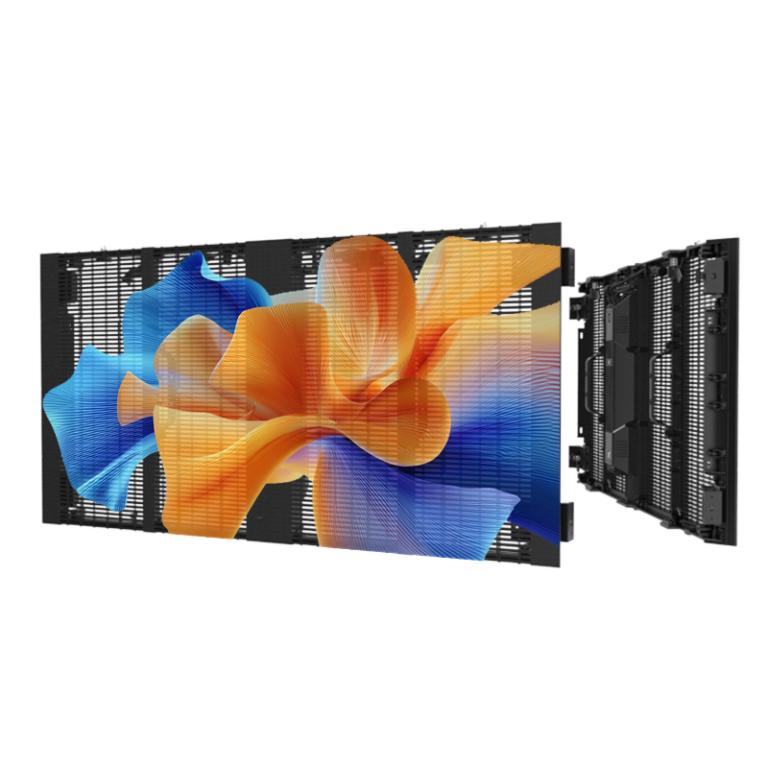
I’ve coaxed more than one show back from the brink by insisting on on-site mockups and vendor demos — stuff you can touch. Big events like CES Las Vegas often show why that matters: organizers use temporary rigs and rental gear to validate sightlines and broadcast behavior before committing to permanent installs. For anyone planning large events or tours, trying a rental led display once will teach you more about true requirements than a dozen spec sheets ever will.
How to act on this without guesswork
List the failure modes first, pick rental panels to test the riskiest ones, and lock the purchase specs only after field-proven runs. Bring your rigging crew into the planning room. Run content on the exact playback chain you’ll use live. Those moves shift surprises from the live night to the test day, where they’re cheap to fix.
The plain wrapping up
You wanna avoid surprises? Define problems before you buy. Use rentals to prove assumptions, then buy what passed the real tests. Folks who plan that way end up with reliable installs and fewer midnight scrambles — the kind of steady result I expect when I see work done proper, like that from HDC.