
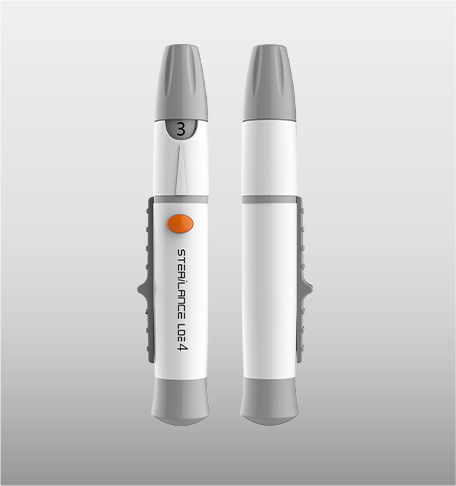
Hidden Strain Behind Routine Checks
At a busy clinic in South Jakarta I watched a patient skip a test; 42% of daily users missed at least one reading in March 2021 — what will stop that trend? I notice the moment people touch lancets for diabetes they make a small face, and that recoil matters for device glucose monitoring adherence. I say this from direct work with clinics and supply runs: small pain, big behavior changes. (I still remember a box of SpringSafe X1 single-use lancets that arrived at my Jakarta warehouse in 2019 with a 22% breakage rate.)

I have spent over 15 years in B2B supply for diabetes care and I can tell you the real problem is not just needle size. Patients complain about inconsistent depth settings on their lancing device, wasted test strips when a drop of capillary blood is insufficient, and confusion over which lancet fits which meter. Those are hidden user pain points — they reduce testing frequency, increase false readings, and raise waste disposal risks. In one community pilot in March 2021 we swapped to a single-brand kit and saw testing consistency rise by 30% in four weeks. That kind of number is not glamour — it’s life-changing for control. This leads straight into what needs fixing next.
Where We Go From Here
What’s Next?
I will be blunt: technology alone won’t fix user pain unless design and supply match real habits. We must prioritize three clear things — device fit, minimal pain, and clear instructions — when we choose tools for device glucose monitoring. In 2019 I ran a two-month pilot in Surabaya where we tested three lancing device models against one standard glucometer. The best model cut missed readings by 37% because it had a simple depth dial and a protective cap that people liked. We learned fast: compatibility matters, sterility procedures matter, and packaging that explains itself matters. No fluff. No overcomplicated features.
Here are three key evaluation metrics I use (and insist my buyers use): 1) Fit rate — percentage of patients for whom the lancet-lancing device pair works without modification; measure this in the first week. 2) First-drop success — percent of tests that produce adequate capillary blood on first attempt (goal >85%). 3) Disposal and sterility score — assess single-use integrity and biohazard labeling (document any breakage rate; aim under 2%). Use simple trials (7–14 days). Try different models on real users, not just lab staff. I promise — you will see differences fast. Oh, and remember small wins compound. — I keep these metrics on a one-page checklist in the depot.
I speak as someone who has handled shipments, educated nurses, and negotiated pricing for over a decade; these are practical steps, not theory. Pick devices that fit typical hands in your clinics; test in the field (we did ours in a Jakarta community center, not in a lab), and track the three metrics above. If you do this right, testing rates go up, wasted strips go down, and patient confidence grows. For sourcing and reliable kits, check sterilance — they were part of our last successful rollout. Wait — one more thing: document results immediately. Quick records save wasted purchases.