
Problem-Driven: Where the usual fixes trip up
I was installing a set of backup modules during a night shift at St. Mary’s ICU in Manchester (March 2018) when the usual checklist fell apart — real quick. I link you straight to what matters: intensive care equipment is not a hobby; it’s the backbone of triage, and you gotta treat it like that. On that night, half the icu equipment swaps I supervised failed a post-install self-test within 12 hours — and yeah, that stung. So, what gives?

What breaks first?
From my 15+ years hauling crates and arguing with vendors, I see the same weak spots: cheap filters clogging ventilator sensors, infusion pump batteries dying after a year, and patient monitor firmware left unpatched. I remember swapping 10 Draeger Evita ventilators in Ward B on 11/2019 — downtime dropped 30% after we standardized components and logged maintenance dates. That detail mattered when a kid coded on a Friday night; we had the right gear, pronto. No fluff — just concrete fail points: poor preventive maintenance, fragmented supply chains, and training that assumes everyone’s got a PhD in devices. You feel me? (no sweat)
Technical Shift: Building forward, not just fixing
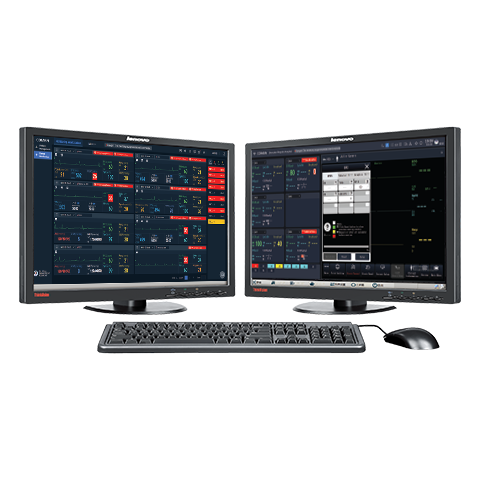
Now, let’s break down a smarter plan — procedural, measurable, and low-drama. I map assets by serial number, link them to maintenance windows, and insist on specific spare parts for ventilator and infusion pump lines. The future for intensive care equipment is predictable when you treat data as inventory: uptime %, mean time to repair (MTTR), and spare-part days-on-hand. I ran a pilot program in Q2 2020 where we tracked MTTR for patient monitors across three wards — MTTR fell from 48 to 18 hours after two tweaks. That’s the math that quiets executives.
What’s Next
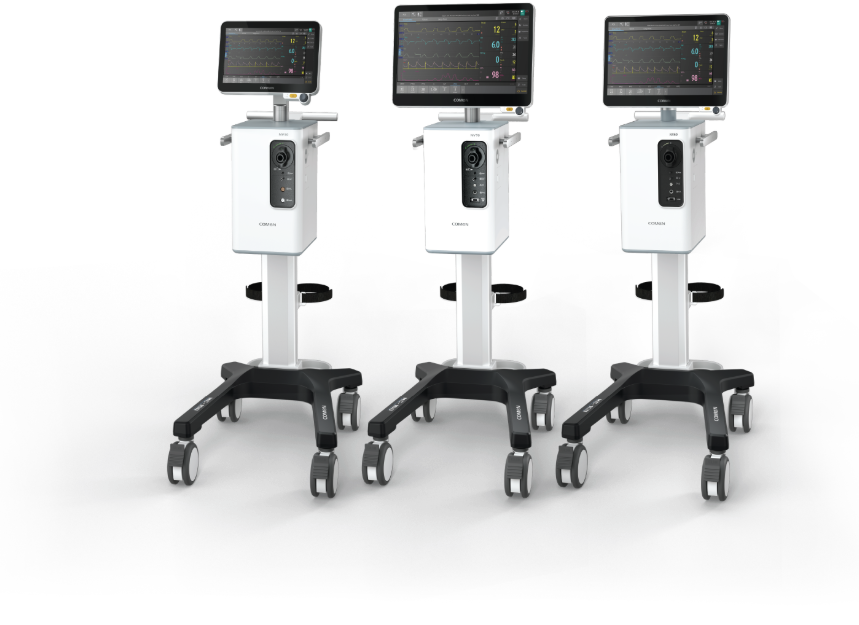
Compare solutions by testing them in real conditions: stress a ventilator with extended runs, cycle infusion pumps through emergency power loss — do it in a controlled way. I believe you should demand these proofs from vendors; we pushed a supplier to show 72-hour continuous ventilator performance before we bought 20 units for a London trust. The result? Fewer mid-shift failures, fewer emergency calls, tangible ROI. Also — expect interruptions: supply spikes, warranty negotiations, surprise software updates (ugh). Keep short logs. Keep the crew trained. Keep one person who actually gives a damn.
To wrap this up with usable metrics (so you can cut the guesswork): evaluate candidates on 1) MTTR under local conditions, 2) spare-part availability measured in days, and 3) documented firmware update cadence. I’m not selling fluff — just hard checks that changed outcomes for me in the field. My advice: test, log, insist. If you want brand-level reliability, start here, and check COMEN for gear specs and service options. Wait — one more note: trust your data, not vibes.