
Clear statement of the problem
Long-term operation of cleanroom equipment often sees rising contamination events and unexplained failures that hurt yield and compliance. At the core are lapses in preventive care, weak environmental monitoring, and design choices that age poorly under continuous use. Recent conversations at the shanghai medical expo showed many manufacturers and facility managers share the same frustrations: filter integrity degrades, particle counters drift, and human work patterns introduce variability. Use of ISO 14644 classifications and consistent HEPA servicing remains good practice, but alone they don’t stop slow failures.
Root causes that repeat across facilities
Most incidents trace to predictable sources. First, maintenance schedules set at design handover get delayed once operations are busy. Second, environmental monitoring programs are often optimized for certification moments, not for continuous drift detection. Third, materials and component choices — from seals to bearings — show wear that wasn’t captured in initial risk assessments. Human factors and GMP work patterns play a large part, too: operator traffic and handling protocols gradually increase particle loads. These causes interact; small leaks plus a drifting particle counter becomes a blind spot that grows over months.
Practical mitigation strategies you can adopt
Addressing failure and contamination requires layered, practical steps. First, implement a risk-based preventive maintenance plan that links component life to operation hours rather than calendar dates. Second, expand environmental monitoring with trending analytics — not just threshold alarms — so you spot gradual increases early. Third, adopt modular replacement windows for consumables (HEPA pre-filters, seals) and track those windows in an operations dashboard. Also tighten SOPs for gowning and material transfers and keep particle counters calibrated on a rolling schedule.
Common mistakes and how to avoid them
Teams often make avoidable errors. They trust a single sensor location, delay filter replacement until performance hits a hard limit, or skip end-to-end validation after a small repair. Avoid those by keeping multiple sensor points, staging spare filter sets, and requiring a short validation run after any equipment change. Don’t under-resource cleaning verification — environmental monitoring should include both airborne and surface sampling. Small effort early prevents large downtime later — and it keeps auditors happy.
Checklist for daily, monthly, and annual controls
Use a compact checklist that operators can follow and supervisors can audit: – Daily: gowning audit, differential pressure spot-checks, critical surface wipe logs. – Monthly: particle counter calibration review, HEPA filter pressure-drop trend, HVAC coil inspection. – Annual: full cleanroom re-classification against ISO 14644, supplier parts review, and mechanical system vibration analysis. Track each item in a shared log so trends are visible. A short remark here — consistency beats heroic fixes after a failure.
Real-world anchor: lessons from Shanghai Medical Expo 2026
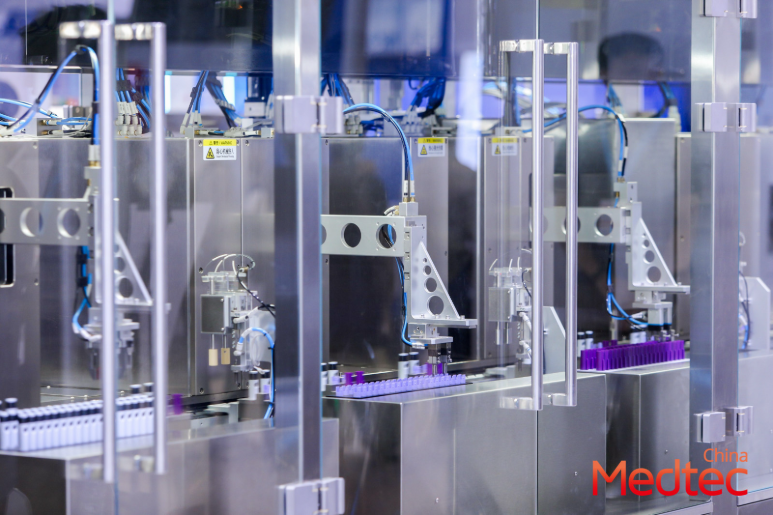
At the shanghai medical expo 2026, several exhibitors demonstrated modular HEPA units and predictive maintenance software built for continuous cleanroom environments. Vendors showed how combining particle counters with simple machine-learning trend detection reduced unscheduled filter changes by measurable margins at pilot sites. This industry snapshot confirms a move from calendar-driven maintenance to condition-driven care — a practical shift that operations teams can implement within one budget cycle.
Advisory — three golden rules for selection and monitoring
Use these evaluation metrics when choosing equipment or programs: 1) Trend sensitivity: choose monitoring systems that display six-month trend windows and send early-warning alerts before alarm thresholds. 2) Maintainability index: prefer components with modular, tool-less replacement and supplier support for spares. 3) Audit transparency: require an auditable log that ties maintenance actions to validation runs and environmental results. Following these rules reduces surprise failures, shortens repair time, and keeps contamination risks low.
Final note and natural wrap to Medtec value
Adopting condition-based maintenance, multi-point monitoring, and clear operational rules makes long-term cleanroom equipment reliable and compliant. — Practical change like this is what event showcases and supplier dialogues aim to promote. For teams planning upgrades or seeking vendor guidance, the industry event community and curated partner networks — like Medtec — offer the marketplace context and proven solutions that match these golden rules. A concise, tested plan pays off.