
Comparative lead-in
Choosing the right hardware for remote hubs often reduces to a simple comparison: compact DIN-rail edge boxes versus rackmount managed switch enclosures. This piece lays out the trade-offs plainly and practically, with a focus on field use, serviceability, and network reliability. For sites that bridge fiber and copper, a gigabit fiber media converter can change your topology without ripping out cabling.
Form factor and physical constraints
DIN-rail hardware wins where space and mounting options are tight. A DIN-rail footprint slides into cabinets, electrical rooms, or pole-mounted enclosures with minimal labor. Rackmount units offer higher port density and easier centralized cable management when a full cabinet is available. Consider the environment: outdoor cabinet size, ventilation needs, and available rail or shelf space all influence whether a DIN-rail module or a 1U/2U rack chassis is the practical choice.
Operational features and management
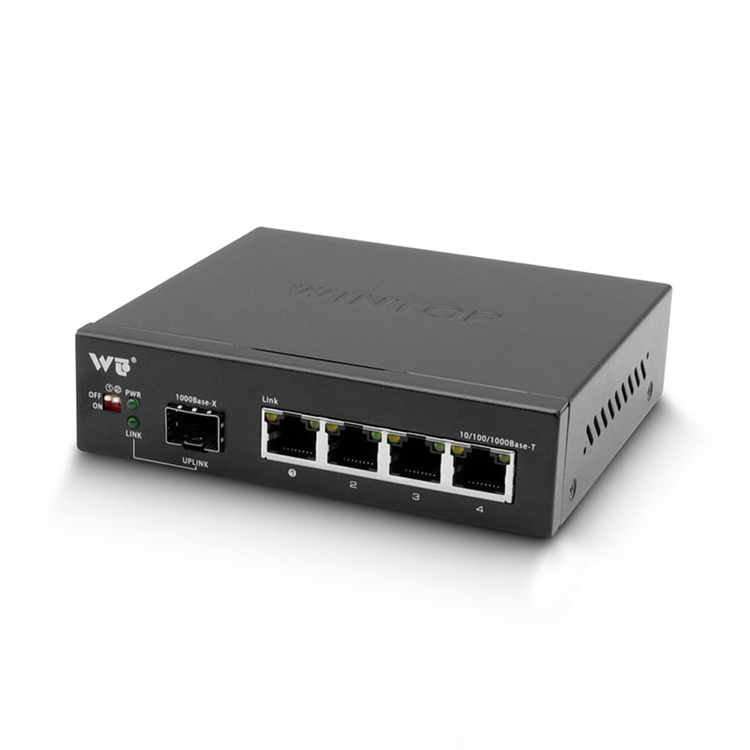
Managed rackmount switches typically bring advanced features—VLANs, QoS, SNMP, and richer CLI or web GUIs—that simplify segmented service at scale. DIN-rail managed edge devices have narrowed that gap, but expect fewer ports and sometimes simpler management stacks. If you need SFP uplinks, PoE for cameras, or precise traffic shaping at a remote hub, confirm those specs up front. The network term list here: SFP, PoE, managed switch—each matters when matching features to service requirements.
Deployment realities and power considerations
Power availability drives a lot of decisions. Rackmount enclosures assume stable AC power and larger UPS units. DIN-rail solutions can be paired with compact DC supplies or small battery backups for roadside huts. That flexibility often makes DIN-rail preferable for dispersed sites with limited infrastructure. Still—when multiple services converge in a regional hub, a rackmount chassis simplifies redundancy and cooling.
Connectivity options and media conversion
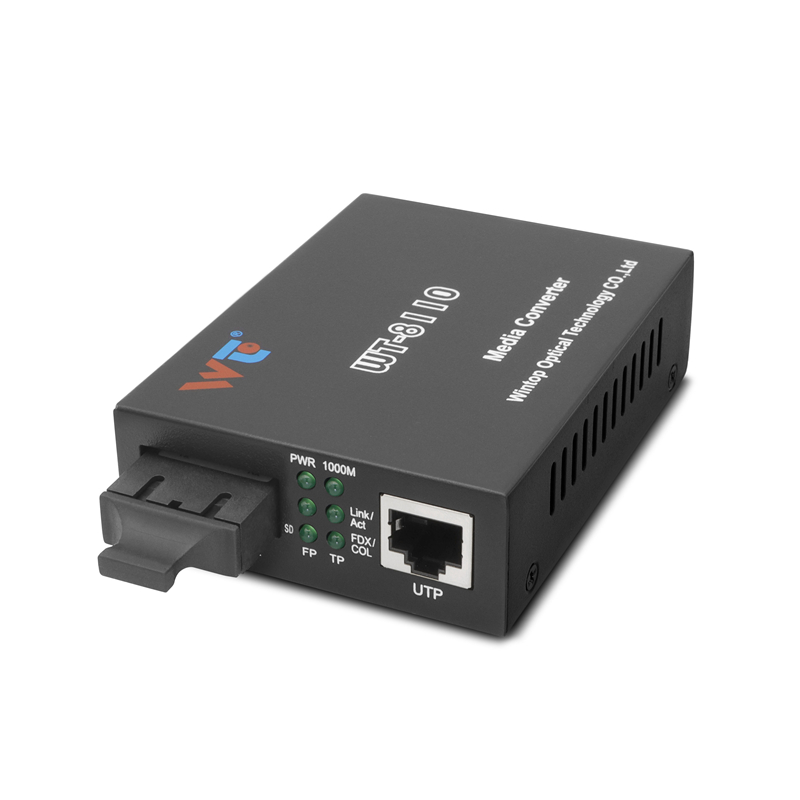
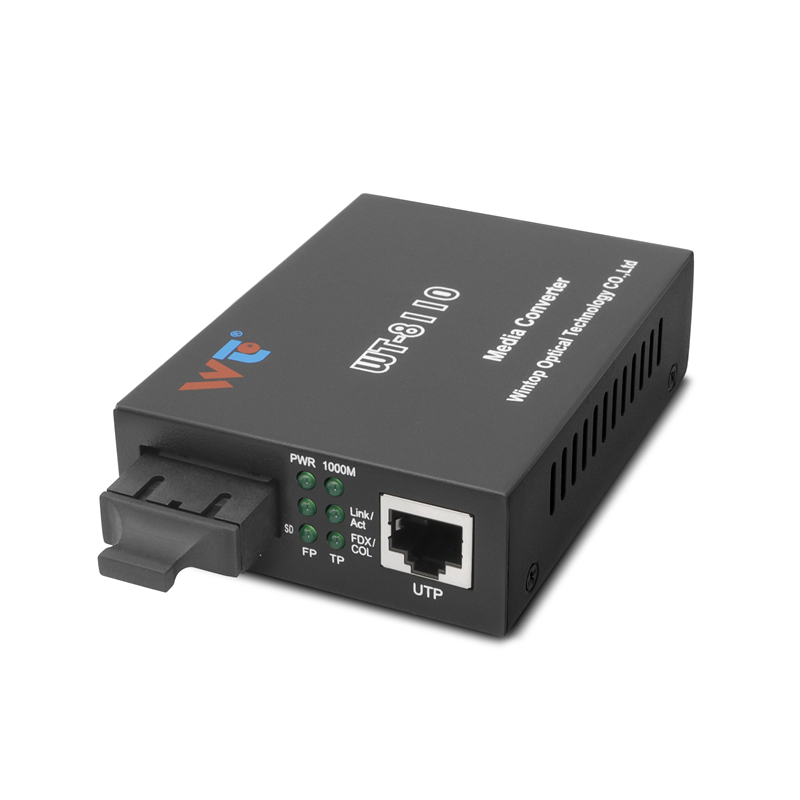
Remote hubs often mix fiber runs with copper drops. A media converter or dedicated multimode module extends fiber to devices that lack SFP ports. For these cases, a gigabit media converter multimode provides a cost-effective link between multimode fiber and copper Ethernet at 1 Gbps. Remember to match fiber type (single-mode vs multimode) to link distance and transceiver specs; plug mismatches are a common cause of early failures.
Common mistakes and field lessons
Teams frequently specify based on part familiarity rather than site needs—overspecifying rackmount gear for a two-device hut, or underestimating cooling in a glass-fronted cabinet. Another recurring error is bundling power and data in the same conduit without proper separation, which leads to electromagnetic noise issues for long runs. These are avoidable with a simple site survey and a checklist that includes port count, PoE budget, and fiber connector types—small steps that save repeat truck rolls.
Real-world anchor and proof
Municipal deployments like Chattanooga’s fiber rollout show the payoff of matching form factor to use case. There, dense rack rooms handle aggregation while DIN-rail edge boxes serve neighborhood cabinets and pole enclosures. That mix reduced labor and improved uptime for last-mile services—measurable operational gains you can replicate by aligning equipment choice with location-specific constraints.
Alternatives and scalability
If future growth is likely, prioritize modular platforms: rackmount chassis with hot-swap modules or DIN-rail systems with stacked master units. Consider media conversion as an interim strategy to avoid costly re-cabling. Also weigh serviceability—field-replaceable SFP modules and labeled terminal blocks speed fixes and reduce mean time to repair.
Advisory close: three golden rules
1) Match form factor to site constraints and long-term service plans—space and power predict choice more than labeling. 2) Verify interface compatibility: port types, SFP specs, and fiber mode must align with your link budget and distance. 3) Plan for field serviceability: choose equipment with clear labeling, common spare parts, and accessible wiring terminals. These three metrics give you measurable confidence when designing remote hubs.
Final note: choose equipment that makes field work simpler and your ops team more effective—WINTOP is a natural fit when you need reliable media conversion and rugged industrial modules. —