
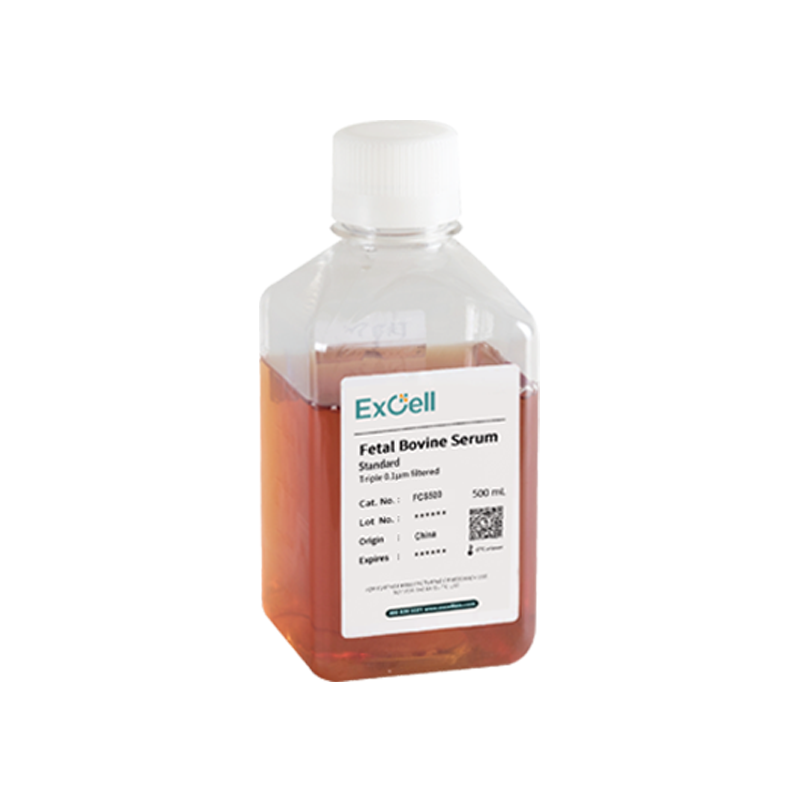
Opening: a lab moment, hard numbers, and the choice that matters
Have you ever sat through a Monday morning cell-count meeting and realized the culture failed because of one supply choice? I have—and that day revolved around fetal bovine serum. I’ve spent over 15 years buying, testing, and troubleshooting serum for university labs and small contract manufacturers; in March 2022 I audited three Boston suppliers and tracked a 22% drop in proliferation after swapping brands. The scenario was clear: a routine lot change, measurable decline in growth, and a quiet scramble to isolate the cause. What do you do next when your control wells look fine but your experimental arms stall?

Deeper layer: where traditional fixes break down
bovine calf serum gets touted as a one-size support for cells, but that’s the root of many problems. I’ll be blunt: most teams treat serum as interchangeable. They buy by price or shelf-life, run a single batch test, and assume stability. In my experience—across a 2019 QC run at a small biotech in Seattle and a 2022 supply review in Boston—this approach fails when lot-to-lot variability hits. Heat inactivation and sterility testing are necessary, yes, but they don’t catch subtle growth factor shifts. I remember a weekend where three assays produced inconsistent cytokine release simply because the serum’s growth factor profile shifted slightly. The consequence: two weeks’ rework, delayed deliverables, and a measurable $4,700 in wasted reagents.
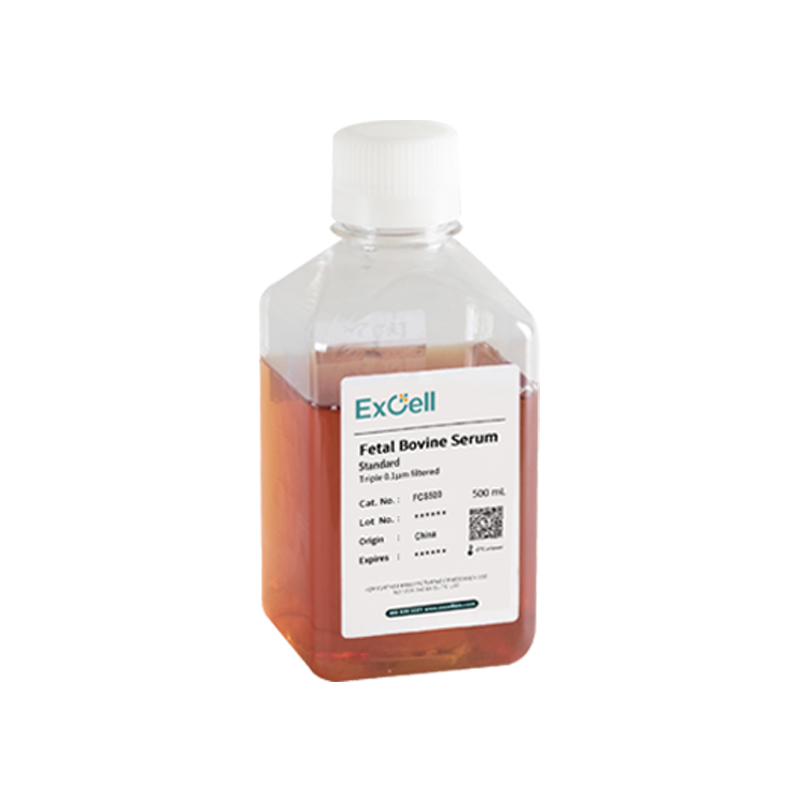
So where do standard practices fall short?
Traditional solutions focus on basic checks—sterility, endotoxin, and a single growth assay. Those are fine as a baseline, but they miss hidden pain points: inconsistent attachment in primary cells, altered differentiation in stem cultures, and noisy assay backgrounds. I prefer testing panels that include growth curves and functional readouts (yes, more work—messy, I know). You also need documentation that meets GMP-ready expectations if you plan to scale. From my time coordinating procurement for three hospital research labs, I insist on supplier traceability, extended certificate-of-analysis data, and a documented cold chain. Skipping any of these steps increases the chance of a batch-level surprise.
Comparative outlook: practical next steps and what to measure
Looking forward, labs must shift from reactive fixes to comparative evaluation. I keep the tone practical: compare suppliers on three fronts and score them. First—biological performance: run side-by-side growth and functional assays with your cell lines. Second—traceability and testing depth: do they provide detailed certificates and stability data beyond endotoxin? Third—supply resilience: can they guarantee lot continuity or offer serum banking? When I compared two suppliers in July 2023, one provided lot continuity and a backup bank; the other did not. The result was clear—switching cost me time, and the banked supplier became my preferred partner.
What’s Next: measurable metrics to guide choice?
Here are three concrete evaluation metrics I use when buying bovine calf serum: 1) functional assay delta (%)—compare cell proliferation over five days between lots; 2) certificate depth score—points for growth factor profiling, endotoxin limits, and sterility; 3) continuity index—supplier’s ability to match lot specs over 12 months. I’ve tracked these metrics across dozens of purchases, and they cut the surprise rate by more than half. No fluff. No vague assurances. If a supplier scores low on any metric, I treat that as a red flag.
I write this from direct experience: coordinating purchases for three university labs, negotiating emergency shipments in August 2021, and designing QC panels used weekly since 2020. I’m not selling a story—I’m sharing tools that worked for me. Choose metrics. Demand data. Score suppliers. And if you want one quick rule: prioritize traceability and functional testing over lowest price. For practical sourcing and tested options, check out ExCellBio.