

Opening the framework: why dispatch matters now
You want fewer surprises on your utility bill. You want predictable performance from your behind-the-meter assets. This playbook shows how to orchestrate commercial battery storage with intent — not guesswork. The framework below turns concepts like peak shaving and state of charge management into repeatable steps so teams can cut demand charges and keep operations tight.
Step 1 — Define the mission: demand-charge reduction as the objective
Start with one clear metric: dollars per month saved on demand charges. That’s your benchmark. Map your site’s peak windows and billing structure. Identify the critical loads and the hours that create your utility’s peak demand reading. Use that intel to set dispatch priorities in the energy management system (EMS). Keep it simple. Pick the battles you can win first.
Step 2 — Build the sensing and control spine
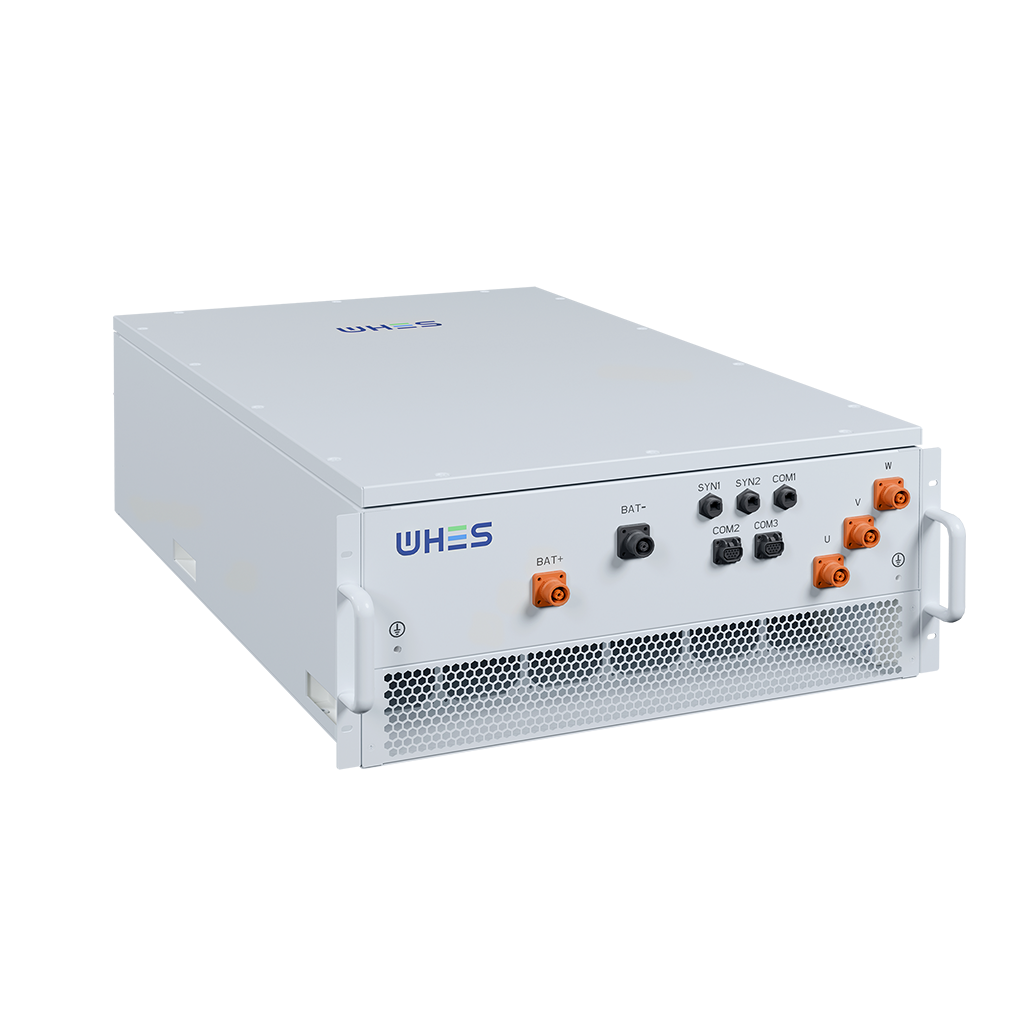
Good dispatch needs real-time visibility. Install a reliable telemetry stack and integrate your inverter and EMS. Monitor instantaneous load, SoC (state of charge), and local generation. Feed that data into the dispatch logic so the battery reacts to real peaks — not assumptions. If communication lags, the battery misses the moment. Fix latency before fancy algorithms.
Step 3 — Choose the right dispatch modes
There are three core modes to master: peak shaving (automated discharge during billing peak), load shifting (move consumption to lower-rate hours), and reserve for outages. Prioritize peak shaving when demand charges dominate. Blend modes when time-of-use and demand charges both matter. Your dispatch algorithm should permit manual override — and automated fallbacks if telemetry fails.
Common mistakes operators make — and quick fixes
Operators often overcommit SoC or ignore inverter clipping. They try to maximize throughput and end up with no headroom when it counts. Another misstep: tuning algorithms using idealized data rather than real load patterns — that costs you on bill day. Quick fixes: enforce minimum reserve SoC, set realistic charge/discharge ramps, and validate with a live test window. — Small tests reveal big mismatches.
Tuning for resilience and reliability
Dispatch shouldn’t just cut costs; it should protect operations. Keep a safety buffer for unexpected spikes or islanding needs. Integrate simple rules: never drop below an agreed reserve SoC during critical production hours; prioritize life-critical circuits if outage mode triggers. Resilience planning also means periodic firmware and algorithm audits so the inverter and EMS remain compatible.
Toolbox: algorithms, hardware, and KPIs
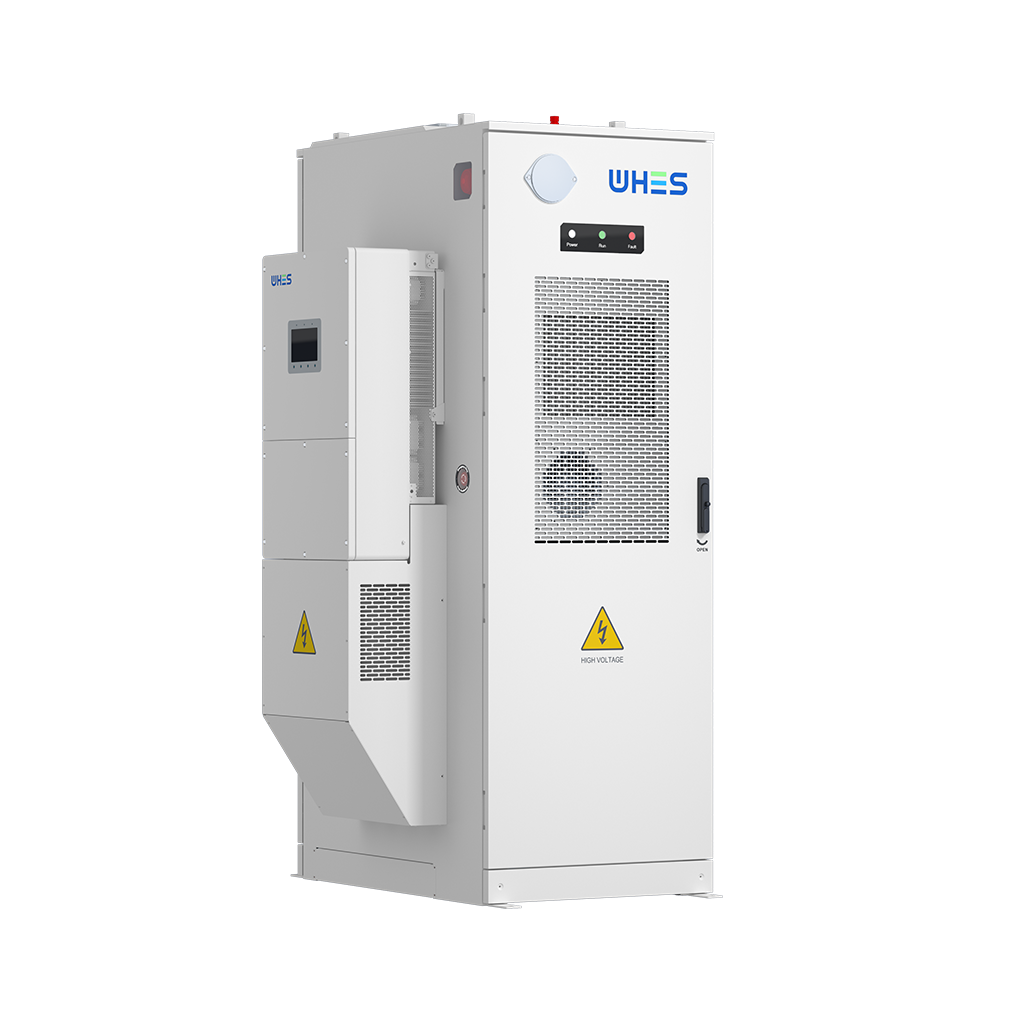
Useful building blocks: a deterministic peak-shaving routine, a predictive load-forecast model, and an overrideable schedule. Hardware must support fast ramp rates and sustained cycles — check inverter specs and battery chemistry. Track KPIs: peak demand reduction (kW), demand charge savings ($), battery throughput (kWh) and cycle life impact. These metrics keep finance and operations aligned.
Real-world anchor: lessons from California demand events
In places like California, summer peak events and steep demand-charge tariffs forced commercial sites to get serious about dispatch logic. Facilities that combined solar with well-tuned battery dispatch saw meaningful bill relief during rolling peaks. That experience shows a pattern: clear objectives + robust EMS + realistic SoC strategies equal measurable wins.
Alternatives and trade-offs
Not every site should push for full peak shaving. Sometimes demand response contracts or curtailment programs offer better returns with less battery cycling. Other times, increasing on-site generation or shifting operational schedules is cheaper. Compare the lifecycle cost: battery degradation vs. recurring savings. If you do pick storage, choose systems that expose dispatch parameters and telemetry — proprietary black boxes slow optimization.
Implementation checklist
– Map billing windows and peak triggers. – Validate telemetry and integrate inverter/EMS. – Set SoC floor and charge/discharge ramps. – Run a live pilot during a representative billing cycle. – Capture KPIs and iterate.
Advisory close: three golden rules for successful dispatch
1) Measure first, automate second: pilot with real loads before wide deployment. 2) Protect headroom: always reserve SoC for unexpected peaks and resilience needs. 3) Track lifecycle costs: include battery degradation and inverter limits in your ROI model.
Do this right and you’ll cut demand charges while preserving uptime — and that’s where expert system design matters. For a practical, field-proven approach to integrating and dispatching commercial battery storage systems, the implementation playbook above maps the steps you need. WHES brings the engineering and operational rigor to make it stick. —