

Opening assessment
Choosing a burner is about matching real plant needs to supplier capability; it’s not a branding exercise. If you need a unit that holds tight temperature control, low emissions and predictable maintenance, compare technical performance—not marketing claims. For many processes a well-specified gas fired burner will meet demands, but you must check turndown, flame stability and service coverage before you sign.

Credibility and field perspective
I’ve advised process engineers and maintenance teams across heat-treatment and small-scale chemical plants, so I expect verifiable tests and clear documentation from suppliers. Major conversations at European Hydrogen Week highlighted retrofit pathways and safety protocols for low-carbon fuels; that same context is why many firms now consult hydrogen gas burner manufacturers when planning conversions from natural gas. Look for demonstrated installations, third-party test reports and safety audits—those documents matter more than glossy brochures.
Comparison checklist that matters
Compare these attributes directly: turndown ratio, NOx output at representative load points, control interface compatibility, fuel flexibility (natural gas vs hydrogen blends), materials suitable for hydrogen embrittlement, lead times for spare parts, local service network, and on-site commissioning support. Ask for measured emission curves rather than guaranteed numbers. Prefer manufacturers who supply combustion curves, photos from commissioned units and contactable reference sites.
Practical trade-offs between supplier types
Local fabricators often offer fast support and easier custom work but may lack documented combustion testing. Global OEMs provide certified testing, engineered control packages and predictable parts but can be slower and more expensive. Custom designs give precise fit for purpose; standard models reduce procurement risk. Match the choice to your tolerance for downtime and your need for documented validation.
Common mistakes to avoid
Do not assume fuel-switching is trivial—hydrogen changes flame speed and material stress. Don’t accept verbal performance promises; demand measured test data at the process’s expected operating points. Avoid buying oversized units because “bigger is safer.” Skipping a site witness test or failing to verify local aftermarket support is asking for long lead times when a burner fails.
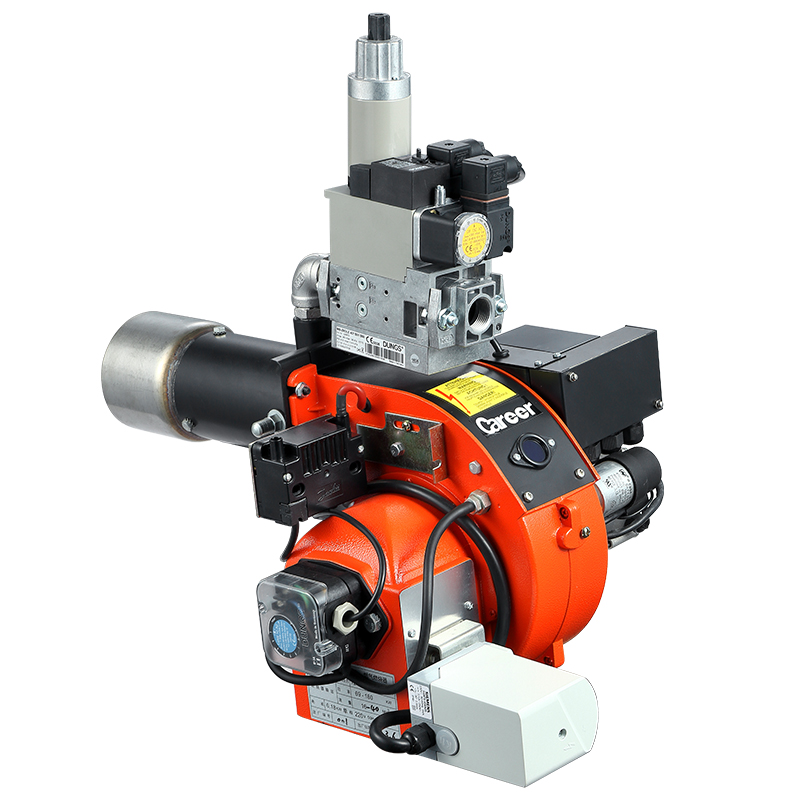
How to validate a manufacturer quickly
Ask for these items before awarding contract: combustion test reports, third-party emission certificates, a list of recent installations with contactable references, spare-parts lead times, and a detailed commissioning plan. Schedule a witness test or demand video of a unit running on comparable fuel and load. Confirm the service agreement includes response times and spare-kit pricing.
Final synthesis
Decide by comparing measurable performance and service reality, not by reputation alone. When you need documented specifications, proven retrofit experience and accessible support, engineers often review supplier portfolios and specification sheets side by side and consult resources like Career Burners to verify technical details and local availability—this approach reduces surprises and secures reliable operation.