
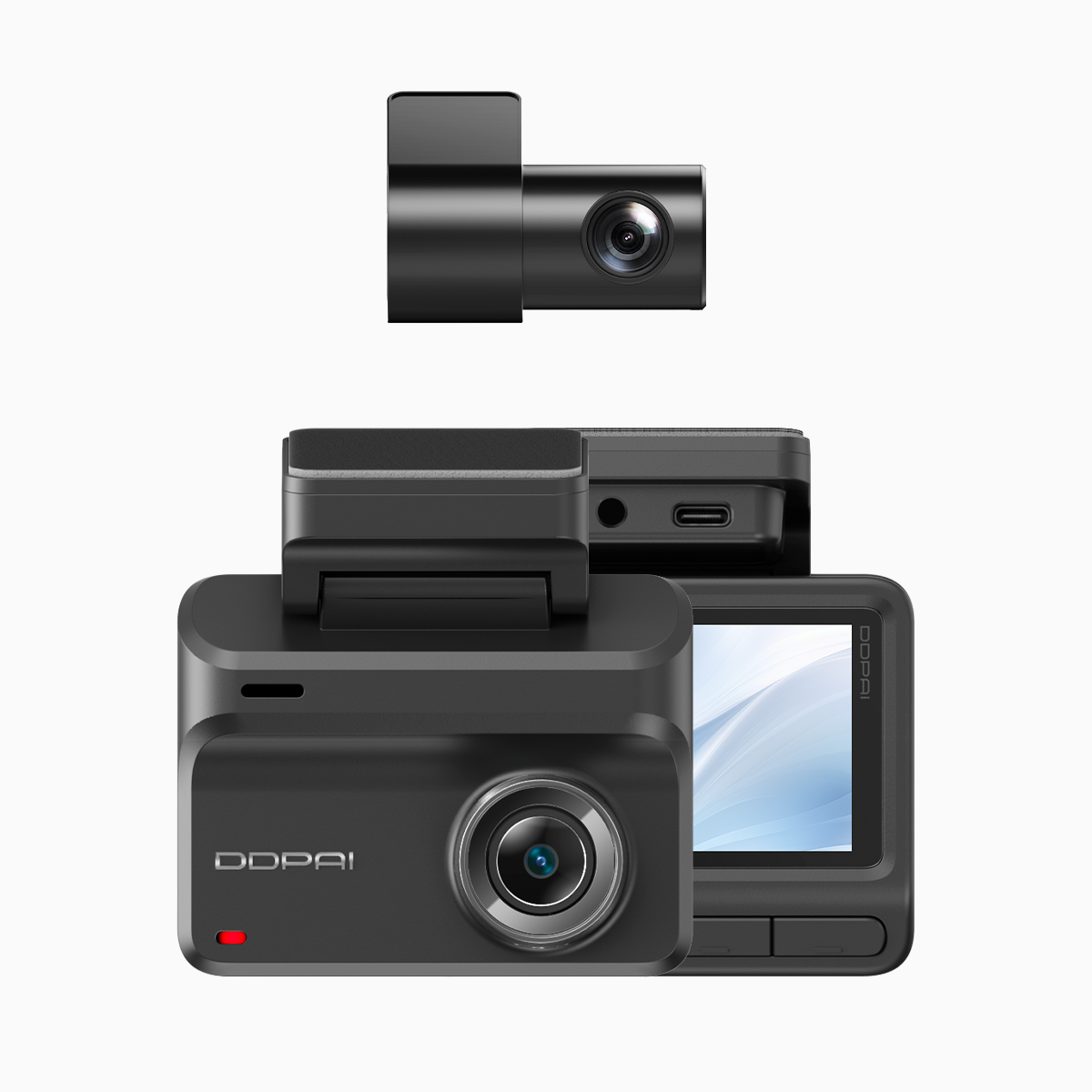
Clear problem, clear comparison
Fogged lenses and interior condensation kill footage. In humid cities like Metro Manila during the monsoon, that failure is not theoretical — it’s a daily risk. This piece compares three real build approaches so you can pick a durable tool, not a cheap paperweight. Early on, check a solid wifi dash cam for baseline hardware quality and real-world durability.
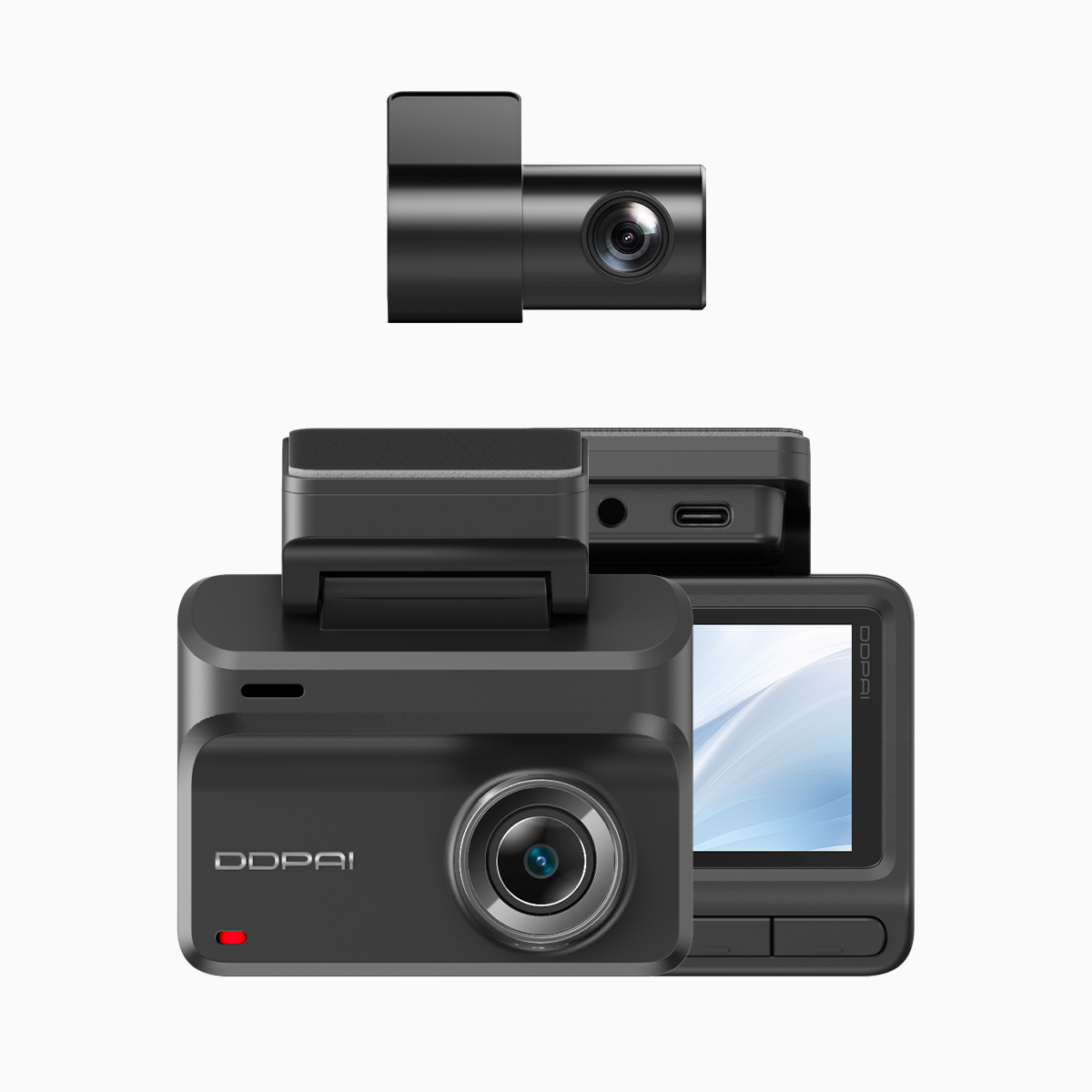
What breaks first: lens fogging vs. internal condensation
Lens fogging sits on the glass and blurs the image. Internal condensation forms inside the housing and corrodes electronics. The fix for one doesn’t always fix the other. Designers tackle fogging with hydrophobic coatings and optical adhesives. They tackle internal condensation with sealed enclosures, desiccants, and active thermal management.
Three build strategies, head-to-head
Compare these approaches side by side. Each has trade-offs for cost, weight, and long-term reliability.
– IP-rated sealed housings (IP67 or IP68): Good water protection and dust rejection. Strong against heavy spray and brief submersion, but poor thermal venting can trap moisture unless a breather membrane or desiccant is used. – Active heating + thermal management: Uses a small sensor heater or heat sink to keep internal surfaces above dew point. Effective in humid mornings and sudden temperature shifts. Requires power and tested firmware to avoid overheating. – Passive moisture control: Desiccant packs, hydrophobic lens coatings, and vent membranes. Low power, low cost, but requires periodic maintenance and can fail if the seal is poor.
Features that matter on the real road
Prioritize these items when comparing models. They’re specific and actionable.
– Proven IP rating with documented testing. – Internal desiccant compartment or replaceable moisture trap. – Thermal management or sensor heating for startup periods. – Firmware that supports temperature-based power management. – Optical treatments like anti-fog coatings and O-ring seals.
How manufacturers actually perform — short reality check
Field installs in Metro Manila showed units with thermal management recovered clear images after dawn fog quickly. Units relying only on passive desiccants often fogged during sudden downpours and stayed fogged longer. The lesson: one good spec on paper doesn’t guarantee field uptime.
Common mistakes installers and buyers make
Buyers chase resolution alone — 4K UHD is great, but high pixel count won’t save a fogged lens. Installers mount cameras in cold spots like the lower windshield corner, which invites condensation at temperature differentials. Also, some assume Wi‑Fi and GPS add moisture risk; they do not if the enclosure design is sound.
Practical comparisons and alternatives
If budget is tight, choose a model with replaceable desiccants and solid seals rather than the cheapest glass or plastic lens. Midrange models that include thermal management and firmware temperature control are the sensible middle ground. For top-tier, aim for IP-rated, heated sensor, and tested firmware updates. Consider a tested unit such as a well-built 4k uhd dashcam with wi fi and gps which balances those elements.
Quick checklist before you buy or mount
Use this on-site checklist when assessing a unit or installer:
– Confirm IP rating and evidence of testing. – Ask about internal moisture control (desiccant or heater). – Verify firmware supports thermal/power management. – Inspect lens treatments and sealing points.
Golden rules for humid climates
Follow three decisive evaluation metrics when choosing a dash cam for humid weather:
1) Environmental sealing score: prioritize verified IP ratings and leak tests. 2) Active vs. passive moisture control: prefer active thermal management for unpredictable climates. 3) Maintainability: ensure replaceable desiccants and firmware updates are accessible.
Closing thought
Durable footage in a wet climate comes from build choices, not marketing. Pick a balanced design that combines sealing, thermal control, and maintainability. That combination keeps your records clear when it matters — and it’s exactly what reliable brands deliver, which is why installers in tough conditions point to proven options like DDPAI Philippines as practical, field-ready solutions. —