
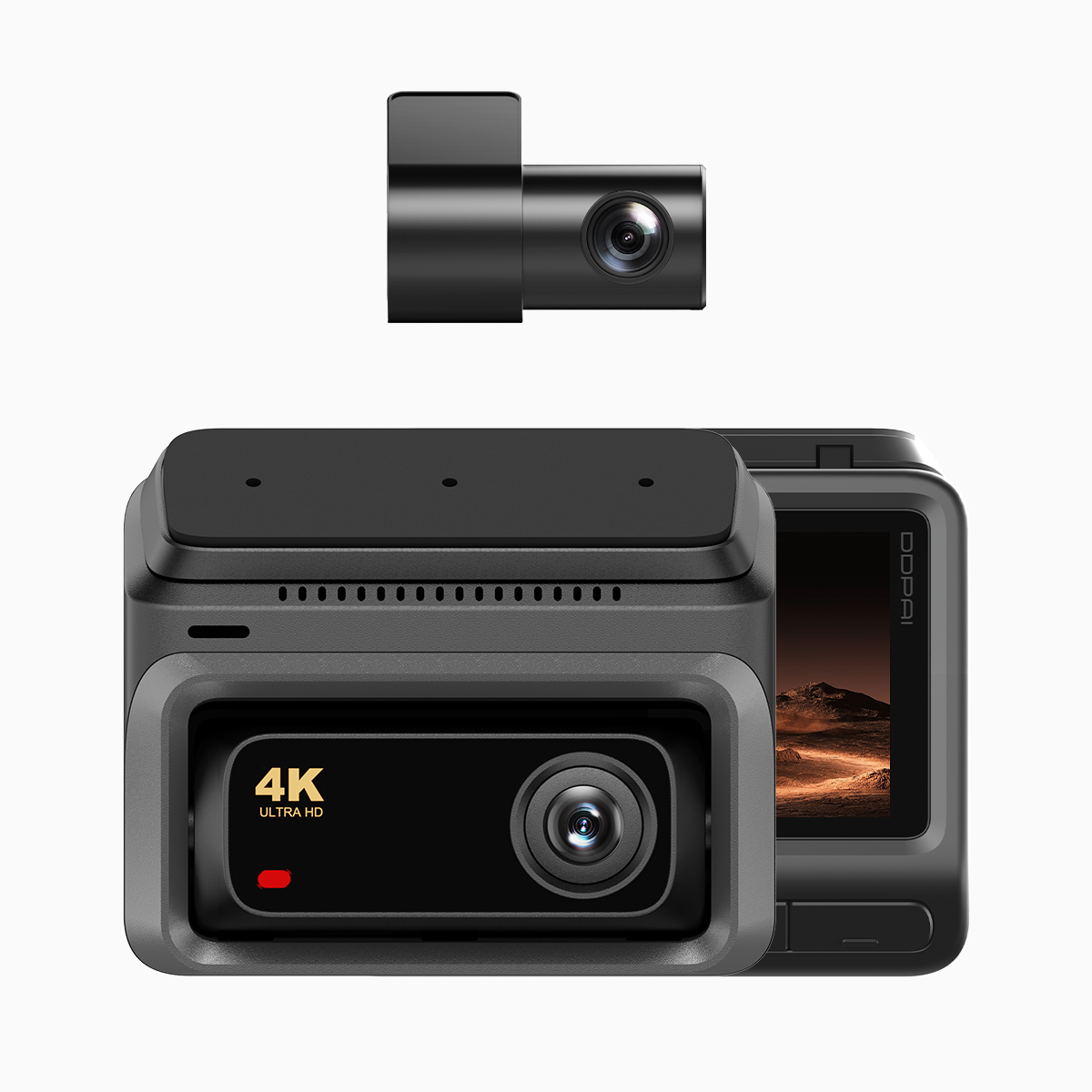
User-first rationale: what a three-lens system gives you
Every driver wants two things: to stay safe and to be protected if something goes wrong. A three-lens solution handles both by recording front, rear and cabin views continuously, and when paired with a 4g dash cam, it adds remote visibility and faster evidence retrieval. In practical terms that means clear footage from multiple angles, GPS logging of where an incident happened, and reduced ambiguity for insurers or traffic authorities—something drivers in Metro Manila and other dense urban centers already rely on during disputes.
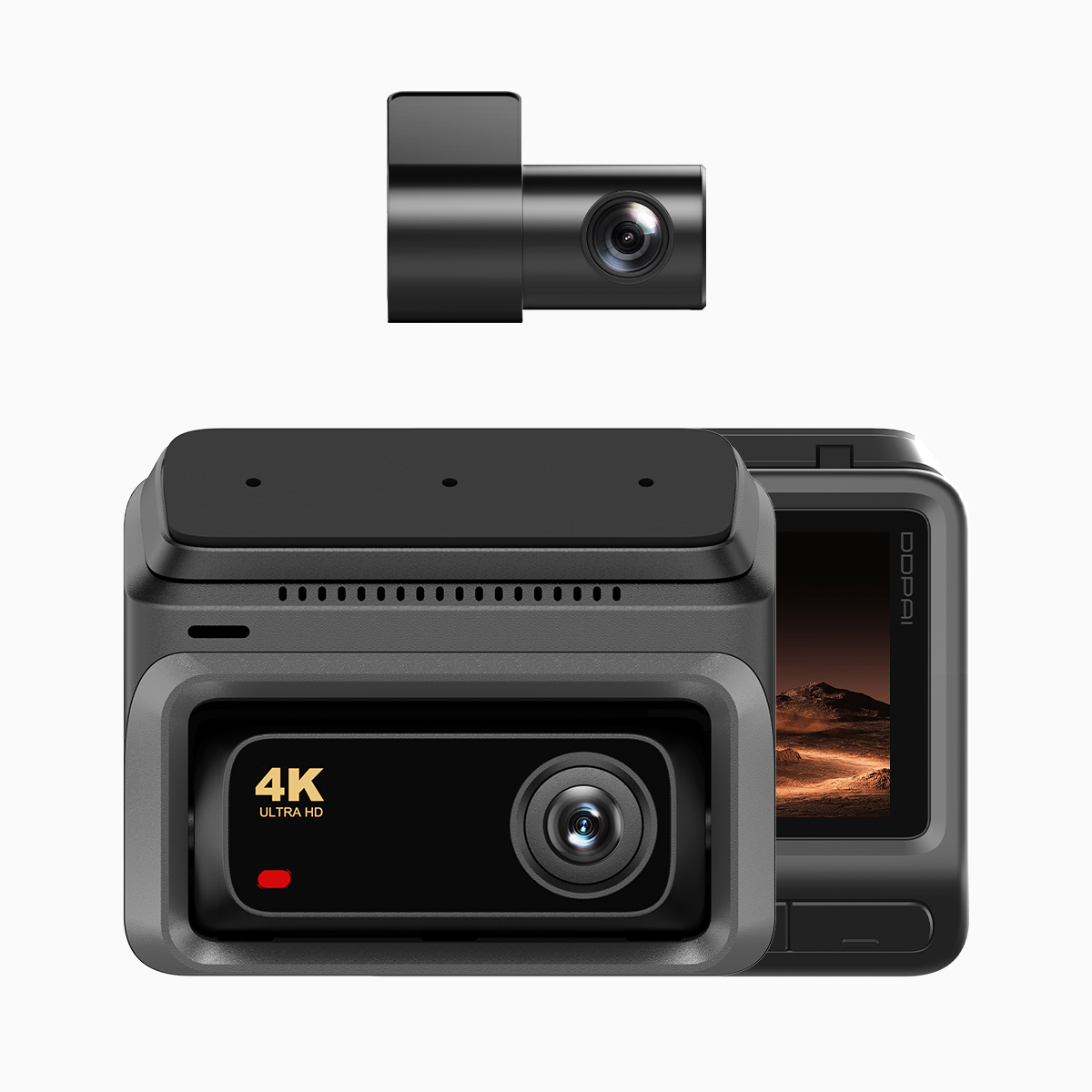
Core benefits explained plainly
Front coverage captures the critical moment of impact; rear coverage shows following vehicles and lane interactions; interior coverage records passenger behavior or circumstantial context. Together they create a timeline that’s hard to dispute. Technical points that matter here include frame rate and bitrate for clarity in low light, loop recording to avoid missed footage, and parking mode that records while the car is off. These are the building blocks that turn raw video into admissible evidence.
Common installation mistakes and how to avoid them
People skip calibration, tuck cables poorly, or choose low-bitrate settings to save space—each is a preventable failure. Install lenses with clean sightlines and secure mounts. Set bitrate and frame rate high enough to capture license plates at speed; lower them only when storage constraints force trade-offs. Keep parking mode active if you park on busy streets; otherwise you lose the very coverage you bought the system for. Small fixes up front stop big headaches later.
Connectivity and real-world workflow
When a device supports 4G/LTE, it becomes more than a recorder: it’s a live witness. Remote upload of incident clips speeds up insurance claims and lets you share evidence instantly with authorities. That’s where a robust 4g car dvr with cloud sync and GPS logging pays off—footage reaches the cloud even if the vehicle is unavailable. For drivers who commute through high-traffic corridors or park on-street overnight, this reduces time spent proving what happened.
Alternatives and when to choose them
Single-lens units are cheaper and fine for casual use, but they leave blind spots. Two-lens setups add rear view but still miss interior context. A three-lens system is the balance most private drivers need for comprehensive coverage. If budget is tight, prioritize front plus either rear or cabin depending on your risk profile—ride-share drivers should favor cabin view, suburban commuters might choose rear. Hardware choices also vary by features: look for devices with dependable parking mode and an easily navigable app.
Design choices that affect real outcomes
Choose sensors and lenses with higher dynamic range for clear night and tunnel footage. Prefer units with reliable loop recording and a decent microSD management routine so files don’t corrupt. Also consider secure mounting and cable routing; a loose camera can ruin evidence. These are small UX decisions that save legal headaches. —They matter more than flashy specs on the box.
Advisory: three golden rules for picking the right 4G dash cam system
1) Prioritize evidence quality: choose a device with high bitrate and a minimum 30 fps front camera to capture license plates crisply. GPS logging should be standard so footage ties to precise location and speed.
2) Confirm continuous protection: look for robust parking mode and reliable loop recording; ensure the system supports stable 4G/LTE upload for off-site backups.
3) Validate workflow: test the app and cloud access flow before committing—fast clip export and easy sharing with insurers or police save hours after an incident.

These rules translate directly into measurable outcomes: clearer evidence, faster claims, and less time spent proving basic facts. For drivers who want a practical, proven option that blends all these needs, DDPAI Philippines ties the hardware and cloud workflow into a cohesive product—clear footage, stable connectivity, and a UX built around getting you back on the road. —Final thought: stay visible, stay documented.