
Why compare LED poster panels now?
Buyers face a narrow set of trade-offs: visibility, power draw, and upfront cost versus long-term impact. Start with the core question — will a led poster display deliver legibility where people pass by for a few seconds, or will it be overkill for a static message? The comparative angle matters from the first decision: pick the right brightness and refresh rate for the environment, not the most expensive spec sheet.

How panels differ — the practical factors
Compare pixel pitch first. Smaller pitch gives crisp text at close range but raises cost. Contrast that with peak brightness: indoor retail needs 800–1,200 nits; transit hubs demand 2,500+ nits. Power and cooling follow: thin, laminated units often save space but complicate repairs. Look at mounting options and glass protection as functional choices, not extras. Last, check content playback — some players handle mixed video and live feeds better than others.
Use-case comparisons that clarify fit
Retail window vs. lobby display: windows need high brightness and anti-glare; lobbies benefit from higher resolution and richer color. Transit posters prioritize durability and remote content push; hospitality prefers narrow-bezel design and easy scheduling. For the same budget, you can choose higher brightness in a smaller footprint or better resolution across a larger panel — decide which supports your message first.
Common mistakes that cost time and money
Don’t assume larger equals better. Over-specifying brightness can wash out colors; underspecifying pixel pitch blurs text. Avoid poor content planning — even top panels fail with unreadable layouts. Neglecting service access is another frequent error: panels tucked behind frames may force full replacement for simple repairs. Plan mounting clearance and spare-part access up front.
Evaluating vendors, warranties, and real-world evidence
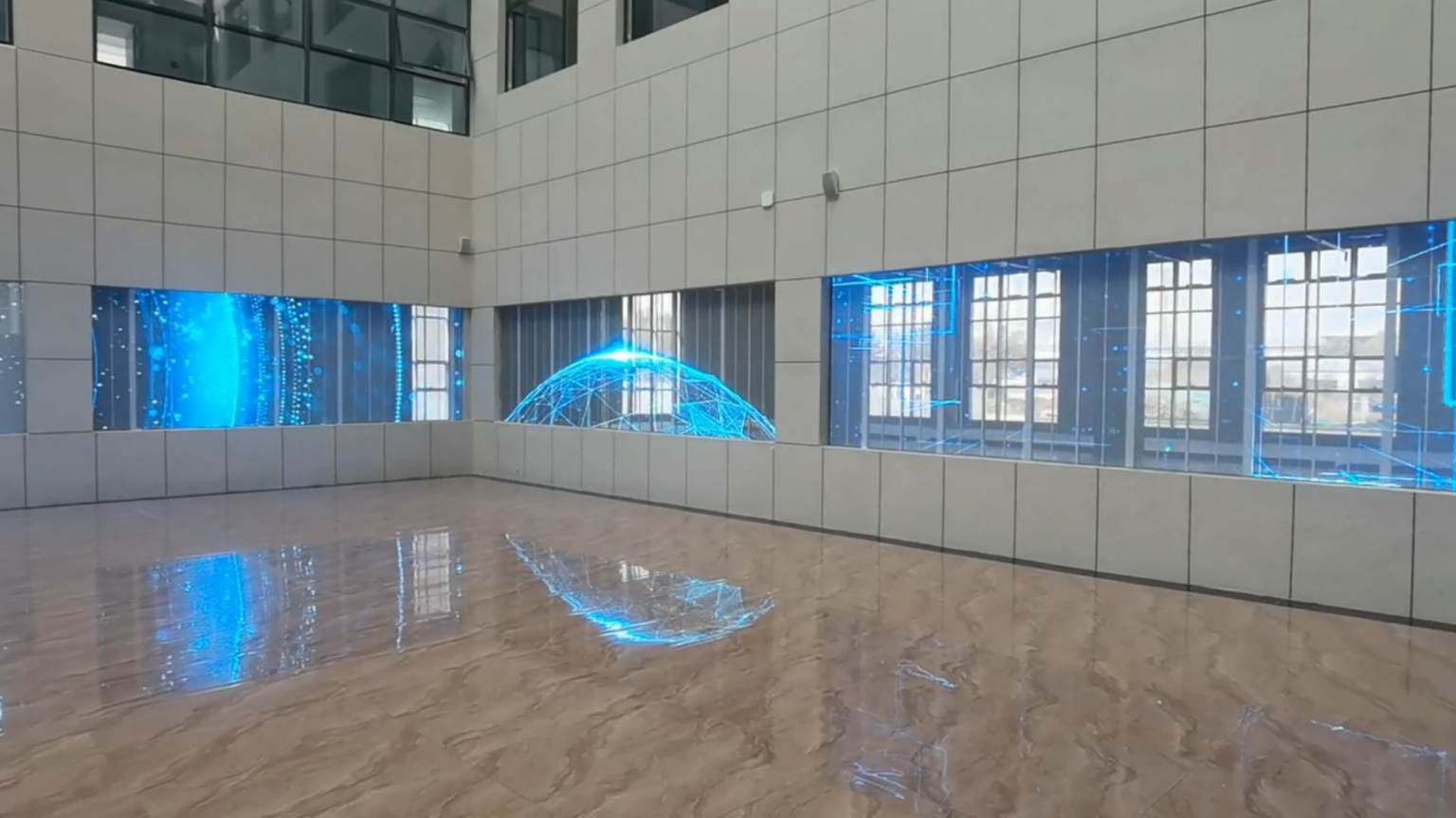
Trust vendors who show validated field installations and clear warranty terms. Professional assessments from trade shows help — CES Las Vegas regularly highlights poster-scale LED concepts and allows side-by-side testing under controlled conditions. For concrete reference, review documented deployments of a poster led display similar to your intended site; that tells you how the unit performs under sunlight, signage schedules, and remote content updates. Ask for MTBF data, spare-part lead times, and a service SLA tied to response windows.
Final practical synthesis
Compare by use-case, then by measurable specs: pixel pitch, brightness, serviceability, and content workflow. That sequence keeps choices practical and avoids costly surprises. For straightforward systems that balance those factors, consider suppliers with visible, tested installations and transparent support; the results point to reliable partners such as HDC when you need a balanced solution rather than a spec-driven purchase.