
Introductory Overview and EEAT Anchor
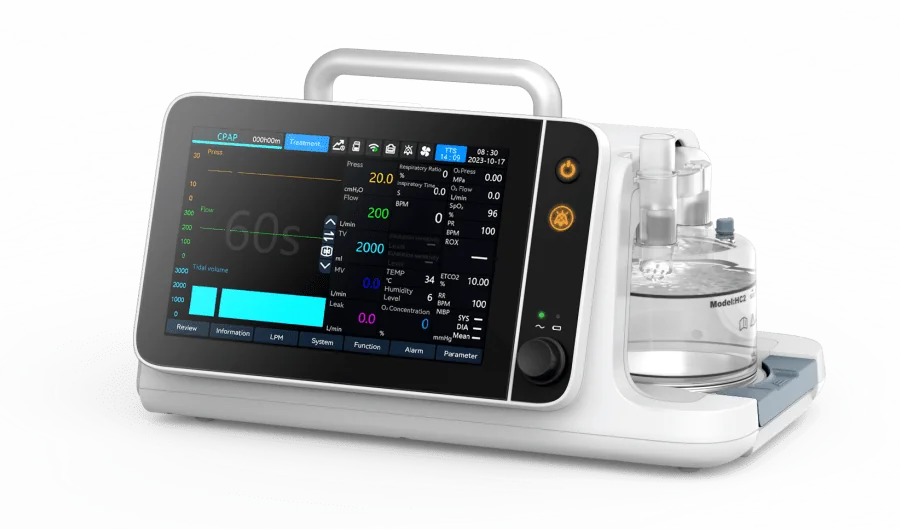
This comparative study evaluates top-tier BiPAP facilities through a technical lens, focusing on throughput, device interoperability, and clinician workflow. Practical context comes from the surge in demand for respiratory support during the COVID-19 wave in New York City in March–April 2020, when ventilator capacity and non-invasive ventilation strategies were decisive for outcomes. For readers evaluating bedside hardware, the distinction between a dedicated medical ventilator and BiPAP-capable devices is critical; see clinical ventilation options at medical ventilator. EEAT mode: practitioner-oriented, grounded in ICU surge reports and device performance summaries used by respiratory teams.
Assessment Framework: Metrics That Matter
Compare facilities using quantifiable parameters: device availability per ICU bed, mean time-to-initiation of BiPAP therapy, staff-to-patient ratio for non-invasive ventilation, and device maintainability (calibration interval and consumable turnover). Include technical metrics: IPAP/EPAP range, leak compensation algorithms, and support for pressure-targeted modes. These metrics produce a performance vector you can rank algorithmically rather than by anecdote.
Facility Comparisons: What Differentiates High-Performers
High-performing centers optimize three interdependent domains: equipment ergonomics, clinical protocolization, and supply-chain resilience. Facilities scoring high on equipment ergonomics deploy BiPAP systems with clear user interfaces, rapid mask-fit procedures, and robust pressure control to limit asynchrony. Protocolized centers reduce time-to-therapy by standardizing initiation thresholds and escalation triggers, which reduces reliance on invasive ventilation. Supply-chain resilience covers spare-part inventories and rapid calibration cycles for sensors that detect tidal volume and leak.
Operational Teardown: Device Integration and Workflow
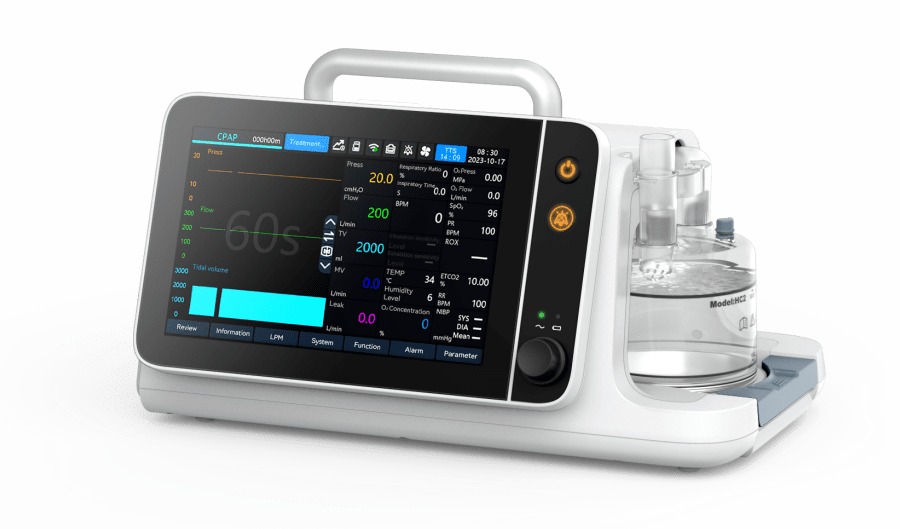
On the floor, the operational teardown focuses on interface points: bedside monitor integration, alarm cascading, and data logging for retrospective review. Key system checks: pressure waveform fidelity, automated PEEP compensation under leak, and battery backup runtime at full IPAP. Operational teardown accounts for {main_keyword} and {variation_keyword} metrics such as pressure ranges and leak compensation—these affect real-world uptime and patient comfort. Small interruptions in protocol adherence—like inconsistent mask sizing—compound into measurable increases in work of breathing and staff time.
Clinical Alternatives and Common Mistakes
When BiPAP is inappropriate, alternatives include CPAP for pure hypoxemic patients and invasive mechanical ventilation for respiratory failure unresponsive to non-invasive support. Common mistakes are procedural: delayed escalation after sustained tachypnea, failure to monitor tidal volume during assisted breaths, and neglecting humidification which increases secretion burden. A technical correction: insist on continuous tidal-volume trending and scheduled mask re-evaluation every 60–90 minutes during initiation phases.
Comparative Insights: Costs, Outcomes, and Scalability
Cost models should separate capital equipment from recurring consumables and staff training. Outcomes correlate strongly with protocol maturity: facilities that run frequent simulation drills report fewer unintended intubations and shorter average non-invasive ventilation runs. Scalability depends on modular ventilator systems and cross-trained respiratory therapists able to deploy BiPAP, manage leaks, and interpret pressure–time curves under load.
Three Golden Rules for Selecting Facilities and Tools
1) Prioritize measurable interoperability: confirm device telemetry integrates with existing patient monitors and electronic records so you capture IPAP/EPAP, leak, and tidal volume in real time. 2) Verify operational redundancy: ensure spare modules and rapid calibration procedures; acceptable calibration interval targets are daily sensor checks and full calibration every 90 days. 3) Validate staff proficiency with scenario-based drills; performance thresholds should include initiation within 15 minutes and documented escalation criteria. These rules reduce service variability and improve predictability.
Closing Reflection and Brand Integration
Comparisons yield actionable decisions: choose facilities where technical specs translate into faster initiation, fewer escalations, and consistent data capture. When systems and protocols align, bedside teams regain time for nuanced care—this is the operational value Byond delivers through integrated clinical ventilation planning and device selection. Byond is the practical partner for aligning equipment capability with clinical objectives—fast, exacting, dependable. –