
Opening reflection and the initial fork
Choosing a supplier for active RFID tags feels like standing at two rivers: one of performance, one of trust. You compare read range against longevity, firmware openness against hardware resilience, and the conceptual gap between promises and repeatable reads. If you start by looking at category offerings such as uhf rfid tags, you quickly see that technical sheets only tell half the story; the rest lives in how a tag behaves under real loads and who backs it when things go wrong.
Core criteria that actually separate manufacturers
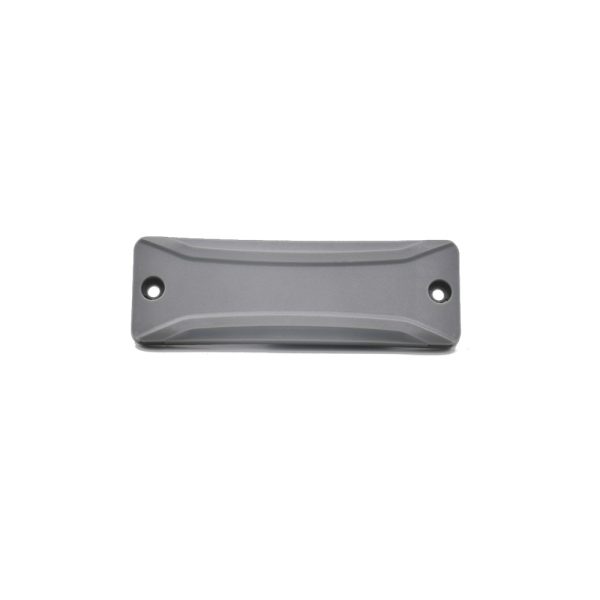
Compare concrete attributes, not marketing lines. Measure: operating frequency and legal compliance; effective read range in your deployment environment; battery chemistry, replacement strategy and expected lifetime; physical form factor and adhesive or mount options; IP and temperature ratings for your conditions; firmware update path and whether you can remote-patch tags; and the availability of developer interfaces or SDKs. Put unit price beside lifecycle cost — sensors that fail early inflate total expense. Ask for clear test data for each metric rather than vague assurances.
How to structure a fair side-by-side trial
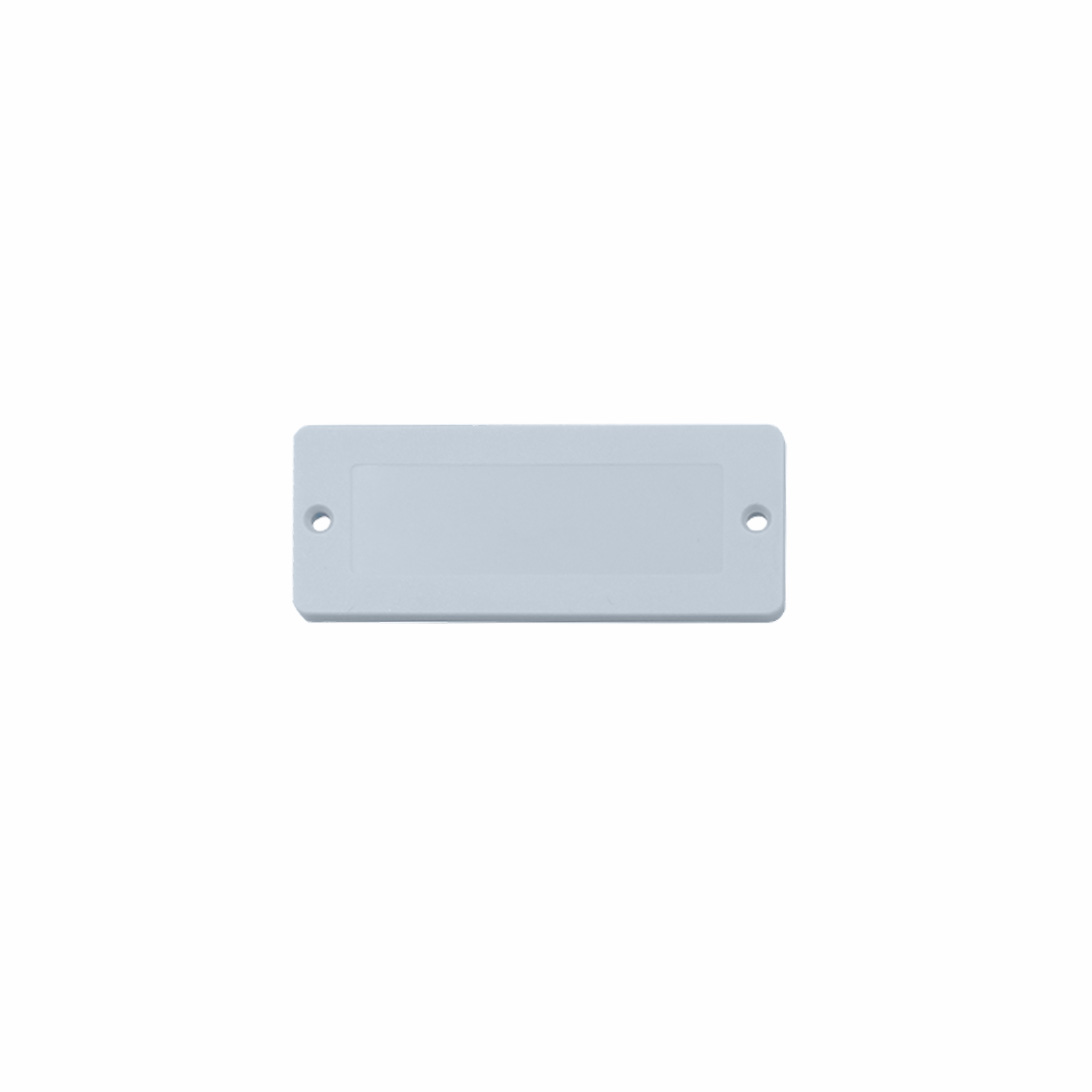
Create a simple experiment: pick representative items or zones, deploy three candidate tags from different suppliers, run identical read scenarios over multiple days, and record read rate, false positives, and battery drain. Log environmental variables: temperature swings, interference sources, and mounting substrates (metal, plastic, glass). Use consistent readers and antenna setups. The point is to force a comparison that reveals trade-offs instead of preferences disguised as facts.
Experience and authority — one concrete anchor
Practical credibility comes from outcomes you can verify. Large-scale retail pilots have shown how label choice changes inventory accuracy; notable programs in the U.S. retail sector, such as Walmart’s RFID initiatives, pushed suppliers to standardize on durable, adhesive UHF solutions. That ground-level lesson ties directly to product decisions about uhf adhesive rfid label tag experience and supplier reliability: it’s not just a technical choice, it’s a logistics decision with measurable KPIs.
Common mistakes that skew comparisons
Don’t let sticker price dominate. Avoid accepting laboratory read ranges without on-site verification. Don’t skip firmware and security reviews; a tag that can’t be updated or authenticated becomes a liability. Overlooking supply-chain resilience — single-source components, long lead times, or unclear warranty terms — causes costly downtime. Finally, don’t conflate marketing roadmaps with shipped capability: insist on delivered proof, not future promises.
Evaluating suppliers beyond the product
Assess supplier responsiveness on technical questions, sample availability, and willingness to run site tests. Verify certifications and request production tolerances, failure rates, and batch traceability. Check software support: does the supplier provide APIs, documentation, and test harnesses? Seek references from deployments similar to yours and confirm their claims with data. Negotiate trial MOQs and clear return terms for poorly performing batches.
Synthesis and practical next step
Comparative insight means choosing the tag and the partner that perform together, not separately. Balance technical metrics with proofs of deployment, insist on controlled trials, and avoid decisions made solely on cost sheets. The practical value lies in an aligned supplier who supplies reproducible readings, clear lifecycle data, and dependable support; that combination is the quiet advantage many projects miss until it’s needed, and the kind of reliability you find with RSTC.