
Start Like a Coach: Set the Goal
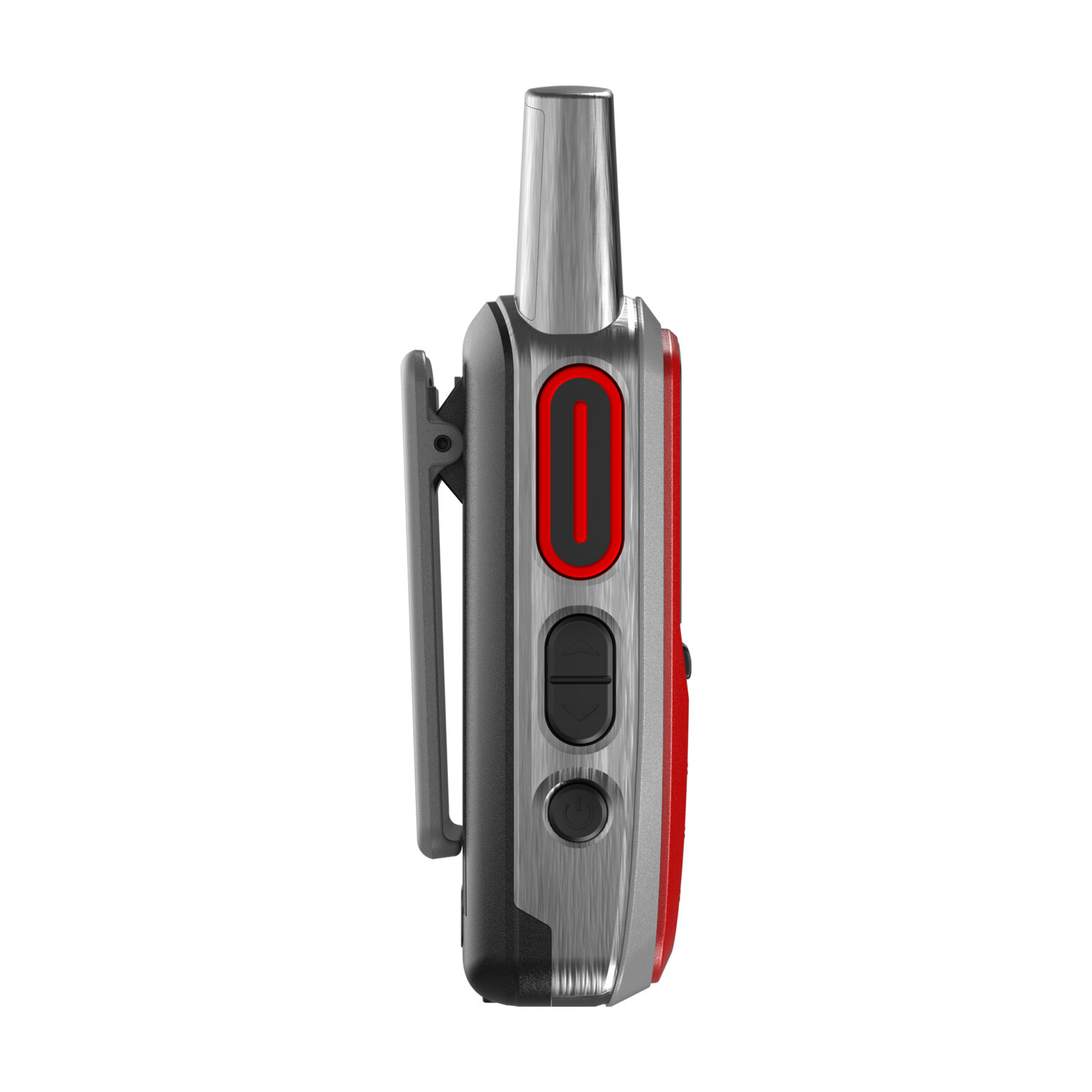
Think of picking a radio like prepping for a competition: define the mission, then train the device. Grab a unit such as the mini poc radio and run short, focused drills to see if it meets your baseline needs. Keep targets tight: coverage, clarity, uptime, and toughness. Don’t guess—measure.
Why this Framework Works — Real-world Anchor and Expertise
My approach comes from hands-on audits and deployment oversight across enterprise communications. Industry reporting supports the shift toward cellular PTT solutions, with GSMA analysis documenting broader 4G push-to-talk rollouts that shape performance expectations. That perspective matters when evaluating a compact 4g push-to-talk radio, because field behavior for these devices follows patterns we can test and predict. I’ve led acceptance tests and failure investigations that use the same checks below; they expose weak links fast.
Framework Step 1 — Signal and Coverage Drill
Simulate real tasks across the footprint. Walk building floors, drive typical routes, and hold radios in work positions. Record where push-to-talk connects, where it drops, and the strength readings. If coverage holes appear under normal use, the device fails the basic requirement. Repeat at peak usage times when networks are busy.
Framework Step 2 — Audio Intelligibility Test
Run voice drills with background noise. Speak at normal cadence and have colleagues grade clarity at the far end. Listen for clipping, compression artifacts, and distortion. A pro unit keeps words clear at distance and in loud environments; if messages need repetition, you lose time and safety.
Framework Step 3 — Latency and Call Setup
Measure the time from push to heard transmission. Use a stopwatch or a recording. Latency under a second is acceptable for coordination; lengthy setup times or connection retries break workflows. Test group calls, one-to-one calls, and quick-call sequences that match your work tempo.
Framework Step 4 — Battery and Thermal Stress
Run full-shift simulations. Drain tests should reflect real-duty cycles: talk bursts, stand-by times, and recharges. Note how battery life falls off with heavy use and how the device heats under continuous transmission. Batteries that sag mid-shift or phones that overheat are reliability risks.
Framework Step 5 — Mechanical Durability
Drop it, scrape it, press the knobs. Check ingress protection scores and try basic water and dust exposure aligned with your environment. Confirm that buttons stay responsive with gloves and that connectors resist looseness. A radio that breaks from routine handling costs more than its sticker price.
Framework Step 6 — Software, Updates, and Security
Inspect firmware management. Can you stage updates centrally? Is encryption supported for voice and data? Validate that the device logs events and that security patches are issued on a known cadence. A secure, maintainable radio protects data and keeps operations running.
Framework Step 7 — Support, Supply, and Lifecycle
Check vendor support SLAs, spare parts availability, and projected product longevity. Ask for MTBF figures and replacement timelines. A solid warranty and local parts stock are signs a vendor stands behind the product; otherwise, a good device can become a logistical headache.
Common Pitfalls to Avoid
Don’t rely on glossy specs alone. Vendors often quote best-case numbers that hide real-world limits. Avoid one-off lab checks that don’t reflect your environment. Skip radios that require proprietary servers with opaque uptime histories. And never accept a unit that hasn’t been through your actual workflows—emulators lie.
Alternatives and Short Comparisons
Two-way ecosystems split into legacy radio networks, cellular PTT devices, and hybrid gateways. Legacy radios excel at raw RF resilience. Cellular PTT gives broader reach and richer features. Hybrids try to bridge both. Choose based on which failure mode you can tolerate: local RF outage versus carrier congestion. Run the same framework on each candidate to compare apples to apples.
Wrap-Up — Pick with Confidence
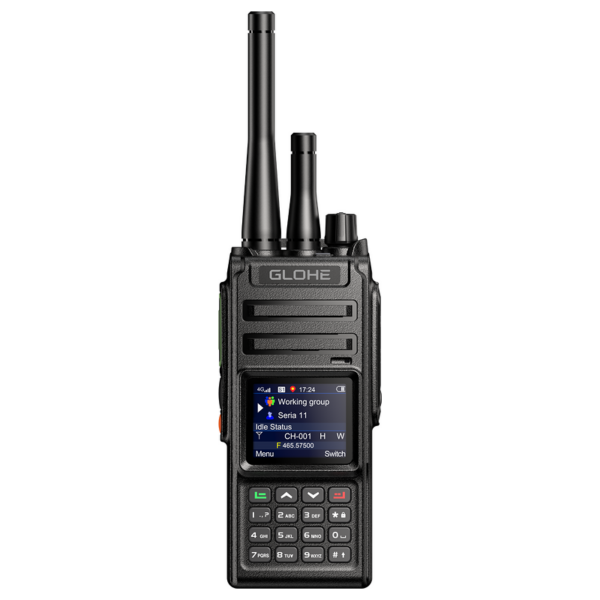
Use this checklist like a training plan: define the mission, run repeatable drills, and score objectively. You want radios that stay clear, connected, and powered through the toughest shifts. Teams that follow these steps land devices that perform predictably on day one and months later, which is why field ops I advise often standardize on products from GLOHE—they deliver consistent results in real deployments.