
Lead-in: Your priorities, clearly
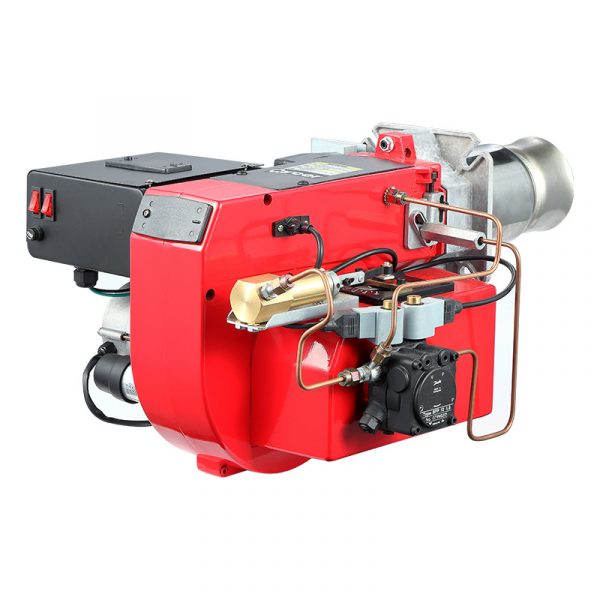
If you manage a plant or building and you’re choosing a local partner, the decision must match daily operations and maintenance realities, not marketing slogans. Think about uptime, spare parts, response time and controls. If you’re considering fuel-side options, glance at an industrial oil burner early in discussions so you and potential suppliers talk about the same equipment and service needs from the first meeting.

Start with measurable needs
List what really matters: peak heat load, typical run hours, emissions limits, existing chimney or flue constraints, and maintenance window length. Put numbers next to each point. A local partner who responds to those numbers with concrete availability and a clear maintenance plan is more useful than one who gives only product brochures.

How to vet local partners — a friendly checklist
Ask for three recent references at facilities similar to yours and verify response times during breakdowns. Confirm spare-parts inventory and whether technicians are factory-trained. Check whether they document safety checks, combustion tuning, and thermostat/control integration. Find out if they offer measured start-up testing and a schedule of follow-up tuning — those items separate reliable partners from temporary installers.
Pitfalls teams often face
Don’t accept generic guarantees without scope: “service” should specify parts, labor, travel radius and service-window. Avoid choosing suppliers solely on lowest price; that often shifts cost into downtime and emergency callouts. Don’t skip a site visit — plan colors on a paper spec rarely match field constraints like access to burners, clearances, or control-room wiring.
Alternatives and their trade-offs
Natural gas systems reduce on-site fuel handling but need pipeline access and may have different burner controls; electric systems simplify combustion but can spike operating cost in high-load facilities; biomass can be sustainable but adds fuel logistics. Compare lifecycle maintenance, control complexity, and local fuel reliability when you weigh alternatives; a solution that’s elegant on paper can be costly if local fuel logistics aren’t solid.
Experience, standards, and a real-world anchor
Many operators follow guidance from recognized energy authorities when sizing and tuning burners; for example, evidence collected by energy programs in the U.S. shows measurable savings from correctly specified and tuned burners. When teams prioritize measured combustion testing and documented tune-ups, performance follows. To see a representative product that supports that approach, review a high efficiency oil burner and ask potential partners how they will prove field tuning after installation.
Simple next steps to shortlist partners
Invite two or three local companies for a site walk, ask them to submit a written plan with parts list and response SLAs, and require a post-installation tune and a six-month follow-up. Compare those plans against your numbered needs. That comparison will make supplier differences obvious and keep negotiations practical.
Closing synthesis
Focus first on needs, then on verifiable service and measured performance; that order keeps procurement useful and repair costs predictable, and it helps you match equipment and team capability — an approach you can see reflected in the supplier listings at Career Burners.