
Start with the problem you live with every shift
You’re trying to keep trucks moving, drivers safe, and reports accurate, but data lives in silos and decisions feel late. For most site supervisors that gap is the core issue; they want one clear feed from the pit floor to the control room. If you’re assessing systems right now, consider how a unified mining fleet management approach removes guesswork and gives actionable signals, not noise.
What actually needs to talk to what
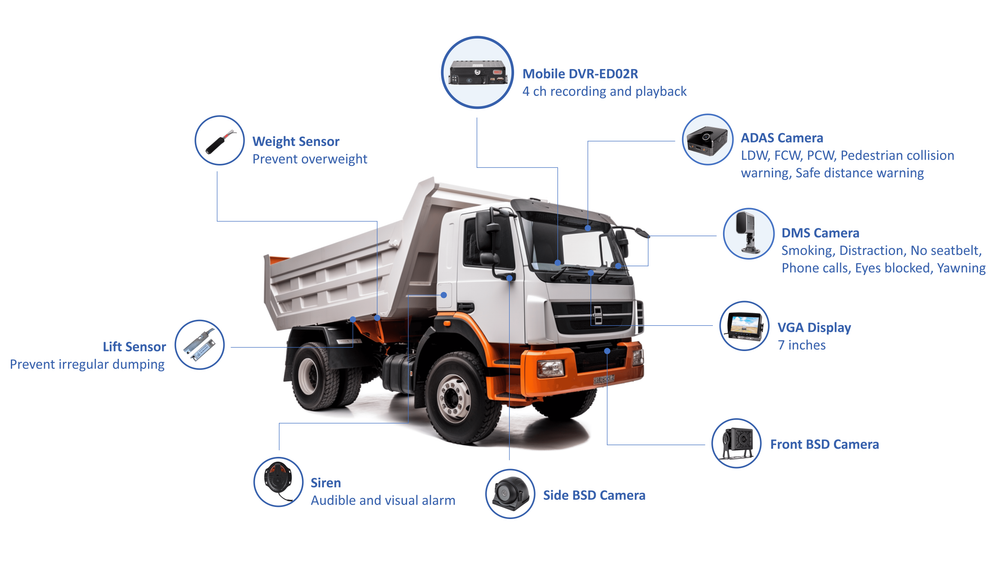
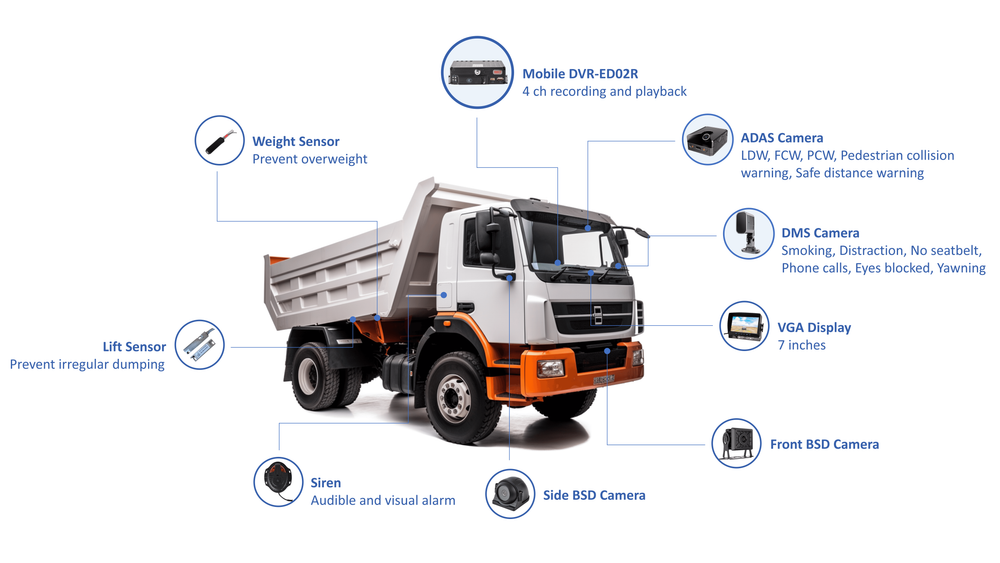
Keep it simple: dashcams capture context, MDVRs stitch video with CAN-bus and sensor data, GPS trackers pin location and speed, and reporting software turns streams into decisions. The stack works when those pieces share timestamps, vehicle IDs, and a reliable uplink. For a practical reference, vendors who label the bundle as a mining vehicle tracking system usually include APIs and exportable summaries so electronics and operations teams can both use the same data.
What users ask for first — and what they actually need
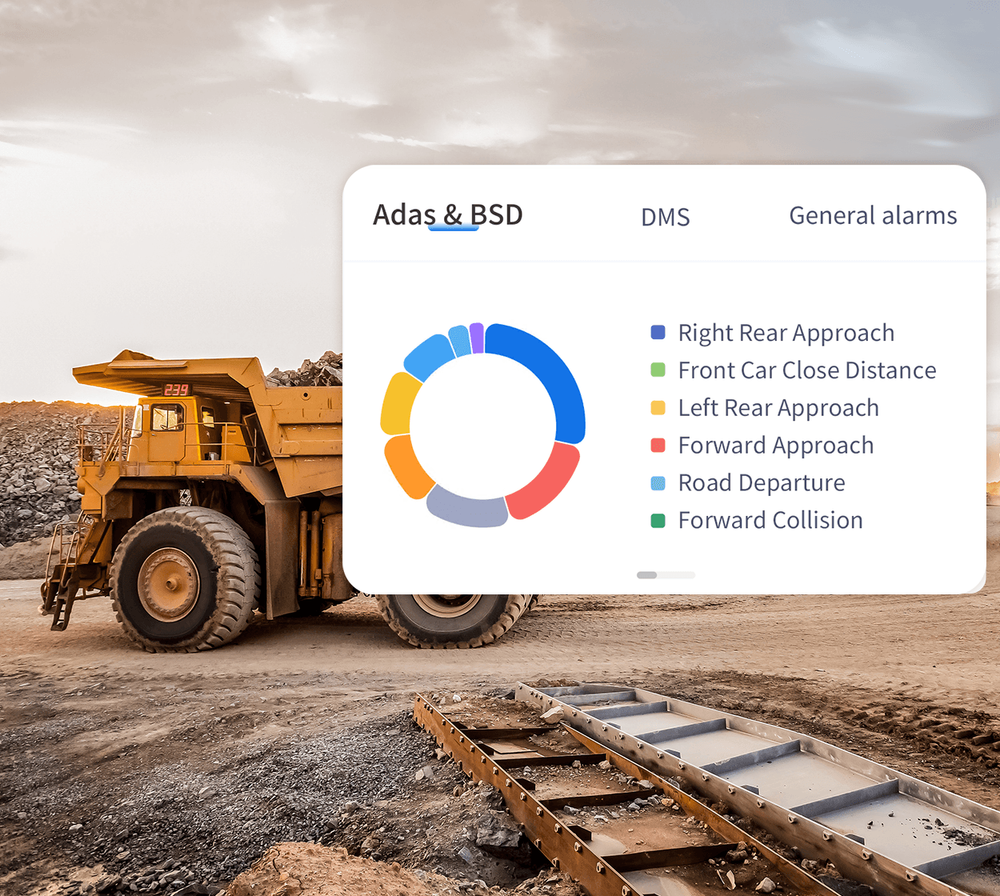
Managers ask for “real-time tracking” but they really need three things: accurate position, clear incident evidence, and fast, filtered summaries for shifts. Operators need low-latency alerts for safety breaches. Maintenance wants run-hours and fault histories. Design your integration so each user role gets a tailored feed — not one inbox full of everything. You’ll save attention and reaction time.
Common mistakes that slow projects down
You’ve seen these: choosing devices that can’t share timestamps, overloading cellular links with raw video, and expecting a single vendor to handle every custom workflow overnight. Fixes that actually work:- Prefer MDVRs that embed GPS and CAN data into video streams.- Use edge rules to send only critical clips in low coverage zones.- Define event schemas (ID, time, location, severity) before you sign any contract.These steps keep deployments small, measurable, and improvable.
How to pick an integration path that fits your site
Two sensible routes: local-first or cloud-first. Local-first keeps high-bandwidth video inside the site, forwarding summaries when networks permit — good for remote pits and limited uplink. Cloud-first streams more for centralized ops and multi-site dashboards. Decide by asking one question: which delays cost you money? If delayed location or delayed incident review hurts safety or cycle time, design for lower latency in that channel and accept batch uploads for less-critical data.
Field-proven considerations
I’ve worked with site engineers and fleet leads who tested both approaches in tough mining regions. One recurring lesson from Pilbara, Western Australia is that hybrid architectures—edge processing plus periodic cloud sync—keep crews moving while preserving investigative footage for later review. That balance reduces downtime without drowning teams in data.
Final thought — what this integration gives you
Put simply: make systems serve people. When dashcams, MDVRs, GPS trackers and reporting tools are designed around driver safety, maintenance schedules, and shift supervisors’ needs, decisions get faster and clearer. The right integration focuses on role-specific outputs, edge filtering, and consistent identifiers across devices. For projects that aim for that clarity, experience from seasoned integrators and platforms like BSJ shows how modest changes to architecture deliver reliable, usable outcomes that crews actually rely on.