
Straight talk: the core problem
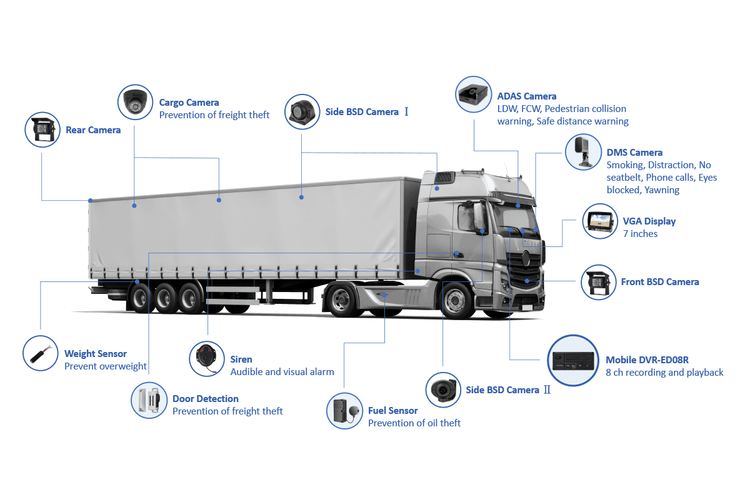
Many operators run fleets but fail at one basic thing: keeping temperature-sensitive goods safe from depot to customer. Visibility gaps, delayed alerts, and unclear responsibility create wasted stock and angry customers. This is not abstract — modern solutions for cold chain fleet management exist, but the problem is choosing and integrating them the right way.
Where failures usually start
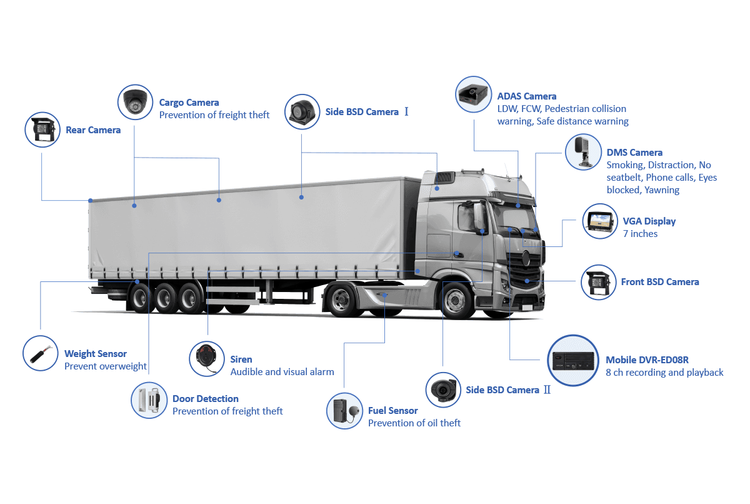
Failures come from small, repeatable issues: poor sensor placement, intermittent connectivity, manual handoffs, and reactive maintenance. These create chains of events: a missed temperature alarm, a late reroute, more manual paperwork. The result is spoilage, compliance headaches, and unpredictable costs. The global COVID-19 vaccine rollout showed how fragile cold chains can be when scale and stakes increase.

Practical fixes that reduce losses today
- Install continuous temperature telemetry with tamper detection — place sensors near the product, not just on the ceiling of the container.
- Use real-time telematics linked to geofencing so alerts include location context and expected transit time.
- Automate exception workflows: immediate phone/SMS for drivers, automated reroute if a stop is delayed, and automatic temperature-hold verification before unloading.
- Adopt predictive maintenance: monitor compressor run-hours and vibration signatures to schedule service before breakdowns.
- Standardize digital handoffs between nodes: timestamps, sensor snapshots, and signature capture remove ambiguity.
These measures rely on robust data collection and clear rules. A good cold chain monitoring system ties these pieces together so staff act on short, verified inputs instead of chasing spreadsheets.
Common mistakes that undo good tech
Buying sensors alone won’t fix processes. Typical errors: piloting hardware without a full integration plan, ignoring mobile connectivity at regional routes, and failing to train drivers on alarm responses. Data overload is another trap—teams get so many alerts they stop reacting. Fix by prioritizing alerts: only notify when a threshold is crossed and the location suggests a real risk.
How to measure whether fixes work
Track concrete metrics and review weekly:
- Temperature excursions per 1,000 shipments;
- On-time delivery percentage for cold-sensitive loads;
- Mean time between refrigeration failures;
- Cost of spoilage per month;
- Audit pass rate for regulatory checks.
Run root-cause reviews for each excursion and publish a one-page corrective action so the same mistake isn’t repeated.
Choosing a partner: checklist for trust
Ask for: deployment references in your region, proof of end-to-end data flow, API access for your TMS, local support SLA, and compliance evidence for pharmaceutical or food standards. Demand a short pilot with measurable success criteria. Operators who involve drivers, warehouse staff, and dispatch in trial design get faster adoption.
Wrap-up
Cold chain fleet gaps are solvable with focused systems, clear rules, and measured KPIs. Start by fixing the most frequent failure points — placement of sensors, real-time alerts with location, and predictable maintenance — then expand. Practical, local experience matters when you scale; that’s why teams often pair internal ops know-how with specialist platforms like BSJ to keep fragile shipments cold and customers calm.