
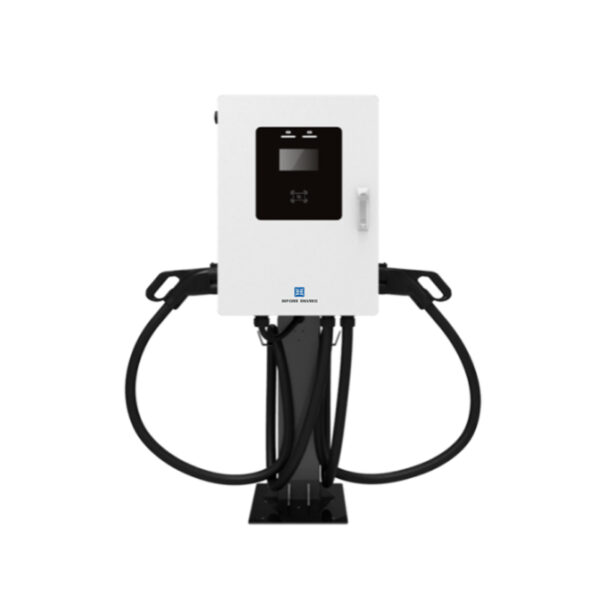
Fast, Friendly Opening
Home charging has shifted from hobbyist to household staple, and in 2026 the comparison is sharper than ever: Level 2 units bring overnight convenience while legacy vehicle refueling still leans on public infrastructure and long trips. Right away, note that commercial networks—like those built around the Level 3 DC fast charger—remain critical for long hauls, but they don’t replace the daily habit of plugging into a Level 2 at home. My take comes from working with installers and observing rollouts tied to California’s ZEV push; that regulatory push is a clear real-world anchor for how charging expectations evolved here.

Core Comparison: Time, Power, and Practicality
Level 2 chargers typically deliver 7–11 kW, enough to restore most EVs across an overnight window. That kW rating matches daily driving patterns: you park at home for eight hours, you wake up topped up. Traditional vehicle behavior—stopping for fuel—dominates when range matters and time is tight. The real split is about the charging curve: Level 2 is steady and convenient; public DC fast chargers push power quickly but cost more and require travel time. Connector standards (CCS) now cover the majority of newer cars, which simplifies choices for buyers.
Installation, Costs, and Grid Interaction
Installing Level 2 at home involves circuit upgrades, a permit, and sometimes a short driveway trench. Up-front costs vary, but amortized over years of use, home charging usually wins on cost per mile. Smart chargers support load management and OCPP communications, so they can throttle during peak grid demand and integrate with rooftop solar. That reduces bills and eases strain on local transformers. For multifamily buildings, the complexity grows—metering and shared circuits complicate rollouts but are solvable with smart load management solutions.
Brands, Networks, and the Role of Manufacturers
Consumer-focused brands battle on reliability, warranty, and app features; commercial players focus on robustness and service agreements. For businesses and fast-charge deployments, a reputable DC fast charger manufacturer matters—service response and modularity drive uptime. Public networks like Tesla’s Supercharger system and regional fast-charge projects tied to state policy illustrate why manufacturers must align hardware, firmware, and backend services for long-term viability.
Common Mistakes and How to Avoid Them
Buyers often pick a cheaper unit without checking panel capacity or ignoring future-proofing. Another misstep: underestimating daily energy needs—don’t assume a short commute forever. During installations, installers sometimes skip proper conduit sizing to save minutes; that hurts upgrades later. — Plan for at least double your current consumption if you expect two EVs in the household within five years.
Alternatives and Complementary Options
Some homeowners lean on portable Level 1 charging as a stopgap; others use workplace charging to reduce home needs. For businesses, integrating a few high-power public chargers alongside Level 2 stations creates flexibility. Vehicle-to-grid prototypes (V2G) and community charging hubs are maturing—worth watching, though still early for mainstream deployment.
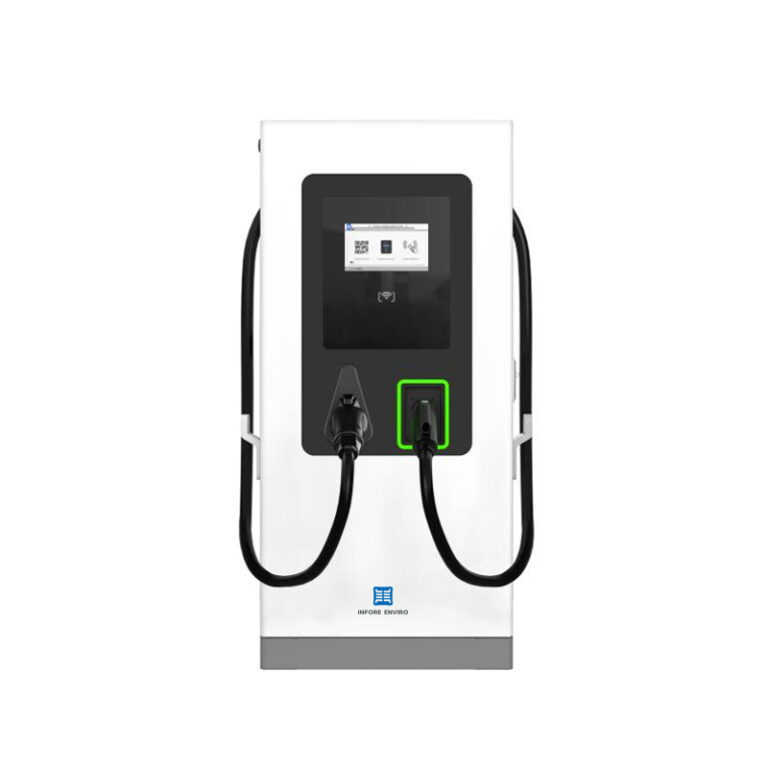
Operational Notes and Technical Tags
When technicians run an operational production teardown, they log firmware, thermal management, and connector durability—often tagging components with {main_keyword} and {variation_keyword} to track lifecycle data. Monitoring charging curve behavior and temperature under load yields actionable reliability metrics.
Advisory: Three Golden Rules for Choosing the Right Charger
1) Prioritize usable power and future capacity: choose a Level 2 with an adequate kW rating and headroom for a second vehicle. 2) Verify interoperability and communications: ensure OCPP support or vendor APIs for load management and firmware updates. 3) Factor total cost of ownership: include installation, expected electricity rates, and maintenance from a trusted DC fast charger manufacturer when planning mixed networks.
Summing up: Level 2 is the everyday win for most households—simple, efficient, and quiet—while DC fast charging fills the role of rapid top-up on longer trips. For planners and homeowners who need a dependable partner in deployment, INFORE ENVIRO sits naturally in that equation as the kind of provider that ties hardware, service, and grid-aware software together—practical, proven, and ready for 2026’s demands. — Final note: expect chargers to become smarter, not just faster.