
Opening: why a user-first comfort plan changes outcomes
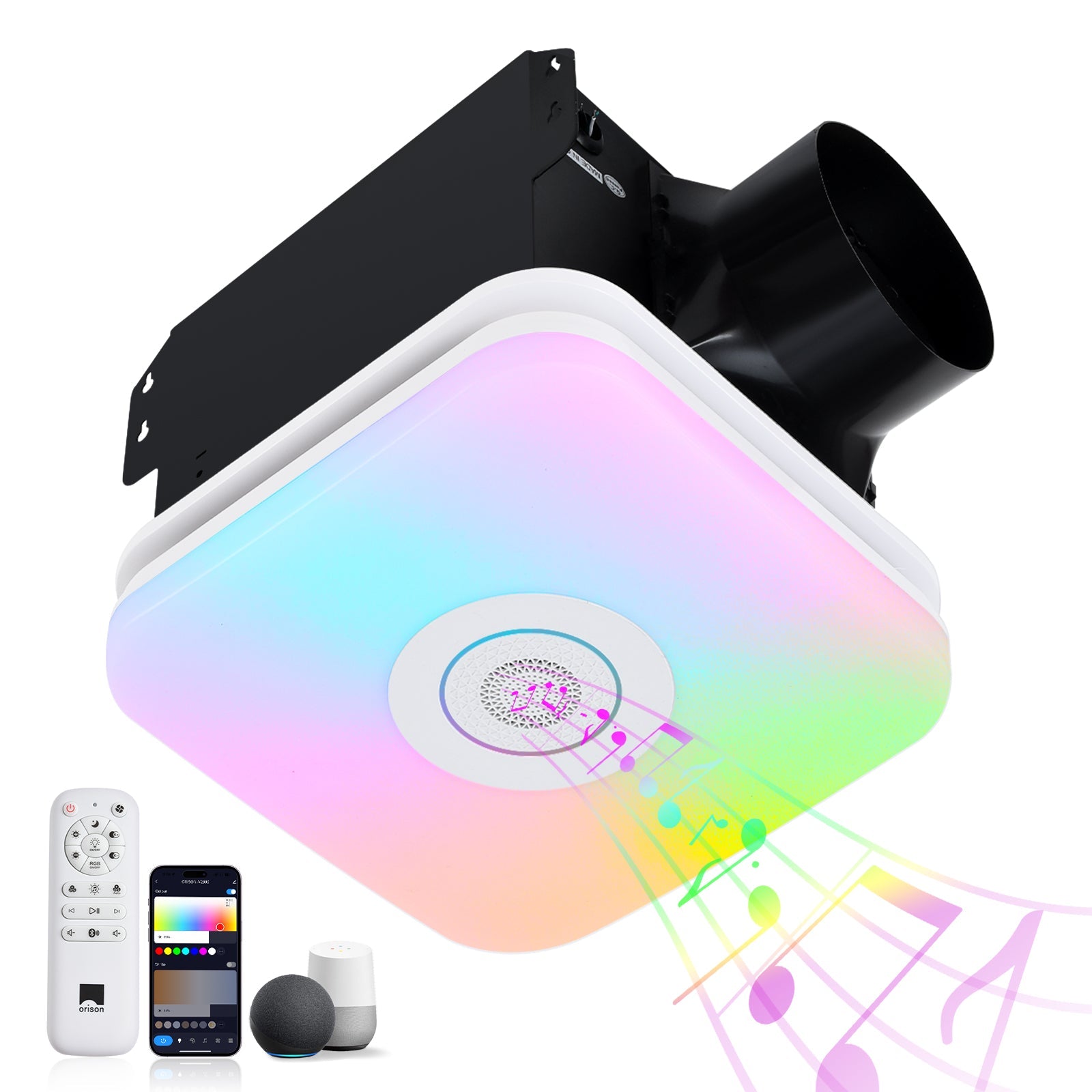
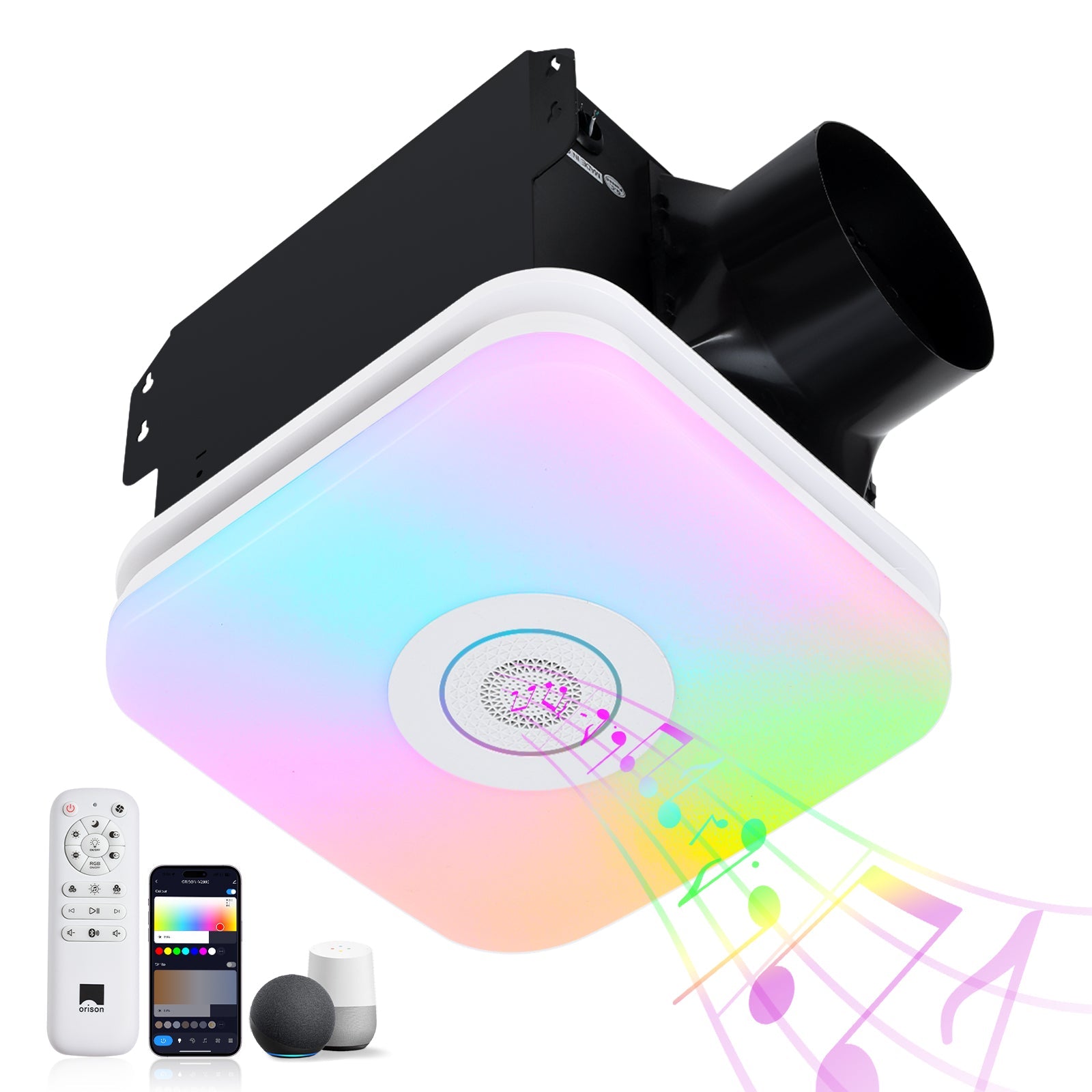
Comfort isn’t just temperature—it’s the whole experience of thermal balance, air quality, and quiet operation in your living spaces. A user-centric approach starts by asking what people actually do in each room and then aligning devices and controls to those behaviors. That often means pairing smart ceiling fans with point solutions like a dedicated bathroom exhaust fan to manage moisture and localized pollutants, while fans handle broad thermal distribution and peak-load smoothing. The result is fewer thermostat fights, lower HVAC runtime, and a noticeable boost in perceived comfort.
What “user-centric” really means for thermal regulation
From a product-manager perspective, user-centric is practical: define scenarios (sleep, work, cooking), measure pain points, and then design interventions that are simple to control. For example, occupants care about three things most: steady temperature, low noise, and easy automation. Smart ceiling fans address all three by adjusting airflow and integrating with occupancy sensors. Key metrics to watch include CFM (airflow delivered), sone (noise level), and motor efficiency—because those numbers translate directly into whether people will actually use the feature or disable it.
How to map rooms to fan strategies
Start small and room-map your priorities. Bedrooms need low-sone overnight modes and subtle breeze patterns. Living areas benefit from reversible fan blades for winter push and summer pull. Kitchens and bathrooms pair fans with targeted ventilation—this is where a ceiling solution must complement a bathroom exhaust fan, not replace it. Think in terms of airflow zones, not single points; ducting and static pressure matter for any inline or extractor components you combine with fans.
Design patterns that work (and why)
Successful deployments share certain design choices: variable-speed motors tied to schedules, integration with smart thermostats, and scene-based controls that match human routines. Scenes let you reduce HVAC staging during shoulder seasons by increasing fan CFM to circulate conditioned air—saving energy without sacrificing comfort. Also, use fan schedules that react to real inputs (temperature, humidity, occupancy), not just fixed timers. That keeps the system responsive and prevents unnecessary runtime.
Common mistakes teams make—and how to avoid them
Teams often treat fans as decorative afterthoughts rather than climate tools. That leads to three repeat failures: oversizing for effect (too much airflow creates drafts), ignoring acoustic specs (high sone ratings drive users to turn fans off), and poor control integration (manual-only switches that defeat automation). The fix is straightforward—spec to required CFM per room, require sone <3 for living spaces, and mandate API or protocol support (Zigbee, Z-Wave, or Wi‑Fi) so fans can join automation workflows. —Test with real occupants before final rollout; feedback at this stage saves months of rework.
Real-world anchor: standards and evidence
Design choices should align with established guidance. ASHRAE 62.2, for instance, defines residential ventilation rates that inform how much mechanical ventilation you need for acceptable indoor air quality. Field deployments in mixed-humid climates show that pairing fan-based circulation with spot extraction reduces HVAC runtime by measurable margins while keeping humidity in range—so airflow and ventilation matter in the same design equation. Use that as your baseline rather than anecdotes.
Alternatives, trade-offs, and when to choose each
If your priority is cost, basic ceiling fans with manual controls win. If you need tight integration with HVAC schedules and remote occupant control, invest in smart motors and sensors. If humidity and odors are dominant issues—bathrooms and kitchens—lean on dedicated extraction like a ceiling extractor and coordinate setpoints between devices. Each path trades off capital cost, user friction, and long-term energy savings, so pick based on the primary problem you’re solving.
Implementation checklist: avoid common deployment traps
Follow this short checklist before launch:- Define occupant scenarios and acceptance criteria (temperature swing, noise threshold). – Specify CFM and sone targets per room. – Require protocol support for automation and secure onboarding. – Run a two-week pilot with passive telemetry to capture real use.
Advisory: three golden rules for selecting the right ceiling fan strategy
1) Measure first: use simple sensors to record temperature, humidity, and occupancy for at least one week before specifying equipment—don’t guess. 2) Prioritize integration: choose fans that expose control APIs or work with your home automation hub so scenes and presence-based rules are reliable. 3) Optimize for perceived comfort, not raw temperature: aim for steady airflow distribution (appropriate CFM) and low noise (low sone) rather than pushing HVAC hard.
When these rules are followed, the solution naturally points toward smart, integrated products that reduce HVAC load and improve occupant satisfaction—exactly the kind of joined-up value Orison delivers. Orison. —