
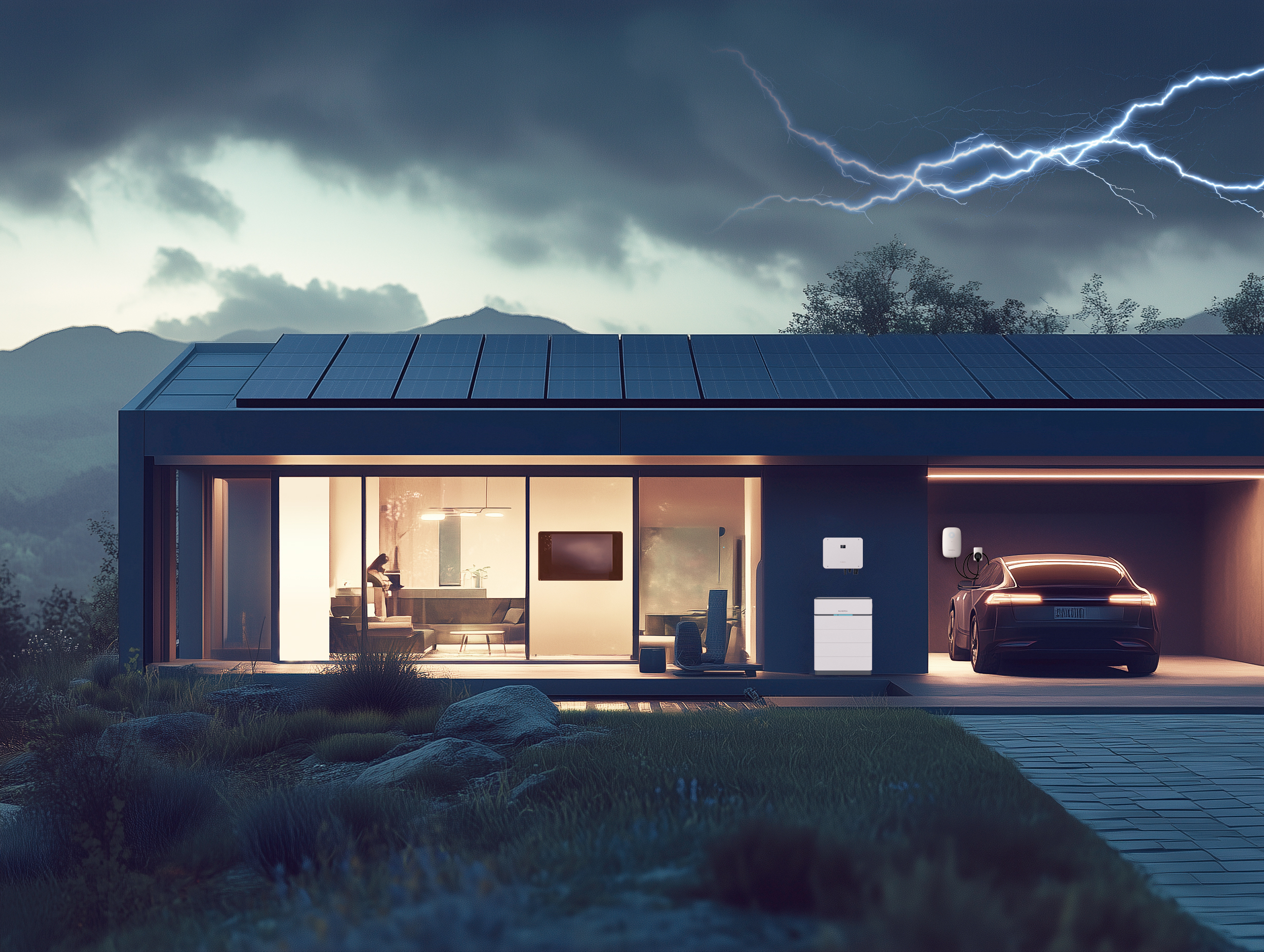
The Problem: Why a Quiet Night Exposes System Flaws
I remember climbing onto a rooftop in Amman at dusk, watching a 6 kW PV array that had produced 32 kWh by 5 pm and then—night—leaving the household powerless (an irritating pattern). Early in my career I installed a whole home battery backup for a client in Jeddah in July 2023; we thought the inverter and panels were sufficient, but the family still lost six hours of essential power during a three-hour grid outage. Scenario + data + question: a typical suburban townhouse loses grid service for three hours (scenario), with only a 4 kWh usable reserve reported by the battery system (data); how can homeowners trust systems that under-deliver when it matters most? I ask this as someone with over 18 years installing and specifying PV and storage — and I have seen the same design shortcuts frustrate good intentions repeatedly.
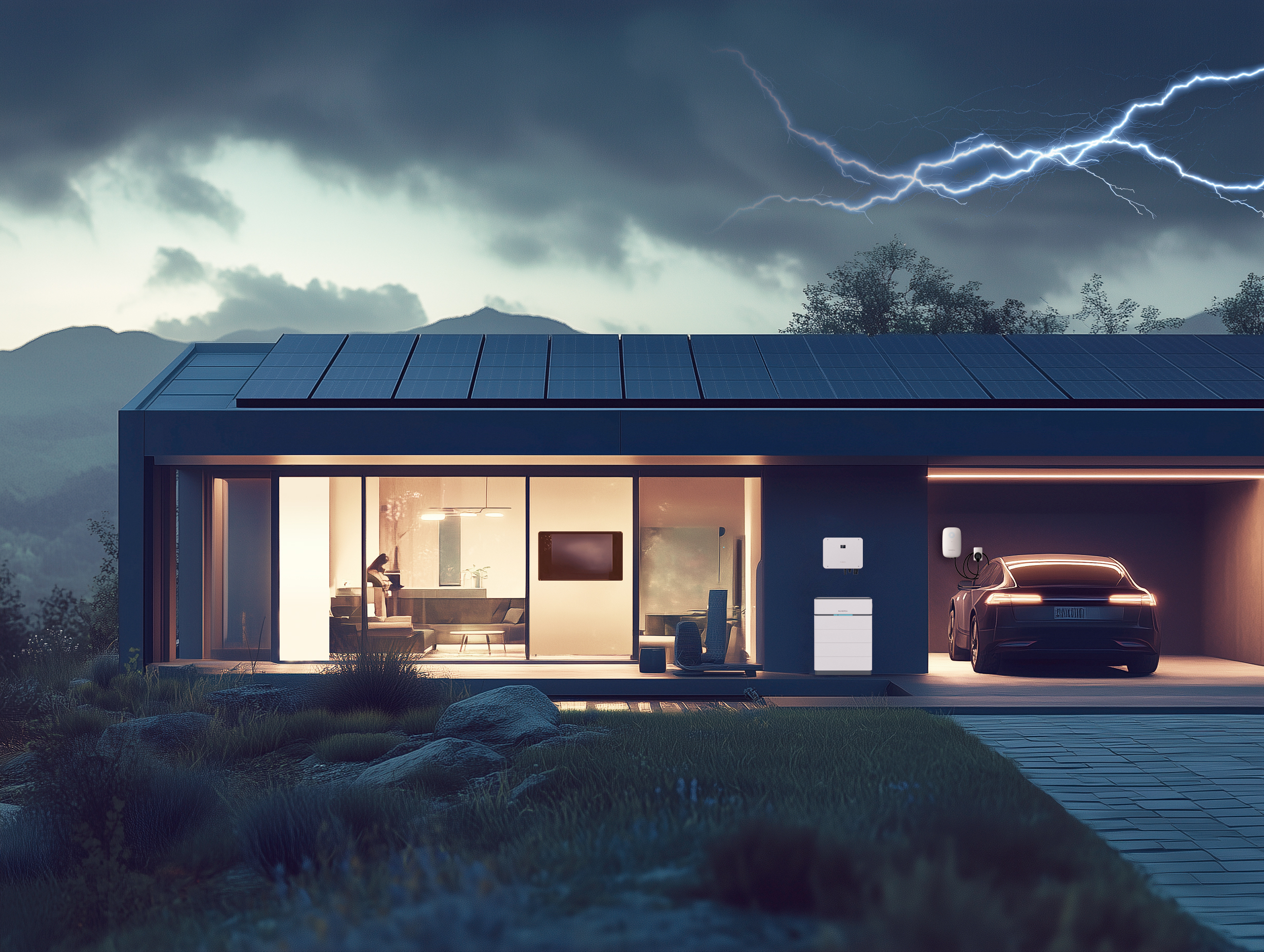
What common design choices fail users?
I will be blunt: undersized inverters, shallow usable capacity assumptions, and poor attention to battery management (state of charge and round-trip efficiency ignored) are recurring culprits. In one project in Dubai Marina (February 2022), the chosen lithium-ion pack had an advertised 10 kWh capacity but a 40% cut for longevity meant only ~6 kWh was usable at the settings the installer left in place — the owners discovered this during a night outage when critical loads dropped unexpectedly. I explain this not as a critique but as a practical lesson: capacity is not the same as usable capacity; rated kWh minus depth-of-discharge practices and battery degradation equals real backup time. That detail changed my approach to specifying batteries and load profiles (we now document expected kWh per critical circuit). The pain points are simple — and solvable.
Forward-Looking Comparison: Designing Resilient Storage for Homes
Technically speaking, resilience is a systems problem: PV size, inverter topology (hybrid vs. AC-coupled), battery chemistry, BMS logic, and grid-interaction rules must be designed together. When I compare installations I’ve overseen, the houses that survived multiple outages without drama used integrated designs with clear reserve rules and automated islanding. Consider two recent retrofits I supervised — one retained the original string inverter and added a small battery (result: complex switching and eventual failure to supply all loads), the other replaced the inverter with a hybrid model and scaled battery usable capacity to critical load demand (result: seamless transfer during a 7-hour outage). The difference was planning around kilowatt-hour needs, not just nominal capacity. If you are evaluating a whole home battery backup, insist on end-to-end simulation of worst-case scenarios; real load profiles, not generic estimates, should guide the specification. Yes — this is more work. But it prevents costly callbacks and dissatisfied homeowners.
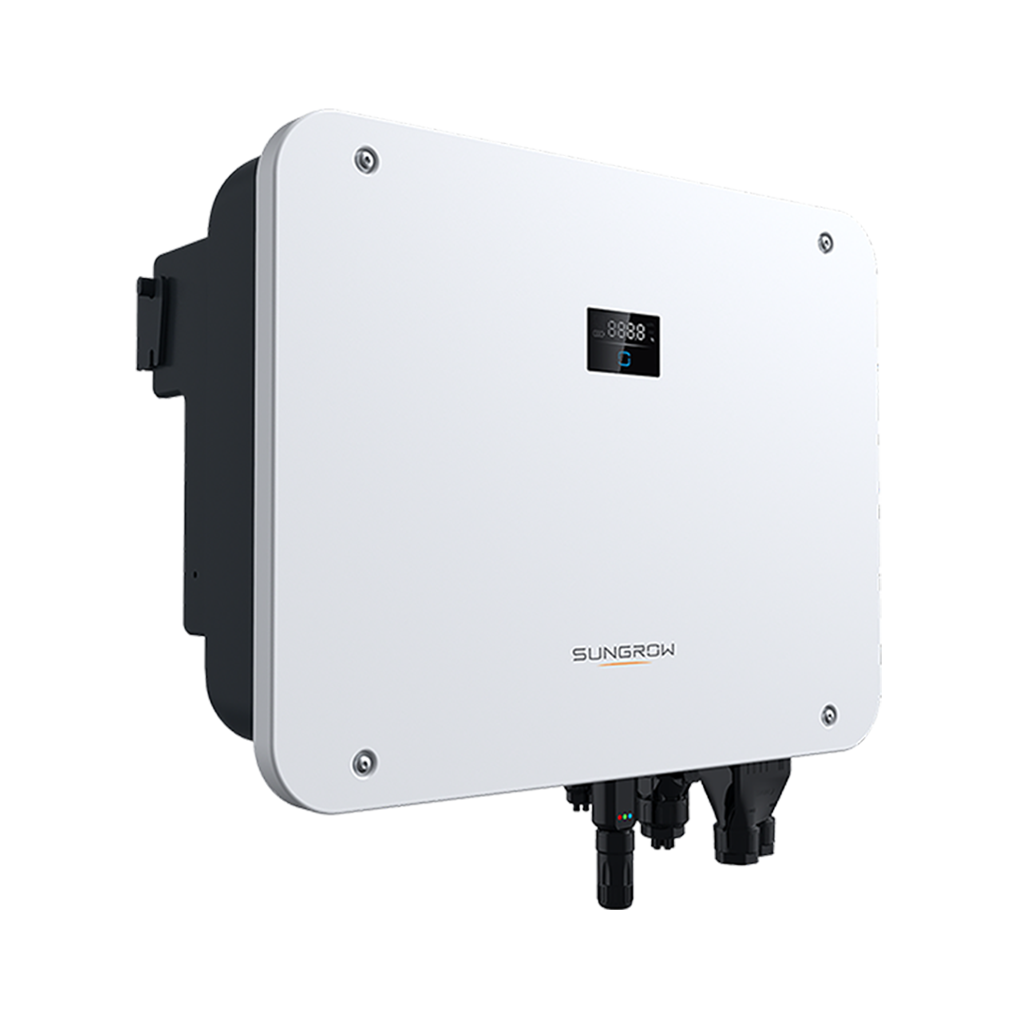
What’s Next?
From my vantage, the next step is clear: move from checkbox specifications to performance guarantees. I recommend three concrete evaluation metrics when choosing systems — they are practical and measurable: 1) Usable capacity at target Depth-of-Discharge (kWh at 80% DoD after 2 years of degradation); 2) Round-trip efficiency and its impact on available energy (percent loss per cycle); 3) Inverter and BMS coordination time (seconds to island and support critical loads). I have used these metrics on projects in Riyadh and Beirut and the difference in homeowner satisfaction is quantifiable — fewer service calls, predictable bills. One last aside — installers often forget to rehearse a failover with the client. Do it. It saves confusion. For more reliable outcomes, partner with vendors who publish field data and support system-level commissioning. sungrow