
When the Grid Hits the Hot Plate
I once stood beside a humming container at the Mojave substation in July 2020, watching meters climb like steam—our 50 MW/200 MWh lithium-ion BESS had just stepped into the fray and cut peak costs by 18% in six months; what operational trade would you choose when every megawatt counts? I write from the inside about utility scale energy storage systems, and that heatwave taught me how utility scale battery storage can taste like relief or ash, depending on how you dispatch it (and yes — I’ve burned a schedule or two myself).
I remember the metallic tang of inverter fans under full load, the subtle lag when state-of-charge (SOC) hovered near limits, and the frustrated calls from the control room when revenue signals collided with emergency reserve needs. That collision is the core problem I keep seeing: traditional control strategies treat BESS like a single, obedient skillet—simple rules, crisp outputs—yet real grids demand a sous-chef who can juggle frequency regulation, capacity markets, and outage resilience all at once. The flaw is not the chemistry; lithium-ion cells deliver. The flaw is the choreography: static setpoints, blunt peak shaving, and brittle market-following that fail when conditions sizzle. Now, let’s move from diagnosis to the mise en place for a better approach.
Forward-Looking Fixes: Balancing Flavor and Function
What’s Next?
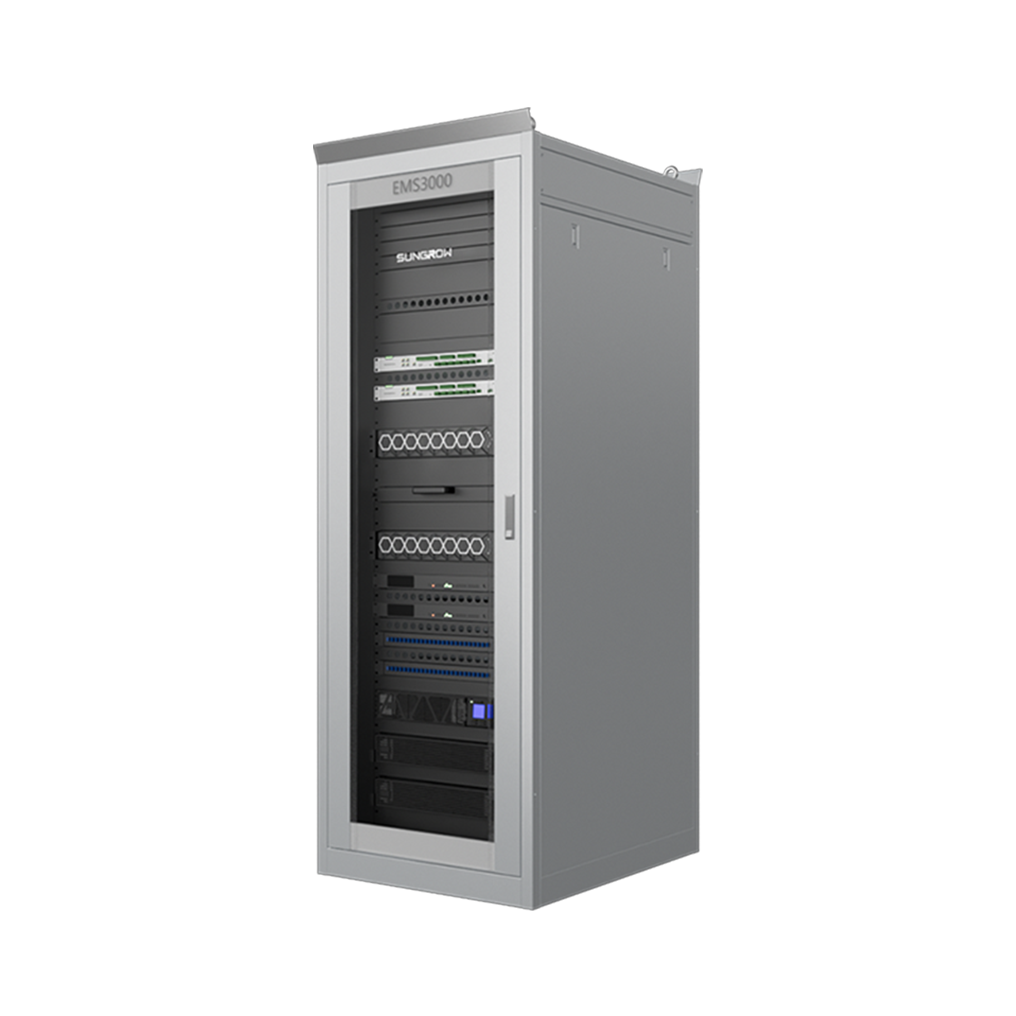
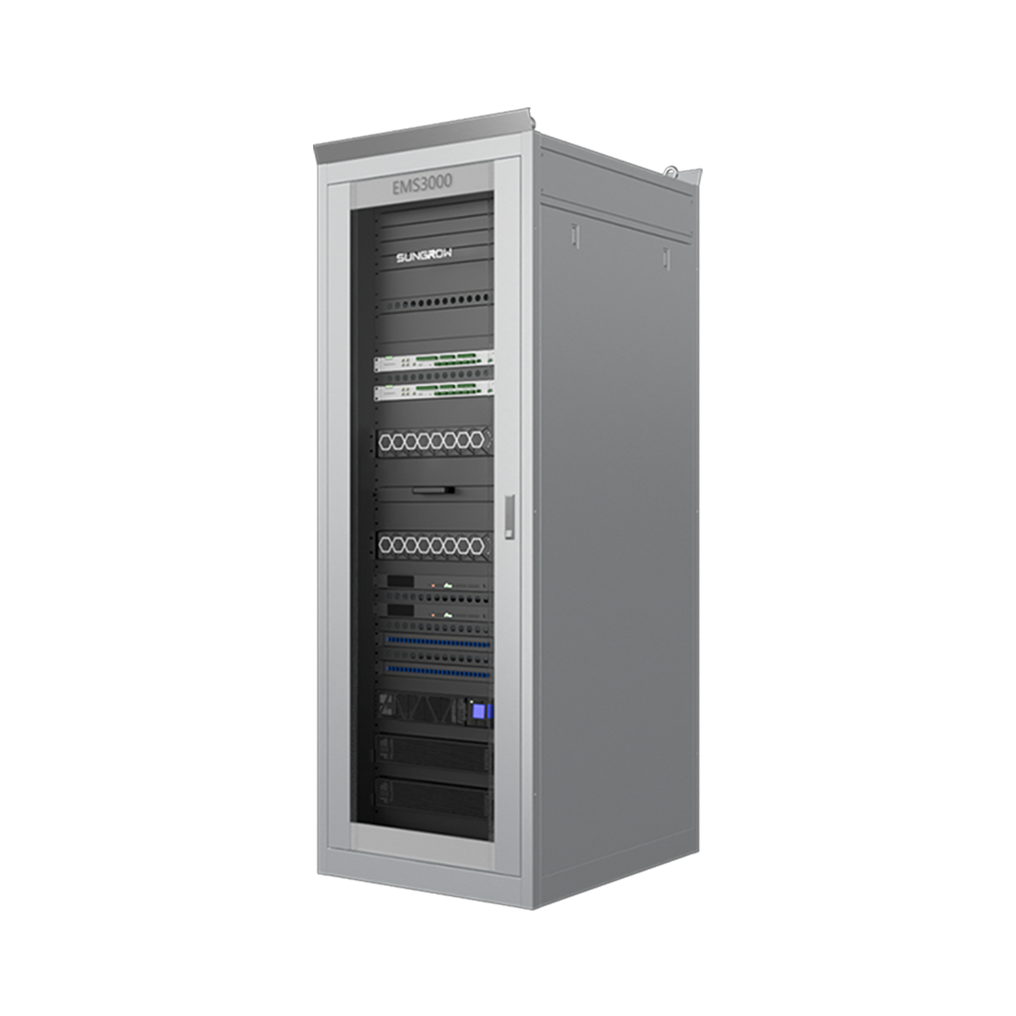
I change tone here—leaning technical—because solving the choke points means redesigning control logic, not just swapping hardware. I’ve been at this for over 15 years, and I’ll tell you plainly: layered control with adaptive SOC windows, predictive thermal derating, and market-aware bidding transforms a BESS from a single-course fix into a full menu. In one utility trial in Arizona (December 2021), updating dispatch algorithms to respect cell temperature profiles and to prioritize critical-load arbitrage improved availability by 12% while preserving cycle life. You’ll need smarter EMS, tighter inverter coordination, and a BESS-aware asset manager that speaks both grid protocols and market language.
Practically, that means three concurrent moves: model the grid’s short-term volatility (seconds to hours), bake battery aging into every dispatch decision, and create explicit resilience layers—reserve buckets that only unlock under defined contingencies. I’m blunt about trade-offs: more reserve reduces short-term revenue but slashes outage risk—quantifiable, measurable, and sometimes lifesaving. Also, don’t ignore human factors; I once changed a hysteresis threshold at 02:00 and prevented a cascade (true story—operators slept easier that week). These changes taste like a small upfront investment and a long-term reduction in replacement costs.

Evaluation Metrics to Choose By
When you judge solutions, I recommend three clear metrics: 1) Availability-adjusted revenue (how much income remains after reserving resilience), 2) Cycle-cost-per-MWh (including degradation modeled over 10 years), and 3) Response fidelity (ms-to-minute performance for frequency regulation and black-start tasks). Compare candidates with these numbers—not glossy brochures. I’ll interrupt myself here—because metrics alone aren’t the whole story—operator training and field-proven controls matter, too.
To close, I summarize plainly: the traditional flaw is static thinking; hidden pain is the tug-of-war between markets and resilience. Fixing that requires layered controls, thermal and SOC-aware dispatch, and metrics that measure both income and insurance. I built systems that reduced unplanned outages and extended pack life; we should aim for the same. For practical partners and tested solutions, I point to field-ready platforms and experienced suppliers like sungrow—they’re in the trenches with you. Next, you’ll want to map these ideas onto your site’s specific requirements and run a controlled pilot.