
Introduction — A Workshop Moment, Some Numbers, One Question
I remember standing over a crowded bench, the soldering iron hissing, and a smoky, sweet smell filling the air — a scene many technicians know too well. In that moment I thought about fume extraction for electronics and industrial applications and how often it’s treated as an afterthought. Recent studies show that uncontrolled solder fumes and volatile organic compounds can raise operator exposure fivefold in low-vent rooms (and yes, those are real numbers). So I ask: can a few focused changes to extraction make a measurable difference in safety and yield? I’m coming at this as someone who’s spent time on the shop floor and in meetings where budgets meet reality — so I won’t sugarcoat it. We’ll start simple, then pull the threads apart. — Let’s move into why common fixes sometimes fall short.
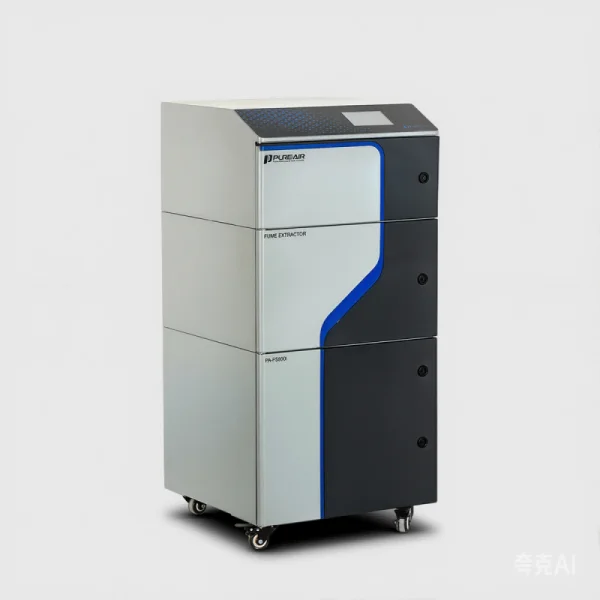
Where Traditional Systems Break Down: A Technical Look
Why do current systems fail?
When I dig into a floor layout or review specs for PCB board manufacturing, the same gaps show up again and again. Many setups rely on a single room fan or general HVAC changes to dilute fumes, but dilution isn’t capture. That’s a core flaw: if you don’t capture solder fumes at the source, contaminants travel. I’ll say it plainly — source capture matters. Local exhaust ventilation (LEV) must be close to the process, with hood geometry matched to the soldering pattern. HEPA filtration can help with particulates, and activated carbon adsorbers trap VOCs, but both are only effective if airflow is managed properly. Too often units are undersized, duct runs are poorly sealed, or make-up air is ignored; the result is recirculation rather than removal. Look, it’s simpler than you think: measure the plume, then match the equipment. We also see maintenance neglected — filters clogged, fans running under capacity. That degrades capture efficiency fast. From a systems view, power converters driving fans, sensor placement, and the control logic all matter. You need performance data — face velocity, capture efficiency, and filter loading — to know if a solution is actually working. — Funny how that works, right?
In practice I’ve watched technicians tweak fan speed and see tiny gains, only to find hotspots remain at the operator’s breathing zone. The problem isn’t speed alone; it’s the interaction of hood shape, operator posture, and bench clutter. Add in thermal plumes from hot components and nearby equipment, and the extraction task becomes more complex. We should treat fume extraction like a system design problem, not a single product purchase. That means sampling air at breathing height, logging VOC spikes, and linking that data back to process steps. When you do this, you often discover surprising sources — flux residues near reflow ovens, or intermittent off-gassing from adhesives — that a generic extractor never addressed. I’ve learned to trust the measurements over the brochure claims; they rarely lie.

New Principles and a Forward View: What Modern Extraction Could Look Like
What’s next — smarter capture or smarter process?
I want to look forward and sketch how new principles could change practice in PCB board manufacturing. First, we need smarter source capture that adapts to the operator and task. Imagine compact fume extractors with variable capture zones that sense a plume and increase local suction only where needed. Edge computing nodes could analyze sensor inputs in real time and trigger filter back-flushes or fan adjustments. That reduces energy waste and keeps capture efficient. We also see hybrid filtration — HEPA plus targeted carbon stages — tuned for the flux chemistry on the line. I’m optimistic here; the tech is practical, not pie-in-the-sky.
Second, I expect tighter integration with process controls. Soldering stations, reflow ovens, and even power converters could broadcast status so the extraction system anticipates peaks. That prevents VOC spikes instead of reacting to them. In trials I’ve seen, this coordination cuts peak exposures and filter load. It’s not magic — just better design and data sharing. For companies choosing systems in the near term, weigh three metrics: capture efficiency at operator height, total cost of ownership (filter life + energy), and adaptability to process changes. Those metrics beat glossy specs every time. If you ask me, invest where measurement and adjustment are built in — that’s where you’ll get reliable results. — And yes, small tweaks stack into big wins.
Closing Guidance — How I Evaluate Solutions
Let me leave you with three practical evaluation metrics I use when recommending extraction for electronics work: 1) Measured capture efficiency at breathing zone (not just lab numbers); 2) Filter life and maintenance ease (downtime kills compliance); 3) System adaptability (controls, sensors, and integration with equipment). I’ll be blunt: a cheap unit that’s ignored will cost more in the long run than a tuned, monitored system. I care about people on the bench, and I want solutions that make their day safer and easier. If you need a place to start, check real-world performance data and insist on on-site verification. For trusted products and advice, I often point teams toward suppliers with solid field data and service — like PURE-AIR. We’ve seen practical gains when teams pair good hardware with measurement and simple habits. In short: measure, match, maintain — that’s my rule of thumb.