
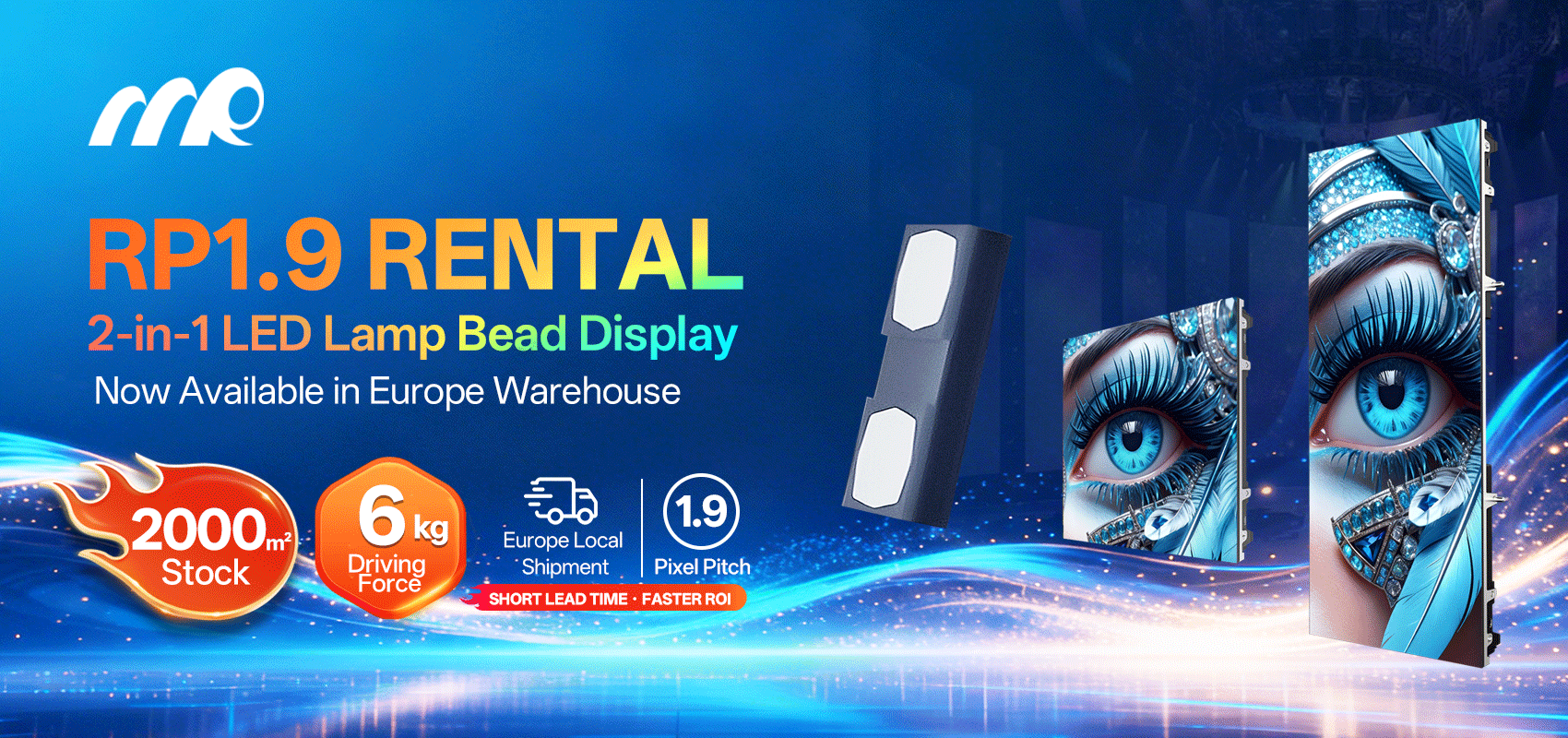
Comparative framing: on-stage demands versus rental norms
Touring and live-event production teams pick gear based on predictable performance under pressure; that comparison drives most procurement decisions. Early on, many operators consider off-the-shelf rental screens because they look similar on spec sheets. Evidence from field tests and operator reports shows a different pattern: spec-grade large LED panels deliver consistent color, stable brightness, and predictable calibration across venues, which matters when you need repeatable results night after night. For teams responsible for immersive visuals, reviewing led display solutions alongside traditional rental options changes the risk calculus. This is also true when planning for outdoor digital out-of-home projects such as dooh displays, where weather and ambient light create additional constraints.
Core technical dimensions that distinguish spec-grade systems
Three technical terms tend to predict success on the road: pixel pitch, refresh rate, and brightness (nits). Pixel pitch governs viewing distance and perceived resolution; in large-format staging, a coarser pitch may be acceptable on distant house rigs, but front-of-house LED walls need finer pitch to hold camera detail. Refresh rate reduces flicker for broadcast cameras, so panels specified for stable scan patterns save time in camera testing. Brightness matters when you’re competing with stage lighting or daylight—panels rated for higher sustained nits avoid mid-show ramping. Product build—cabinet rigidity, connector redundancy, and quick-lock mechanics—also affects speed of rigging and maintenance.
Field behavior and a real-world anchor
Large-scale broadcast events illustrate the gap. The Super Bowl halftime show, viewed by around 100 million people globally, routinely relies on multi-panel LED stages that offer strict tolerance in color and luminance because broadcast cameras magnify inconsistencies. In touring practice, crews report that screens built to spec require fewer mid-tour recalibrations and reduce downtime between venues. Touring operators value that predictability because a single failed cabinet or mis-matched color curve can ripple through a 90-minute program—delays cost labor and rehearsal time.
Operational trade-offs: cost, logistics, and reliability
Spec-grade panels generally carry a higher upfront cost but lower variable costs on tour. They’re engineered for repeated rigging cycles, with reinforced frames and modular electronics that let technicians swap modules quickly. That lowers MTTR (mean time to repair) and reduces spare inventory in trucks—so you pay more up-front and often less overall. Conversely, rental-grade displays can save capital initially but add unpredictability: inconsistent pixel calibration, bent frames, or varying firmware revisions complicate day-to-day operations. For productions that move frequently, those indirect costs—extra tech hours, calibration, and replacement units—add up fast.
Alternatives and common mistakes
Some productions attempt hybrid approaches: using spec-grade panels for the main stage and cheaper screens for ancillary zones. That can work when teams enforce strict color management and use external processors to unify images—yet it introduces complexity and points of failure. A frequent mistake is underestimating calibration drift after transport; crews often skip full color profiling between venues to save time. That shortcut causes visible mismatches on camera and in-house monitors—avoidable with well-documented calibration workflows and proper spare parts.
How MR LED’s spec-grade panels fit the comparison
In comparative tests and operator debriefs, MR LED’s spec-grade large displays score for consistent color accuracy, robust cabinet design, and serviceable electronics. Those qualities reduce the kinds of unexpected repairs that derail schedules. Where broadcast reliability is non-negotiable, MR LED’s adherence to tighter tolerances in refresh rate and luminance stability translates into fewer camera-related issues and shorter tech checks. In short: the vendor’s focus on repeatability addresses the core risks touring producers face.
Three golden rules for selecting touring LED systems
1) Prioritize repeatability: choose panels with verified color profiles and firmware consistency so each setup behaves like the last. 2) Match specifications to use case: pick pixel pitch and brightness based on camera distance and ambient light rather than marketing images. 3) Account for lifecycle costs: weigh replacement parts, repair time, and labor—not just purchase price—before deciding.
MR LED sits at the end of that decision chain as a practical solution for teams that need dependable, serviceable performance on tour. Trust comes from fewer surprises and faster turnarounds—measured benefits, not promises.
—