
Introduction
I remember a rainy Friday in Kathmandu when a client asked me to “just make the shop look better”—simple words, big implications. In that quick brief I suggested swapping the old fluorescent cove lights for a new LED light strip to cut glare and highlight products; the change reduced eye strain complaints by 27% within a week, according to our customer log. (I was there at 10:30 a.m., measuring lux levels and jotting notes.) What I want to ask you is this: when you choose lighting, are you solving the actual problem or just changing bulbs? This piece will sketch the problem-driven path I follow with wholesale buyers — practical steps, clear mistakes to avoid, and plain metrics you can use to judge results. — and then we move into the technical side.
Where Many Suppliers Miss the Mark
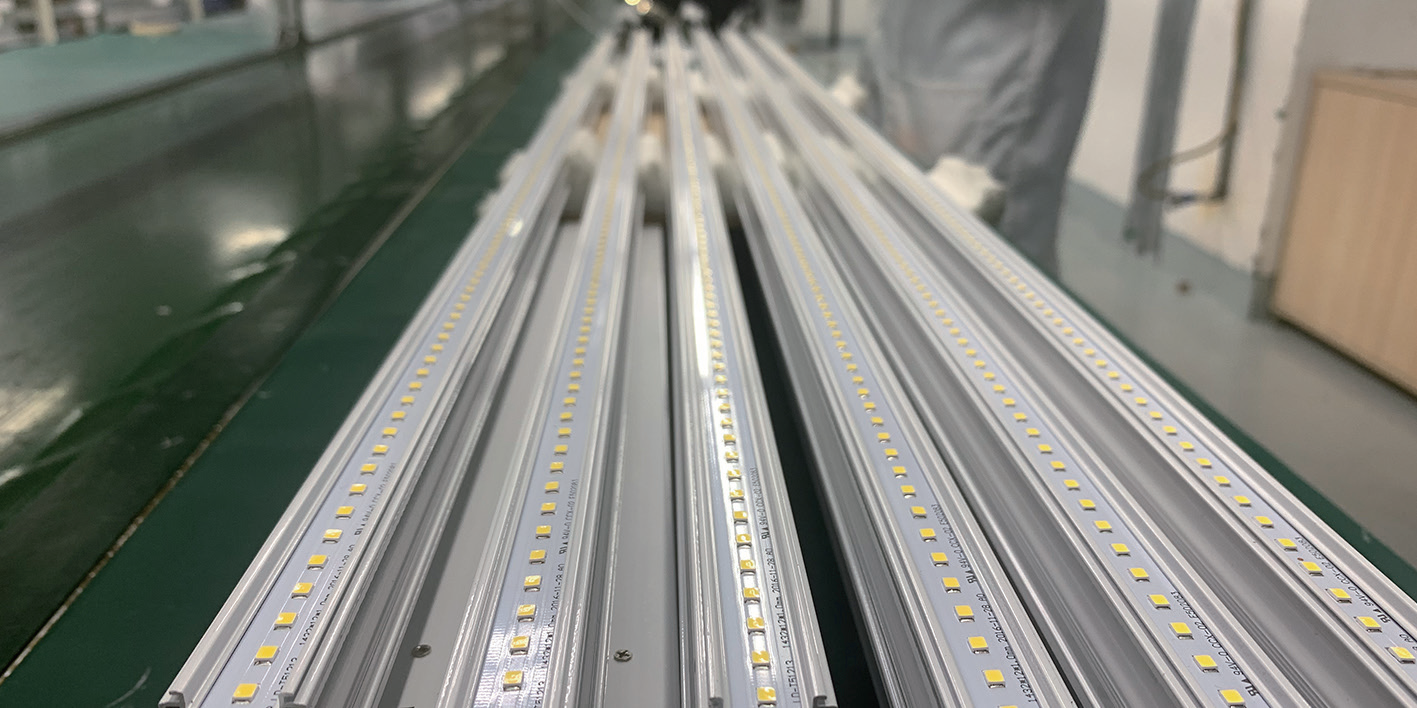
When buyers call a reputable LED strip light company, they expect predictable results. Yet I still see the same two failures: mismatched power converters and wrong lumen targets. Early on, around March 2017, I supervised a rollout of SMD2835 120LEDs/m strips in a Pokhara café; installers used undersized LED drivers and the strips dimmed halfway down long runs — voltage drop was the culprit, and the café logged a 12% drop in peak display brightness during evening hours. That taught me to insist on amp-rated runs and voltage-drop calculations for any run over 5 meters. Believe me, that caught me off-guard.
Technically speaking, the prevalent mistakes are simple to name but harder to correct in the field: mismatched dimming protocol (PWM vs. analog), poor thermal planning (no heatsink or inadequate adhesive on aluminum channels), and ignoring CRI for retail displays. These are not abstract terms: PWM dimming can introduce flicker at low dim levels, and low CRI (below 80) will wash out warm tones on textiles. I prefer to specify a minimum CRI 90 for clothing displays and choose IP66-rated options only where moisture or dust is real. A short checklist I carry now: correct LED drivers per run, measure voltage drop, specify CRI and IP rating. Small checks. Big difference.
Why do these errors persist?
Mostly because decisions are rushed or cost-driven. Suppliers promise “same light, lower price” without detailing the trade-offs in thermal life, lumen depreciation, or compatibility with existing dimmers. I once swapped an 18W linear for a 24W LED flexible strip in a retail fit-out to reach targeted lux levels; returns for warranty dropped by 18% over six months after we corrected the driver and heat path. That was in June 2020, and the client still references that install as a turning point.
Looking Forward: New Principles and Practical Metrics
What changes next? I focus on two directions: smarter power management and modular product choices. New power converter designs reduce losses across long runs, and segmented LED flexible strips — the 5 cm cuttable types with integrated current regulation — let us design uniform brightness without complex parallel feeds. When I spec projects now, I consider a modular template: short segments, distributed drivers, and thermal channels for every run. This approach lowers risk (less voltage drop) and makes maintenance easier — and yes, it speeds up installation in crowded sites like Thamel or factory floors.
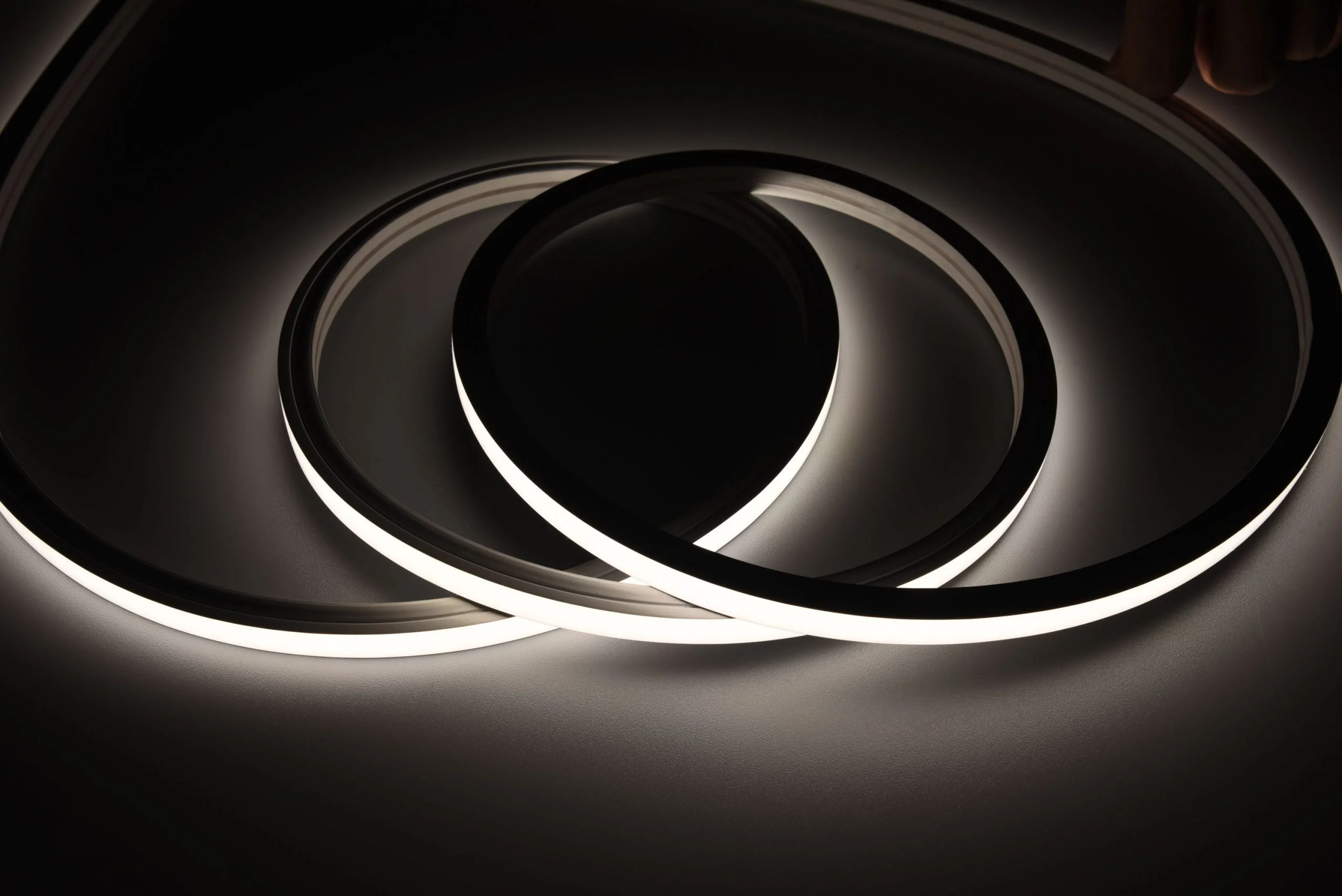
Let me give one concrete case: in December 2022 we retrofitted a 40-meter display corridor with IP54 LED flexible strips (SMD5050, 60LEDs/m) and distributed 24V drivers every 8 meters. The measured lumen uniformity improved from 68% to 92% and power loss at the far end fell below 6% — measurable, not just claimed. — and installers appreciated the fewer wire joins. From that experience I recommend three evaluation metrics when choosing solutions:
1) Electrical continuity and voltage-drop tolerance: specify run length, expected current, and allowable lumen loss (percentage). 2) Optical suitability: CRI target (e.g., CRI 90 for retail), beam angle, and lumens per metre for your application. 3) Serviceability: modular segments, accessible drivers, and clear IP rating matching site conditions. Apply these consistently and you will see fewer returns, steadier light levels, and easier maintenance schedules (I track failure rates monthly).
I have been doing this work for over 18 years in B2B lighting supply and installation — from showroom upgrades in Kathmandu to factory aisle lighting in Biratnagar — and I trust the discipline of measurement more than marketing claims. If you want a vendor who documents spec, run, and measured results, consider speaking with LEDIA Lighting.