
Introduction: When Room Design Meets Real Voices
Meetings break when people say “sorry, can you repeat?” Wi, it starts small, then it eats time. Your conference room mic system can fix that or make it worse. In many teams, surveys show minutes slip away, and the message slips too. Folks lean in. They speak up. They give up. Data tells us the loss adds up across the week—funny how that works, right?
Let’s be clear, zanmi. Audio is not just hardware; it is a chain. Room acoustics, mic pickup, DSP, network path, and the codec all matter. If one link is weak, clarity falls. And when you mix remote and in-room, the friction shows. Voices smear. SNR drops. AEC fights to keep up. Then people turn their heads, and the mic misses it—like a taxi that just passed your stop. So, what trade is smart, and what trade is costly (for real)? Let’s walk it through, side by side, so you can compare with ease. Now we move to the root of the issue.
Legacy Choices vs Real Needs: Where Old Habits Break
Why do legacy setups stumble?
Talk with a wireless microphone manufacturer and they’ll tell you: the hard part isn’t buying mics; it’s managing the whole signal path. Old table mics catch paper shuffles and cup hits before they catch soft voices. Boundary mics get boxed by room echo. Analog daisy chains invite hum from power converters and lose gain structure control. RF spectrum gets crowded, and dropouts appear right when the big idea lands—ouch. Beamforming helps, but if lobes aren’t aimed or calibrated with the actual seating plan, off-axis rejection fails. Then SNR falls, and AEC works overtime. Look, it’s simpler than you think: the wrong pickup geometry multiplies noise faster than any DSP can clean it.
Hidden pains stack up. Battery juggling kills flow; one low pack, and a key chair goes silent. Dante or AES67 can be clean, but mixed firmware and weak QoS spike jitter. Latency budget sneaks higher when you add plugins and cloud codecs on top—remote people hear a half-beat late and start to overlap. Ceiling tiles look neat, yet they can amplify HVAC hiss if placement ignores airflow paths. Table arrays sound close, yet they amplify chair squeaks and keyboard taps. Without clear gain-before-feedback targets and auto-mix rules, side chatter cuts the main talk. A small tweak—mic directivity matched to seating, PoE for stable power, DSP near the edge—often beats a pricey box. Wi, piti piti zwazo fè nich li: small fixes add up.
New Principles, Clearer Meetings: Comparing Paths That Actually Work
What’s Next
Here’s the better path: pick capture first, then processing, then transport. Modern ceiling arrays with adaptive beamforming track talkers as they turn heads. Table goosenecks offer strong proximity effect for soft voices, but require etiquette. Compare them by result, not looks. Place DSP on edge computing nodes close to the mics, so AEC and noise suppression see clean signals with low round-trip. Then carry audio over Dante or AES67 with QoS tags and VLANs—network discipline, not guesswork. A skilled mic manufacturer will map coverage to seats, not to furniture lines. It seems fussy—until the meeting just works.
Let’s weigh the trades. Wireless gives flexibility, but you need RF coordination and a recharge plan; wired gives stability and consistent gain, but less agility. Beamforming reduces clutter, but you must tune lobe width to keep room tone low. Per-seat mics deliver precision and higher STI, yet they add channels to manage. Hybrid meetings want end-to-end latency under 50 ms, stable codecs, and deterministic AEC reference paths. PoE simplifies uptime; redundant switches lower risk. And AI noise removal? Good for HVAC rumble and keyboard taps, but don’t let it chase the tail of speech harmonics—set thresholds with care. The comparative win goes to systems that balance pickup geometry, DSP placement, and network hygiene. When these align, people stop repeating themselves—and confidence returns.
So what did we learn? Old habits hide costs. New principles cut them. Put the voice first, then design the chain around it—funny how the simple rule takes us the farthest.
Practical Wrap-Up: How to Choose Without Guessing
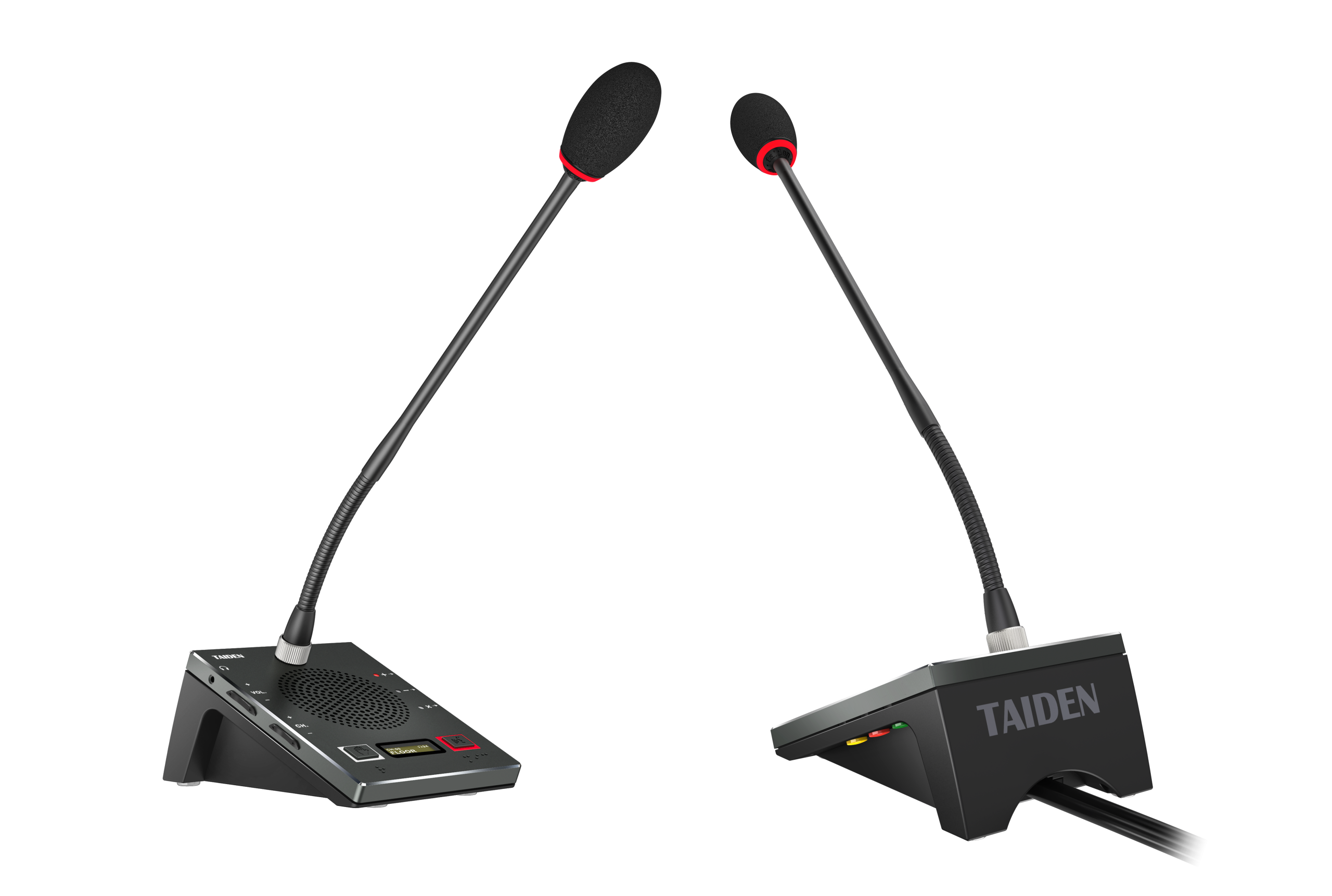
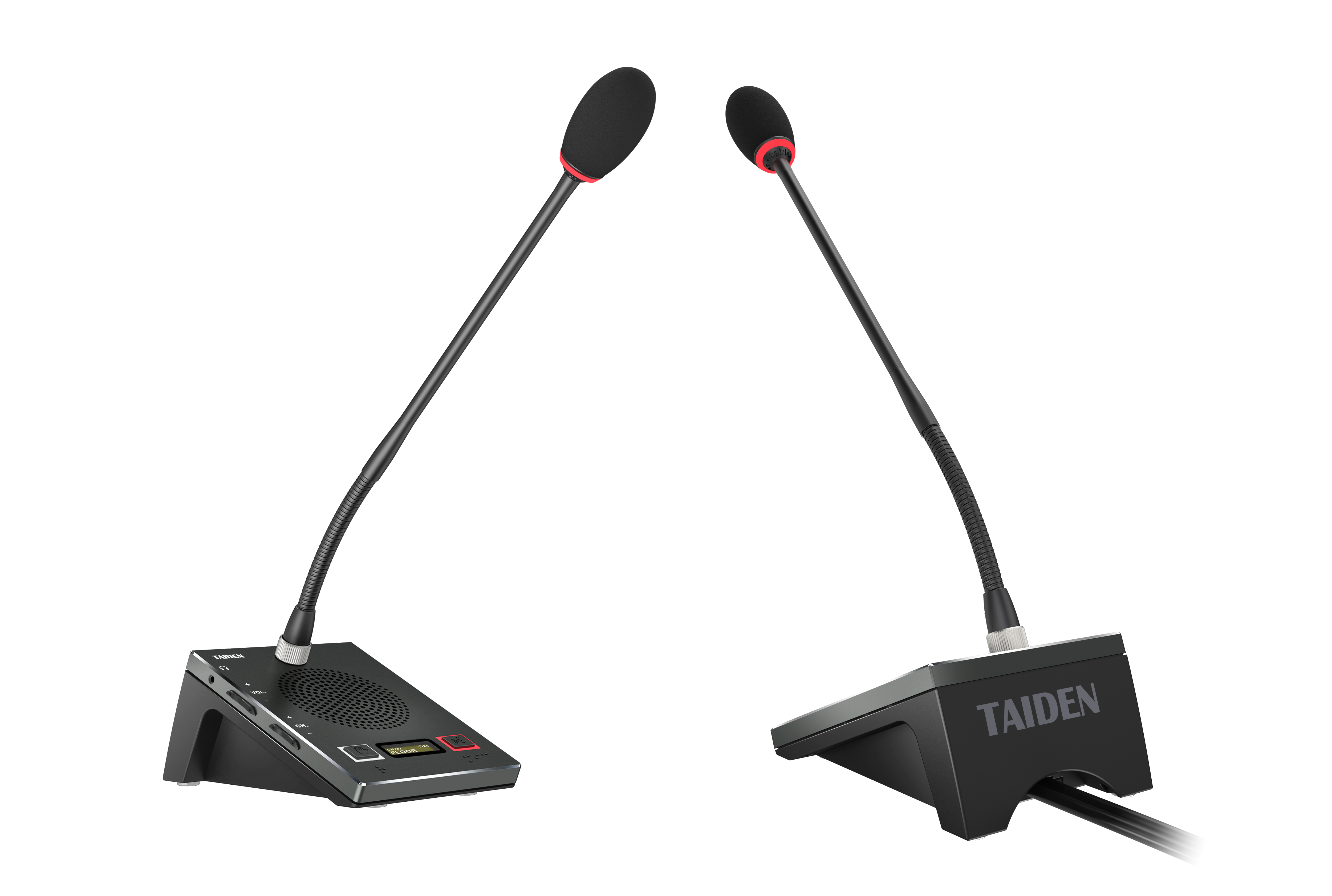
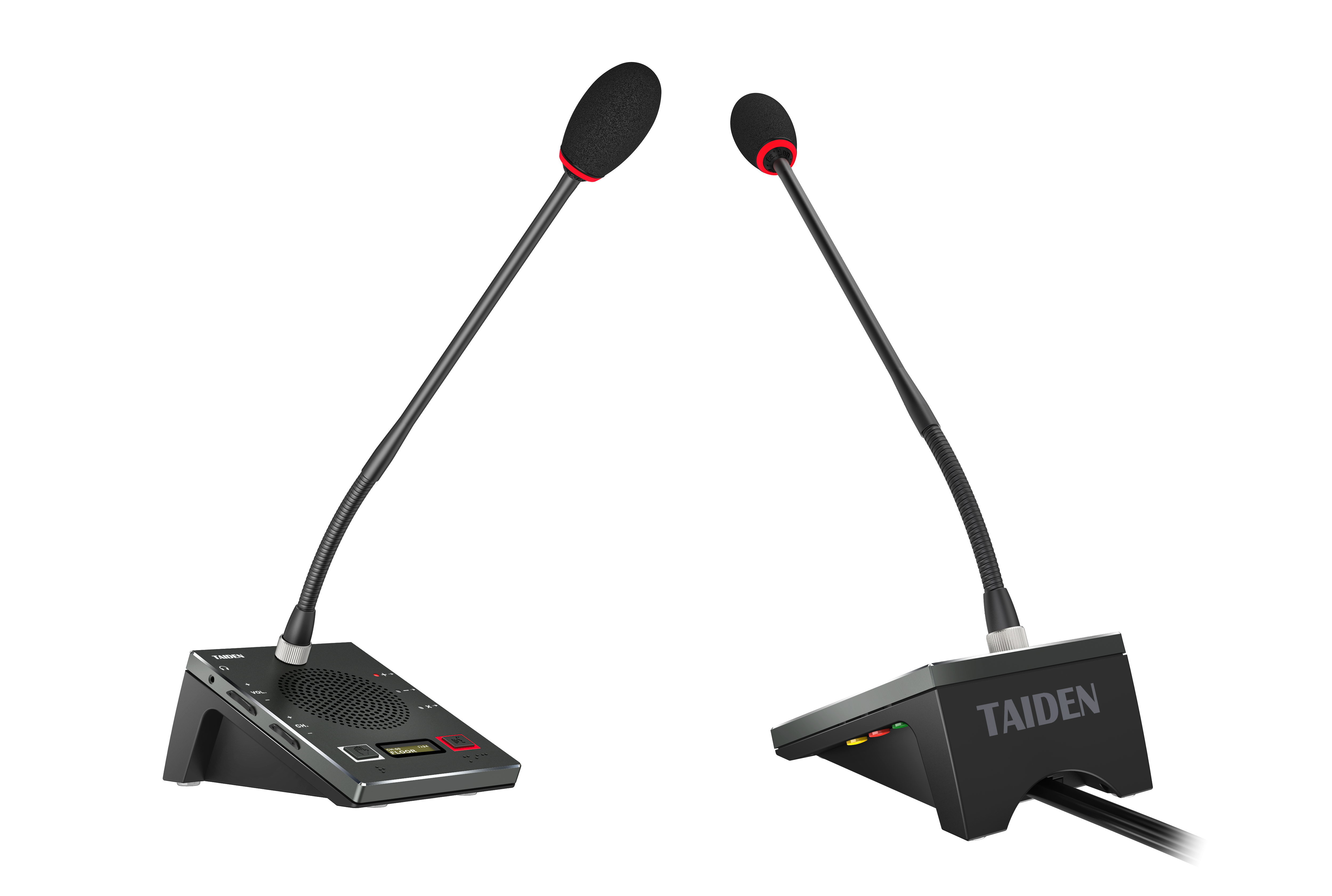
Use three checks to make a clean call. First, intelligibility: ask for measured STI or equivalent voice clarity tests across every seat, not just the front row. Second, latency and stability: confirm end-to-end delay, codec settings, and jitter control with QoS; listen for double-talk behavior during AEC stress. Third, coverage consistency: verify beamforming or mic placement yields even level within ±3 dB across the table, with solid gain-before-feedback. If a vendor can show those, the rest—battery plans, firmware updates, remote monitoring—will follow in order. Keep it simple, keep it honest, and let the room speak well. See how these ideas show up in real systems from partners like TAIDEN.