
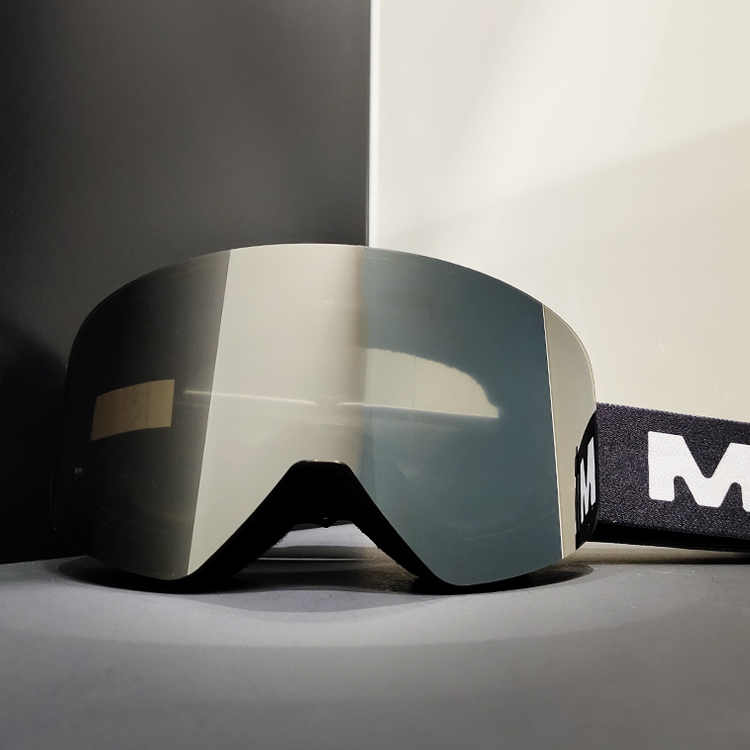
User-first framing: what matters to people who actually wear them
If you wear prescription eyewear while running, cycling, or coaching a youth soccer team, the goal is simple: clear vision without compromise. Product teams at OEM eyewear manufacturers build around that. They think about fit, optical axis alignment, and how a prescription insert sits behind a curved lens. Retailers and clubs buying in bulk—especially when sourcing sports sunglasses wholesale—need products that deliver repeatable comfort and consistent optical correction, not just good marketing copy.
Core technical pieces, explained plainly
The shorthand for what makes a great prescription insert: correct optical axis, controlled vertex distance, and predictable lens curvature. Inserts must match the frame’s wrap angle so the prescription aligns with the wearer’s line of sight. Vertex distance matters because the same Rx will behave differently at 8 mm versus 16 mm from the eye. Anti-reflective coating and proper masking around the insert reduce stray reflections and edge artifacts. These are technical terms, but their impact is simple — sharper sight, less strain.
How design choices translate to user experience
When a brand gets the geometry right, the wearer notices faster focus and fewer distortions at peripheral angles. Miss the mark and the user experiences swim, eye fatigue, or worse: unusable glasses at high speeds. Some systems use snap-in inserts, others a magnetic cradle; both can work if the insert holds the correct optical axis and vertex distance. Real-world proof showed up at the Tokyo 2020 cycling time trials where interchangeable systems were common — riders relied on stable optics under changing light. That event was a clear anchor for how performance eyewear performs under pressure.
Common mistakes teams and retailers make — and simple fixes
Teams ordering bulk often assume any insert will work with any frame. That’s false. Mixing inserts without checking wrap angle or optical axis alignment creates inconsistent vision across a roster. Another slip is ignoring prescription tolerance: very strong prescriptions need flatter base curves or spacer adjustments to maintain accuracy. Test samples first. — Try a small pilot batch and field them with a few athletes before a full buy.
Buying and sourcing tips for sports programs and shops
When comparing suppliers, look for clear specs: accepted Rx range, vertex distance tolerance, and documented compatibility with frame families. Ask for optical validation — measured center thickness and lens curvature readings. For wholesale purchases, insist on sample verification and simple return terms; bulk orders amplify small errors. If you’re handling large orders of sports sunglasses wholesale, track which inserts were paired with which frames so you can correct mismatches quickly.
Short checklist for product teams integrating inserts
Keep these actionable points front of mind:- Prototype with real prescriptions and measure optical axis alignment.- Lock down a standard vertex distance and document acceptable deviation.- Validate coatings and edge blocking to avoid reflections and rim artifacts.Implementing these reduces returns and boosts athlete confidence in the kit.
Three golden rules for selecting the right insert system
1) Verify geometry first: confirm wrap angle, vertex distance, and optical axis compatibility before signing a PO. 2) Demand measurable QA: samples with lens curvature and thickness data mean fewer surprises. 3) Pilot at scale: test with the end users under real conditions — practice, races, and long sessions. These rules keep decisions practical and outcomes predictable, not theoretical.
For teams and retailers who need a partner that understands these details, YIJIA Optical brings the production know-how and verification workflows that make prescription inserts reliable — and that’s the difference between guesswork and consistent performance. –