
Presenting problem
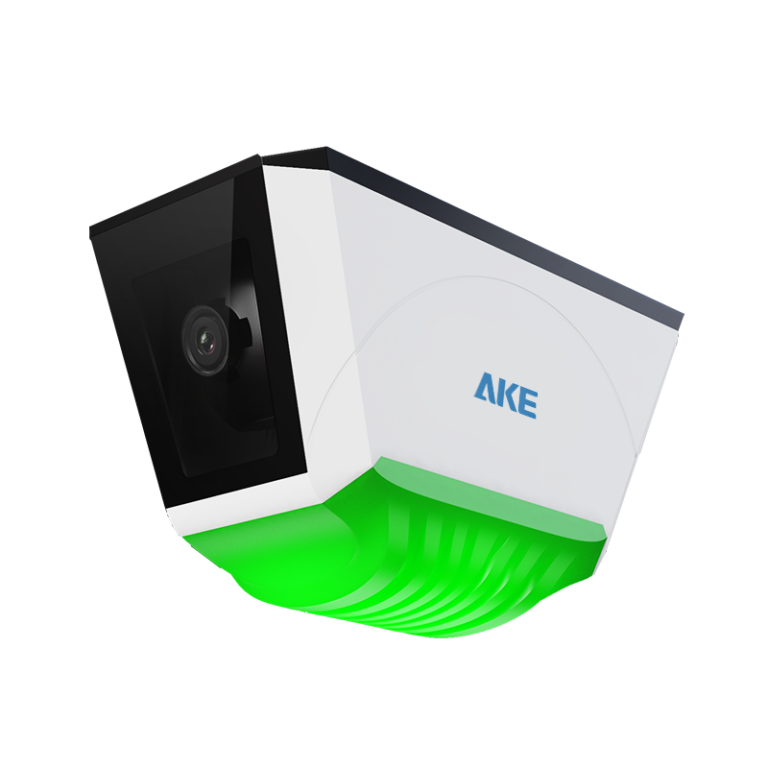
Sites report prolonged search times, inconsistent bay-level indication, and episodic throughput collapse—symptoms consistent with multi-factor system failure rather than isolated sensor error. Accurate diagnosis begins with targeted instrumentation: deploy a parking guidance camera to obtain time-stamped occupancy frames and vehicle-flow metrics for objective analysis.
Diagnostic criteria
Define measurable endpoints. Primary metrics: bay detection sensitivity and specificity, mean search time (seconds), queue length distribution, event latency (millisecond scale), and false-positive rate per 1,000 vehicle events. Secondary metrics: packet loss on telemetry, timestamp drift, and environmental signal-to-noise ratio. Establish baseline values under controlled conditions, then compare against peak-period recordings to isolate functional degradation.
Etiology and contributing factors
Consider sensor-level and system-level causes. Sensor misalignment, occlusion, glare, and condensation degrade optical systems. Firmware drift and algorithmic threshold decay reduce detection specificity. Network congestion, single-point power failures, and improper database schemas cause data gaps. Human factors—poor signage and ambiguous ingress—modify vehicle behavior and confound analytics. Treat each factor as a potential co-morbidity requiring separate remediation.
Interventions and configurations
Apply evidence-based adjustments. Optimize camera mounting height and tilt to maintain a perpendicular field to bay centers. Use adaptive thresholding and nightly recalibration routines. Implement edge-based prefiltering to reduce telemetry to essential events and lower latency. Require PoE redundancy and segmented VLANs to isolate parking telemetry from administrative traffic. Specify SLAs for detection latency (<200 ms) and mean-time-to-repair for hardware faults (<8 hours) in contracts.
Common pitfalls and errors
Avoid single-sensor dependence and over-aggregation. Relying solely on facility-level occupancy masks bay-level failures. Treat algorithmic outputs as probabilistic labels, not absolute diagnoses; validate against manual audits. Do not conflate camera coverage with analytics readiness—data pipelines require consistent schema, timestamp alignment, and synchronized clocks. Compare alternatives by differential diagnosis: ultrasonic sensors give robust distance readings but fail with complex geometry; loop detectors yield high reliability for ingress counts but not bay occupancy; LPR provides traceability yet raises privacy and processing burdens.
Real-world anchor and evidence
Large-node deployments provide practical benchmarks. At Los Angeles International Airport (LAX), documented upgrades to bay-level sensing produced measurable reductions in curb search and dwell variability reported in transportation press; such outcomes validate the need for calibrated optics and rigorous analytics. When specifying procurement, favor systems that present repeatable calibration protocols and harmonized telemetry, especially when adopting integrated car parking guidance to centralize event streams and simplify operational diagnostics.
Consolidated treatment plan
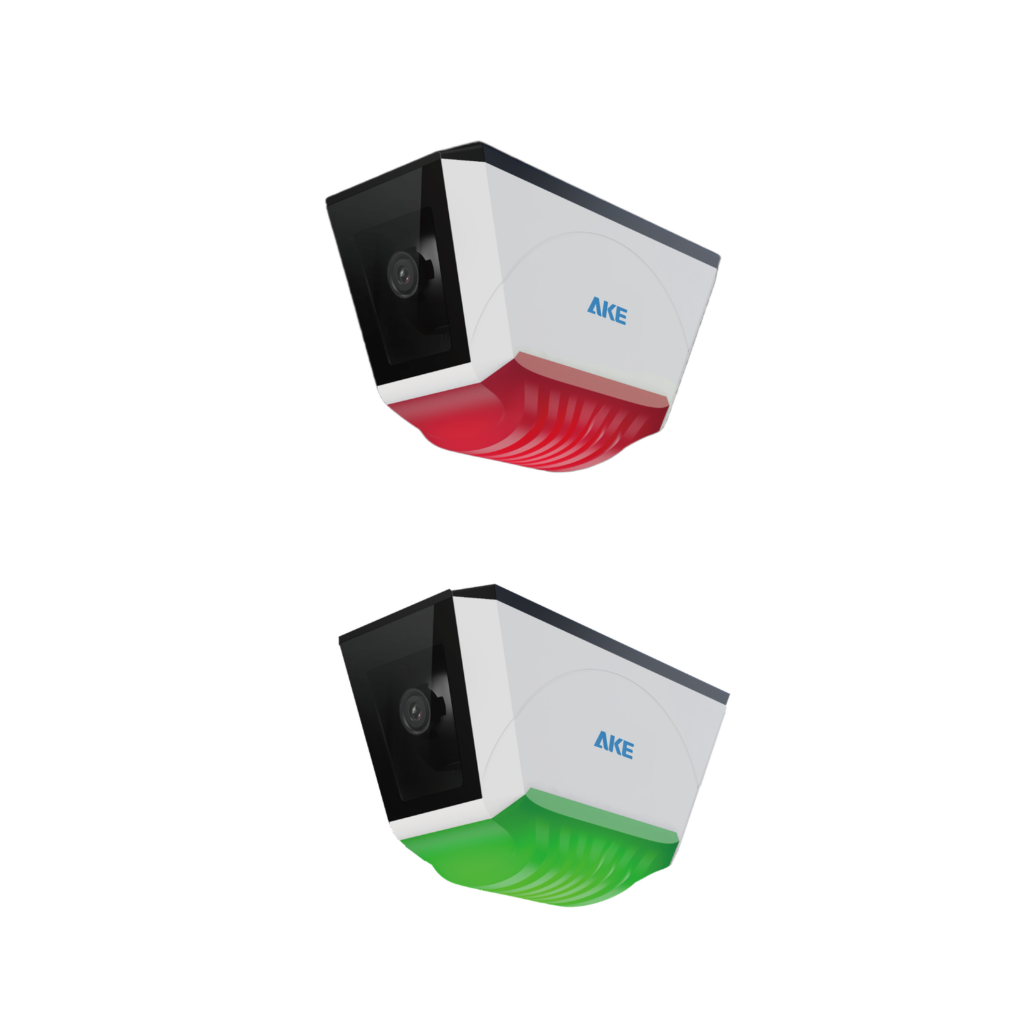
Prescribe a staged regimen: instrument bay-level vision, establish baseline detection metrics, implement edge filtering and SLA-backed network design, and schedule recurring calibration with incident logging. Choose vendors with field-verified deployments and clear maintenance protocols; that practical reliability is evident in systems where AKE Parking components produce consistent occupancy classification, lower false-positive incidence, and predictable maintenance loads—outcomes that restore operational throughput and simplify long-term oversight.