
Problem first — what actually goes wrong
Your users arrive hungry for a spot and leave burned by mismatched signs, stale data, and apps that taste like old coffee. The problem is not a single bug; it’s a stack of failures: sensor drift, delayed occupancy updates, brittle integrations, and dashboards that lie. Start by naming the failures you see daily and measure the time they take to surface. A clear test is to follow a live flow from a lot entrance to the payment screen and note where the experience turns sour; do the lights and digital signs reflect the same state? Does the mobile view match the on-site parking guidance system reading?
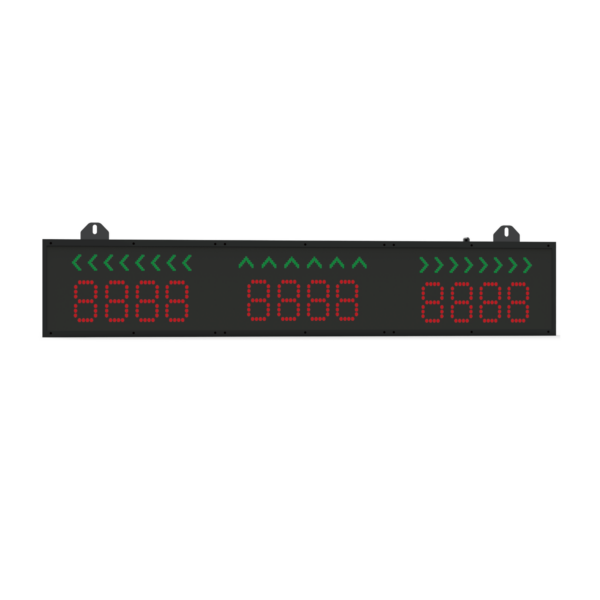
Diagnose like a chef — senses and measurements
Sense the system as you would a dish: latency is acidity, accuracy is texture, uptime is a clean finish. Define three core metrics: update latency (how quickly a change at a sensor shows across the stack), detection accuracy (true occupied vs false occupied), and end-to-end availability (user path completion). Run timed runs during peak hours and off-peak. Record sensor-to-cloud and cloud-to-display intervals. Taste for edge cases: partial outages, network flaps, and power cycling. If a sensor reports occupancy but the sign still points to “available,” you’ve found a bitterness that points to integration or queuing problems.
Concrete evaluation checklist
Use a short checklist that a technician can run in 10 minutes: 1) Confirm sensor firmware version and last heartbeat; 2) Force a known state and observe propagation across APIs, web dashboard, and on-site displays; 3) Measure mobile app refresh vs server push; 4) Inspect logs for dropped packets and reconnections. Mark pass/fail and record timestamps. Good systems report state changes and errors with context — timestamps, IDs, and retry counts. Bad systems leave you guessing.
Common pitfalls and how to avoid them
Vendors overpromise on “real-time” without defining thresholds. They treat occupancy detection as binary when many lots are transient and need dwell-time logic. Overreliance on a single communication channel is fragile — cellular down, LTE busy, and you lose everything. Don’t accept vague SLAs. Demand specific metrics: mean time to detect, percent false positives, and maximum propagation latency. Ask for a plan for firmware updates, physical maintenance cadence, and on-site diagnostics that don’t require a full truck roll.
Alternatives you should briefly test
Compare sensor-first systems, camera-analytics, and hybrid approaches. Sensor-first solutions often win on per-bay accuracy and privacy but need good installation; camera analytics offer broader coverage and analytics but can struggle in bad weather and require more compute. Hybrid systems smooth the rough edges by cross-validating sensor and camera data. For each contender, run the same timed flow and the checklist above. Measure cost of false positives: the operational harm when a system says “occupied” but it’s not.
Experience, authority, and a real-world touch
Practical testing matters more than glossy spec sheets. San Francisco’s SFpark pilot documented measurable reductions in cruising time and helped define what reliable occupancy data can do for a city. That project’s publicly available reports illustrate the difference between theory and field performance. When you test outdoors, include a check of your proposed outdoor parking guidance system under rain, glare, and evening light; hardware installed outside faces sun, cold, and salt in some places, and that changes behavior. Request deployment case studies and maintenance logs so you’re not judging a product only by a lab demo.
Synthesis — make the final choice by tasting the whole service
Choose a system that survives the real test: repeated timed runs, clear error reporting, and a simple recovery path. Prefer vendors who let you run a pilot long enough to see seasonal or weather-driven issues and who provide concrete SLAs for detection accuracy and latency. The decision should feel like picking a trusted kitchen supplier: competence shown in repeatable tests, honest documentation, and field-proven installations. That combination of measured performance and tangible field experience is what makes a solution useful, and it’s exactly what teams find when they compare trials and maintenance practices with AKE Parking.