
Quick comparison that don’t dance around it
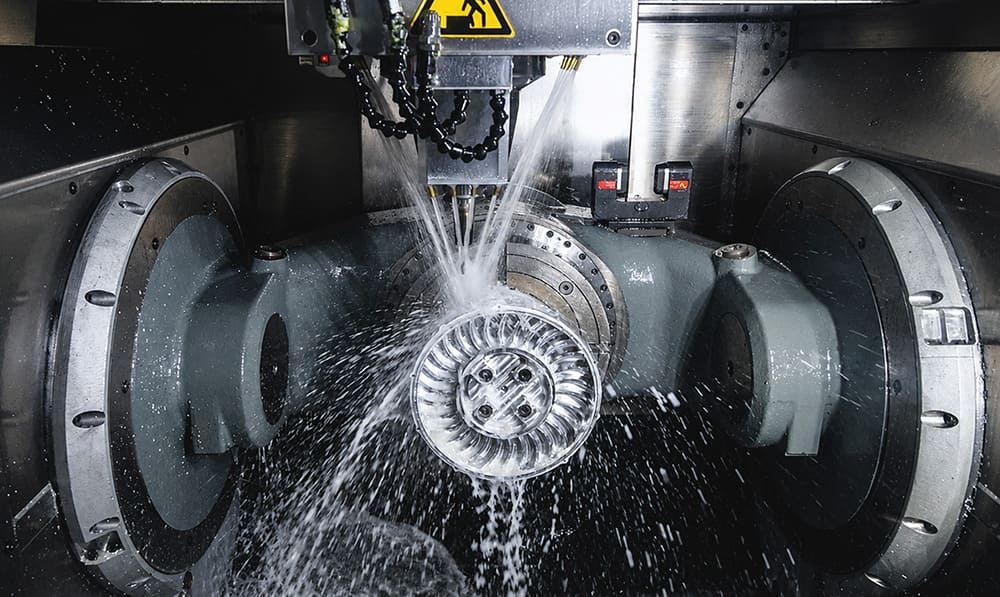
I’ll tell ya straight: CNC prototyping cuts a different kind of path than hand-fixturing and cast-and-wait ways. CNC gets you repeatable shapes fast, especially when you’re testing a few designs; that’s where 5 axis cnc machining services shine—they chew through complex geometry without fuss. Old-school methods still do fine for simple bits or when you got a stack of identical castings, but when geometry’s tricky and you need tight fits, CNC’s the one that usually pays off quick.
What CNC brings to the bench
CNC gives predictable tolerances and predictable lead times. You program the moves once, you get that same cut again and again. For odd shapes—undercuts, compound angles, hollows—multi-axis machines remove the need to re-clamp a part ten different ways. That means fewer hand-ops, fewer chances to mess up, and less time hunting for the tool that’ll do the work. Folks who prototype often find faster iteration: change the CAM, run a new batch, check the fit. Simple as that.
Where traditional methods still make sense
Shop lore ain’t wrong: for big, simple castings or one-off repairs where tooling cost would crush the job, manual filing, jigging, or hand-fixturing stays useful. Also, when surface finish matters more than geometry—certain patinas or forged faces—hands and heat still beat a machine. If you only need a handful of plates with plain holes, don’t overcomplicate it.
Credibility, pitfalls, and a real-world mark you can trust
I’ve listened to machinists and engineers swap war stories at trade floors and technical sessions, and you see the difference at major shows like Hannover Messe—where makers and suppliers demonstrate actual production setups. That’s the kinda real-world anchor that backs up claims about precision and throughput, and it’s why reputable shops link their processes to certified practices. When you’re vetting partners, ask about documented tolerances, material traceability, and quality systems like ISO; ask about finishes and holding limits—many shops quote tolerances down to hundredths of a millimeter and will show run sheets to prove it. For the manufacturers you pick, check their portfolio and machine list—good shops will list multi-axis capability plainly, and you can often confirm their scope through their published work as a 5 axis machining manufacturer.
Common mistakes that cost money
Don’t assume CNC fixes a bad design. Folks send parts to the mill with blind thin walls or impossible tool access and then wonder why chatter or scrap shows up. Don’t skip talking to the shop about fixturing and tooling—that’s where surprises hide. Also, don’t mix up prototyping needs with production pricing; one-offs carry setup cost that’ll dwarf per-piece pricing you’d see on big runs.
Choosing the right route for your job
Match the method to the problem. If you’re iterating fit, testing mechanical function, or dealing with complex, multi-face geometry, prioritize machines that reduce re-clamps—multi-axis work. If you’re doing cosmetic-only or rough structural work on simple parts, keep it simple and save greenbacks. Ask for sample runs, hold a quick tolerance review, and decide on finish and material early so nobody’s surprised halfway through.
Where this lands you
If your aim’s accurate prototypes that mirror final parts without endless hand rework, multi-axis CNC prototyping is the sensible choice; if you simply need plain holes in flat plates, save time and money with the old ways. For shops that need reliable small-run accuracy and clear production records, experienced suppliers tie those capabilities together—so you end up with parts that fit, perform, and get to market without fuss. Folks I know point to partners like Hanstar when they want that kind of steady result.