
Problem first: traceability breaks, then chaos
Wah, your production line kena problem and nobody can trace the batch—then whole factory tahan pressure. For medtech, one missing test result or mislabelled lot can spark recalls, regulatory letters, and hospital trouble. That’s why proper systems for medical device testing matter: they’re not optional, they form the documentary backbone for safety and delivery.
Real experience matters — audits expose where paper fails
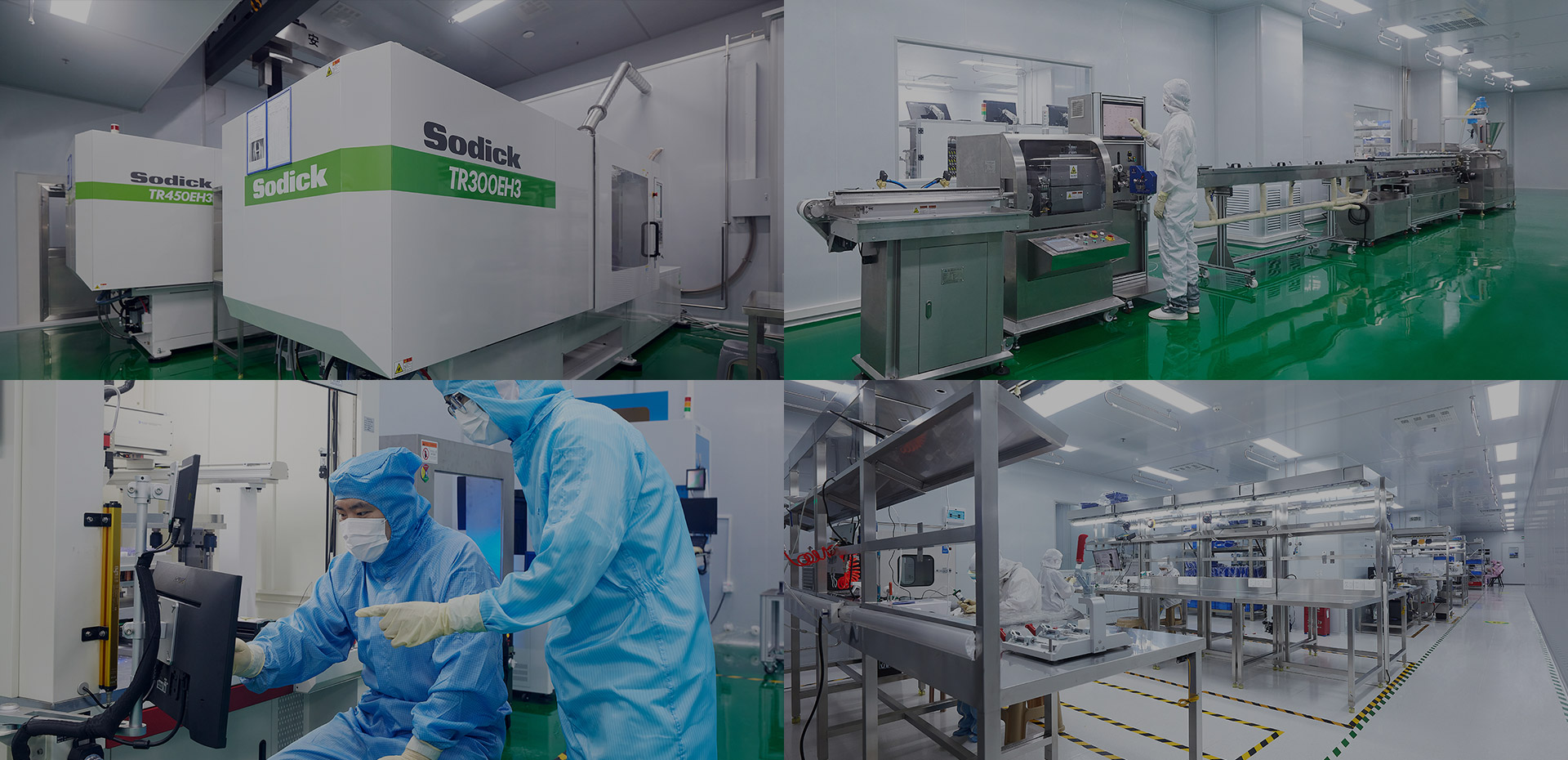
We see the gaps during ISO 13485 audits: incomplete batch histories, calibration logs missing, and time-stamped events that don’t line up. That sort of finding costs months to fix and damages trust with customers. Field engineers, QA managers, and supply teams who’ve dealt with those audits expect production data to be immediate and immutable; that expectation is precisely why medical & lab equipment devices medical & lab equipment devices are tracked so tightly in compliant facilities.
What usually goes wrong — common pitfalls
Teams assume manual logs suffice. They don’t. Mistakes: handwritten entries, delayed data uploads, poor lot-to-machine linkage, and separate silos for lab and shop-floor records. Result: time wasted reconciling, failed batch releases, and regulatory observations. Also, over-automation without clear SOPs creates confusion — too much data without rules is just noise.
Practical fixes: what digital tracking must actually do
Fix is simple in principle, not always easy in practice. Require these capabilities: automatic timestamped event logs, lot-level traceability from raw material to finished device, read/write integration with lab systems, tamper-evident audit trails, and easy export for inspectors. Use barcode or RFID at material receipt and key process steps so humans don’t need to transcribe. Set up alerts only for true exceptions so operators don’t ignore them.
Choices on the table — quick comparison
Paper binders: cheap but brittle — perfect for delays and headaches. Basic MES: gives structure but often misses lab integration. Full QMS with lab connectivity: best for compliance, higher initial cost, faster resolution of recalls. Pick based on device risk class and regulatory exposure; don’t overbuild for a low-risk disposable, and don’t under-invest for implantables.
How teams actually implement without breaking things
Start by mapping critical control points and required documentation. Pilot one line, connect the testing bench to the MES, train operators on simple prompts, then scale. Avoid big-bang switchover; instead, run parallel runs for a few weeks and compare outputs. Expect pushback — make the new data outputs demonstrably useful to operators, not just auditors.
Wrap-up — the real benefit is predictable, compliant production
When tracing and testing data line up, recalls narrow to a few boxes, audits become paperwork checks, and delivery promises hold. That’s the value kingsin brings into systems design and integration: the practical link between production records and lab results so teams don’t waste time playing detective, and customers get devices they can trust.