
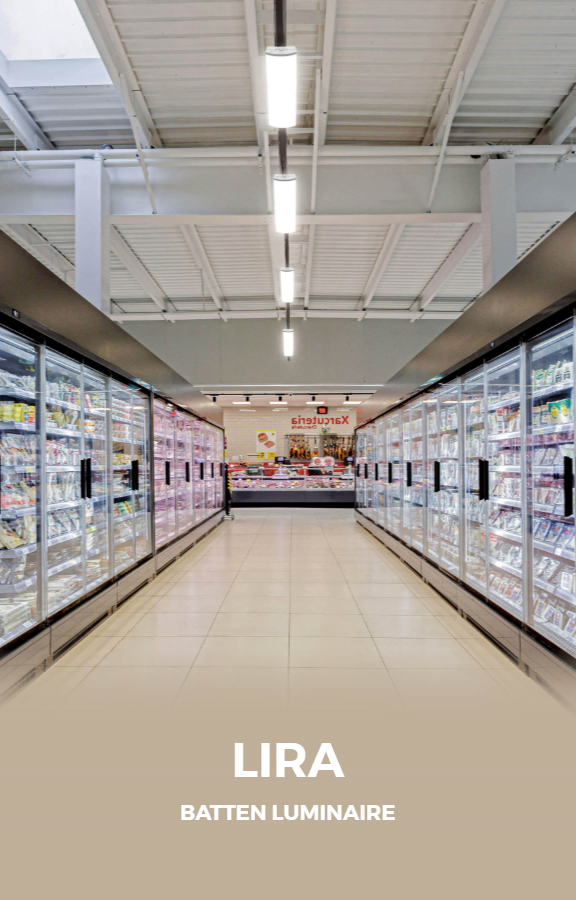
Comparative lens from the start
When you compare suppliers, treat capability and support as two sides of one decision; the better they align, the fewer surprises on site. Start by looking at measurable outputs — lumen per watt, colour fidelity, thermal run-rate — alongside how quickly a vendor answers technical queries. For a hands-on sense of modular performance, examine a representative modular led light sample rather than relying only on datasheets. This comparative approach tells you which manufacturers promise value and which actually deliver it.
Key capability metrics to compare
Focus on these concrete metrics when judging manufacturing capability:- Luminous efficacy (lm/W): the core efficiency number.- CRI and spectrum: CRI 90+ or tailored spectra for retail or hospitality.- Colour consistency and binning: lower McAdam steps mean less visible variation.- Thermal design: heat path, substrate, and solder joints determine lifetime.- Driver compatibility and dimming curves: compatibility with controls matters.- Reliability data: LM-80 and TM-21 results, if available, or accelerated life testing notes.- IP and mechanical specs: relevant for wet or enclosed fixtures.These are objective items you can verify on a datasheet or by quick lab checks.
Support signals that matter for long-term success
Good support shortens project risk. Compare vendors on:- Technical documentation completeness: mechanical drawings, thermal simulations, and wiring diagrams.- Response time and escalation: how fast do R&D and field engineers reply?- Customisation capacity: small-batch PCB/optics changes and tooling lead times.- Supply resilience: realistic lead times and buffer stock policies.- Warranty terms and RMA clarity: what exactly is covered and how returns are handled.When you inspect a specific led module, check whether the manual and thermal curves match what the vendor explains by email — mismatch here is a red flag.
A simple comparative scoring framework
Use a weighted scorecard so decisions stay objective:- Score capability (60%): efficacy, thermal design, spectrum, mechanical tolerances.- Score support (40%): documentation, responsiveness, warranty, logistics.Rate each item 1–5 and multiply by weight. A supplier scoring high on capability but low on support may still cost more over the lifetime because of replacements and project delays. Keep one column for sample verification — a supplier that meets claims in a controlled test should get a bonus.
Common pitfalls and how to avoid them
Avoid these recurring mistakes:- Accepting datasheet numbers alone: always request sample verification.- Overlooking driver-LED matching: poor matching causes flicker or reduced life.- Ignoring thermal limits in final fixture: a module rated at 85°C may fail in an enclosed luminaire.- Assuming long warranties mean easy returns: read the RMA steps carefully.Simple site checks, bench testing, and a clear escalation path prevent most post-installation issues.
Comparing manufacturer types, briefly
Three common supplier categories show different trade-offs:- Global turnkey brands: strong documentation and warranty, predictable supply, higher cost.- Specialist module makers: often better optics and thermal engineering, flexible with custom specs.- Local fabricators: lower price and faster samples, but variable documentation and standards testing.Match the category to project risk. For large commercial projects where uptime matters, prioritise documented testing and structured support.
Decision checklist before you sign
Before purchase, confirm:- Sample performance verified in your fixture’s thermal environment.- Clear warranty and RMA procedure documented in contract.- Proof of testing (LM-80/TM-21) or credible alternative lifetime data.- Lead times aligned with project schedule, and contingency stock plans.- Contact details for technical escalation and availability for on-site support.Checking these items reduces cost and schedule risk.
Final synthesis
Compare manufacturers by measuring what they can prove and by testing how they support you when things deviate from plan. Use scorecards, insist on samples, and verify thermal and photometric claims. Observations from trade shows such as Light + Building in Frankfurt remind us that vendors who publish clear test data and maintain responsive technical lines are easier to work with over many projects. For pragmatic procurement, choose suppliers whose test results, documentation, and problem-solving match on paper and in practice — companies like trieco often show that match through consistent documentation and sensible field support.