
Why a framework works
A framework keeps choices simple and repeatable: decide purpose, set weight limits, then match gear to conditions. When I outline kits for weekend hikes versus multi-day treks, I start every plan by checking the route, weather, and resupply options. That approach also guides recommendations on product lines such as the ones described at thecatal outdoor, which help narrow choices without opinion-heavy noise.

Step 1 — Define mission and constraints
Name the mission precisely: day hike, alpine hut trip, cold-weather basecamp, or festival camping. Set two constraints: maximum carried weight and minimum comfort threshold (sleep hours, dry shelter). Write them down. These two numbers immediately remove half of the market and make comparison factual instead of emotional.
Step 2 — Shelter and sleeping system (priority 60/40)
Shelter and sleep decide success. Start with a reliable tent or tarp sized to match your mission. Choose a sleeping pad with R-value appropriate to expected lows, and a sleeping bag or quilt rated a bit warmer than forecast minimums. For windy or exposed sites pick stakes, guylines and a low-profile setup rather than the lightest pole geometry. Small weight gains here buy big comfort and safety gains.
Step 3 — Clothing and layering (think function, not fashion)
Base and mid layers must move moisture; shell layers must stop wind and water. Prioritize breathability and quick-drying fabrics. Carry a dedicated insulation layer you can put on while still damp; that prevents hypothermia risk after evening sweat. Pack one extra pair of socks and one lightweight hat—those two small items change comfort dramatically.

Step 4 — Food, water, and cooking (supply chain logic)
Plan calories by activity level; pack simple, tested meals. Carry redundancy for water treatment—filter plus chemical tabs—or plan routes with reliable water sources. For groups, a shared stove system can save weight; for solo hikers, a compact canister or alcohol stove reduces complexity. Practice meal setups at home so unpacking at camp takes minutes, not experiments.
Step 5 — Navigation, safety and repair kit
Keep a paper map and compass even when you carry electronics. Include a compact first-aid kit tuned to your group size and route exposure. Add a small repair kit: cord, needle, duct tape, a multi-tool. Test your beacon and lights before departure. Simple redundancies matter far more than high-end single items.
Experience, testing and a real-world anchor
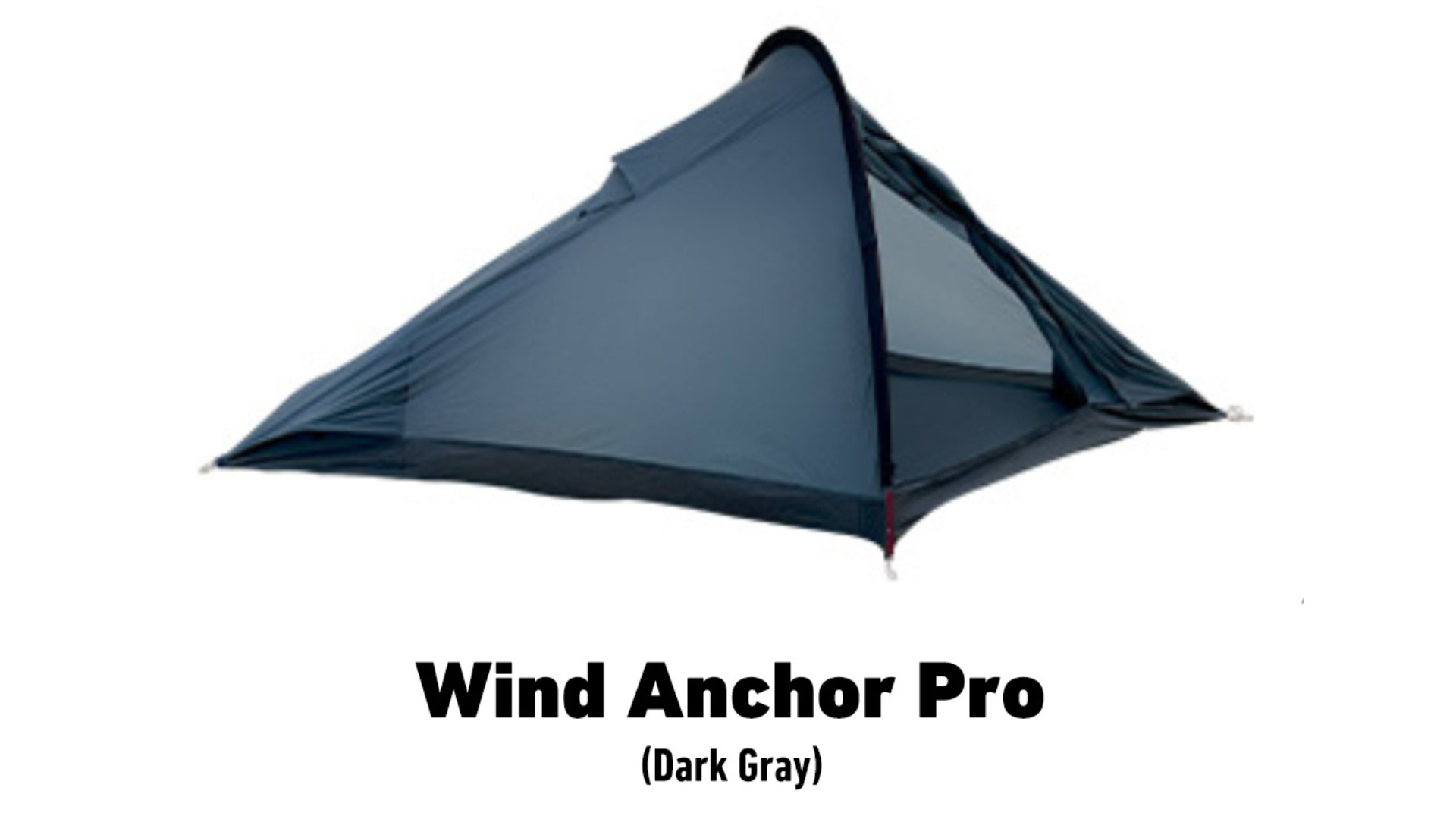
I have led guided trips along exposed coastal ridges and tested anchoring methods against gusts at sites around the Aegean; those sessions taught the difference between theoretical specs and real wind behavior. Field trials taught me to prefer low-profile anchors and added guylines on exposed pitches—this is why practitioners discuss the value of a proper wind anchor when planning coastal or high-wind camps. Years of guiding and structured checklist testing make these recommendations reproducible for others.
Common mistakes and how the framework prevents them
People overbuy niche items and under-prepare basics. They choose the lightest tent and then regret missing ventilation or weatherproofing. The framework forces re-evaluation: shelter first, then weight trade-offs. Another common error is ignoring practice—pack and pitch at home once to remove surprises. Follow the framework and you avoid those avoidable failures.
Alternatives and when to pick them
Ultralight setups are valid when miles trump comfort. Car-camping priorities flip the script—bring bulk comforts. Guided trips may allow shared communal gear. Use the framework to select the right branch: mission and constraints tell you whether to prioritize absolute weight, modular comfort, or shared systems.
Final synthesis
Make decisions by function, test them in controlled conditions, and document one working kit per mission. The framework reduces choices to measurable variables and prevents last-minute compromises at the trailhead; that is the practical value that THECATAL brings to gear selection and kit building.