
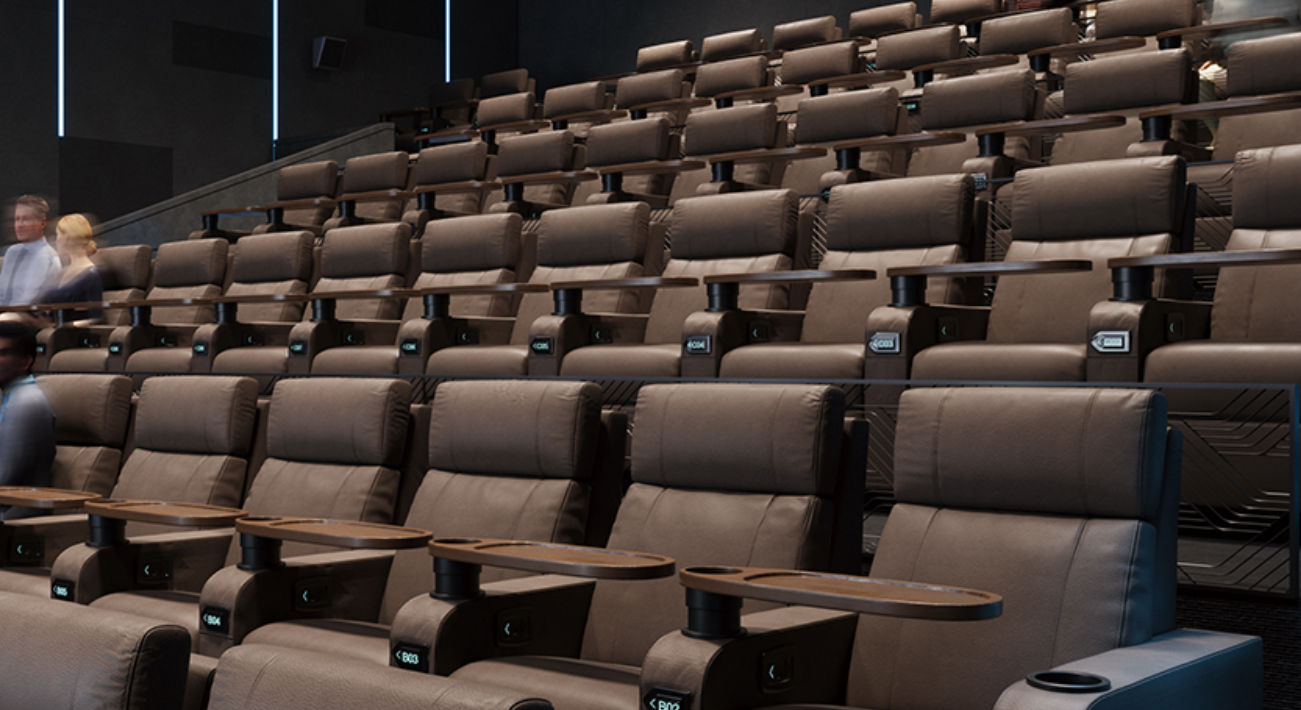
Opening the Comparison
Boston folks know a good seat when they see one — be it in Sanders Theatre or a freshly built campus hall — and the trick for buyers is separating style from substance. Start by sizing the market needs: fixed rows versus flexible clusters, acoustic needs versus sightline priorities. If you’re vetting auditorium seating suppliers, weigh real-world usage: how often the room reconfigures, who sits there, and whether tablet arms are required. Ergonomics and aisle width matter more than flash — they’re the baseline of comfort and safety.
What to Measure First
Comparative insight begins with three practical measures. First, seat pitch and row spacing determine legroom and egress. Second, upholstery and frame material define long-term wear and maintenance. Third, installation footprint and aisle layout affect capacity and compliance. Look at models side by side and map them against your room’s floor plan — you’ll spot where a slimmer seat gains an extra row or where a wider backrest ruins an exit path. These are the trade-offs that actually change outcomes for operators and attendees.
Materials, Comfort, and Maintenance
Brands trumpet foam densities and fabric grades; test what’s under the cover. High-resilience foam keeps shape longer, while vinyl cleans faster for multi-use venues. Pay attention to backrests and the recline mechanism — cheap pivots jam after a season. Also consider acoustic paneling interactions: denser upholstery can damp sound, which helps presenters but can muddle lively Q&A sessions. — Don’t let fancy stitching distract you from cushions that go flat in a year.
Accessibility and Code Considerations
Meeting fire code and ADA requirements is non-negotiable. Verify aisle spacing, wheelchair positions, and mounting systems against local regulations before ordering. Some vendors bundle certification documentation; insist on stamped drawings and layout plans. Lecture halls converted from older buildings — Boston’s historic venues are a case in point — often need custom solutions to reconcile heritage architecture with modern safety rules.
Installation, Lifecycle, and Total Cost
Price-per-seat tells only part of the story. Factor in installation hours, retrofit complexity, and expected upholstery replacement cycles. A heavier steel frame might raise upfront cost but cut lifecycle expense. Consider modular systems for spaces that switch from lecture formats to events; removable tablet arms and quick-release floor anchors save downtime. Lecture hall seats that snap into rails can be reconfigured faster than those requiring bolting and grouting.
Comparing Brands: What Real Buyers Ask
Institutional buyers focus on service, warranty, and spare-part availability as much as design. Look for straightforward warranty terms and local support networks — shipping a replacement end panel from overseas slows repairs. Check references: recent campus projects or municipal theaters that faced similar needs. Post-2020 redesigns across universities led many to prefer vendors who could handle hybrid-classroom upgrades and AV integrations.
Alternatives and Common Mistakes
Common missteps include over-customizing and under-testing sightlines. Don’t buy bespoke armrests if your rooms host rotating equipment; don’t assume a showroom sample behaves the same under mass occupancy. Alternatives worth considering: semi-modular systems, tiered fixed seating for improved sightlines, or lightweight folding chairs for multi-purpose rooms. Each choice carries maintenance and storage implications that too few planners budget for.
Final Checklist: Three Golden Rules for Selecting Lecture Hall Seats
1) Prioritize functional metrics: seat pitch, aisle width, and upholstery durability over decorative options. These directly affect safety, capacity, and upkeep.
2) Insist on installation and compliance documentation up front: stamped plans, warranty terms, and local service capability prevent costly delays.
3) Choose flexibility with intent: modular designs and easy-replace components pay off when programming shifts — classrooms evolve; your seating should too.
Put bluntly, the best outcome is the one that fits your space and holds up season after season — and that’s exactly where leadcom seating often slides into the picture as a sensible, long-term solution. — Worth remembering when you’re weighing looks against the real work a seat has to do.