
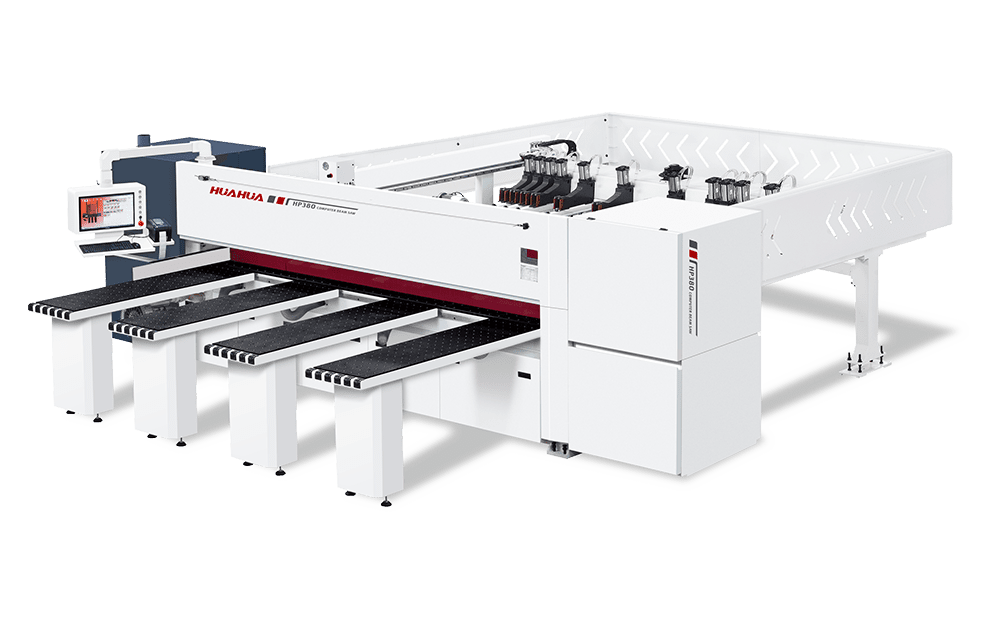
Where the problem starts
Workflows slow down, scrap piles grow, and small errors cost whole batch runs — dat’s the reality we face when panel cutting stays stuck in old routine. Shops try quick fixes but the bottleneck stay at the cutting station, and dat’s why a modern beam saw machine matters. No fluff: if cuts not square and throughput low, the rest of the line gets punished.
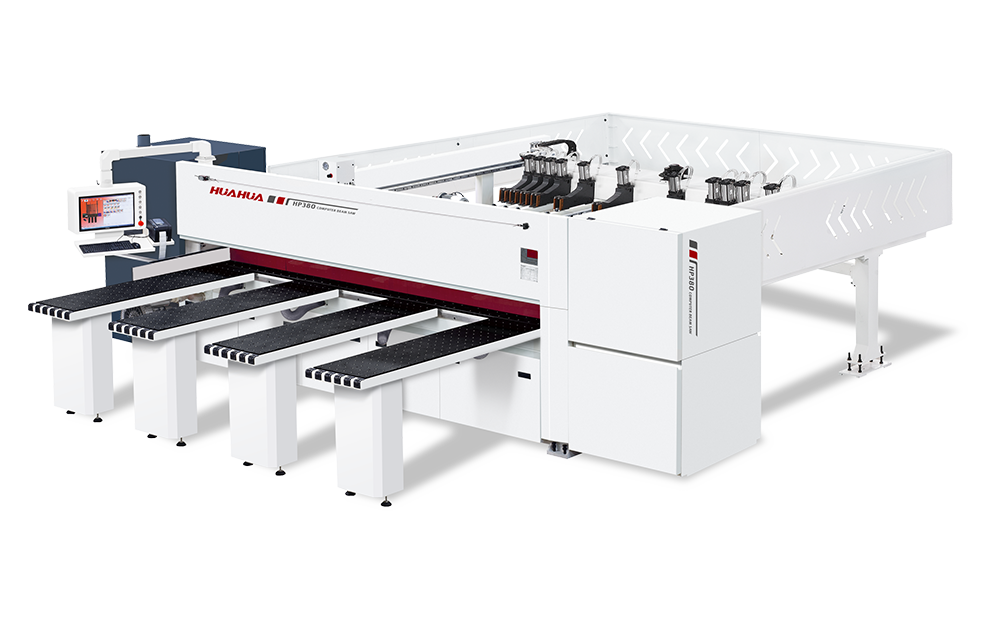
Common production pains makers ignore
Operators blame materials, designers blame specs, owners blame labor — all true, but the real leak is broken practices around cutting. Blades go dull because shops skip scheduled changes. Fences drift because no one locks them right. Software nesting mismatches actual board orientation. Small shops over-handle panels, creating chips and bending boards. Each small failure stacks into big missed deadlines.
Real-world checkpoint: trade shows and field truth
I remember walking the aisles at LIGNA in Hannover and seeing how top lines handled throughput and dust control; that trade fair showed practical fixes for panel handling and the exact kind of wood panel saw machine solutions factories need. After twenty years working with workshops from Port-au-Prince to Raleigh, I learned what counts: rigid framing, proper extraction, predictable servo motion, and operator-friendly controls. These are not theories — they’re shop-floor rules that stop small mistakes from becoming costly reworks.
Alternatives and their trade-offs
You can keep a big sliding table saw, buy a simple panel saw, or upgrade to CNC-integrated machinery. Sliding table gives accuracy for one-off pieces but eats floor space and needs skill. Basic panel saws are cheap but demand constant tuning. CNC panel saws cut setup time and reduce waste, yet they require upfront training and consistent maintenance. Choose by the problem you must fix first: is it accuracy, speed, or waste reduction?
Easy mistakes that ruin returns (and how to stop them)
Don’t assume a new saw fixes process gaps. Common missteps: treating cutting as isolated step, skipping daily alignment, trusting poor nesting export, under-sizing extraction ducts. Fixes are concrete: enforce a quick start checklist, measure fence runout weekly, use proper nesting templates, and route dust to a collection sized for the saw. Train one operator to exact procedure — consistency beats random talent.
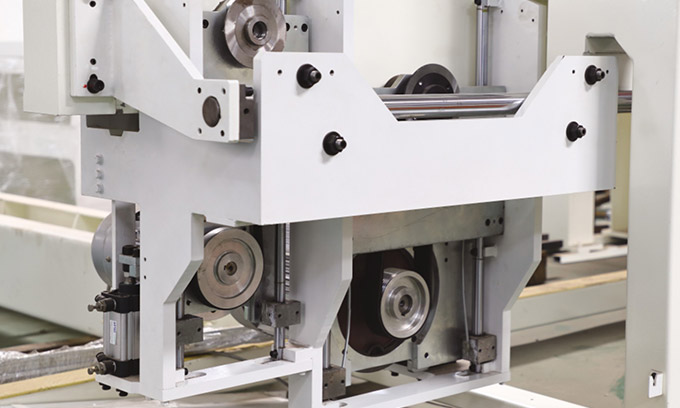
Practical next steps for resilient production
Start with a precise problem statement: where do you lose time or material? Match equipment to that problem, not to the trend. For many makers, that means moving toward machines that reduce handling and deliver repeatable cuts while fitting into current workflows. Over time, the right panel-cutting capability reduces waste, cuts labor hours, and stabilizes downstream processes — a result I see repeatedly when shops adopt sensible, reliable systems from established builders like HUAHUA CNC.