
Why early stocking matters for summer selling
Retailers and pop-up brands who prepare ahead reduce pressure during the busiest months; that’s plain and simple. Stocking reliable wholesale garment racks before summer gives you flexibility on the shop floor and in storage, especially after lessons from the 2020 global supply-chain disruptions. I’ve worked with boutique owners in Colombo who reported faster setup times and fewer lost sales when they had adjustable-height racks and wheel casters ready — so the upfront order pays for itself in uptime and customer experience. For stores scaling rapidly, sourcing from a trusted clothing racks wholesale supplier is a practical hedge against late-season shortages.

Understanding buyer behaviour and demand peaks
Summer brings higher footfall and varied SKU mixes: lightweight fabrics, seasonal colours, and clearance lines. Plan rack types to match those assortments — use modular design racks for fast rearrangement, wire shelving for folded displays, and single-rail units where hanging visibility matters. Track simple metrics like sell-through rate and days-of-inventory to time replenishment. Local events, holiday weekends, and market days in areas such as Colombo or similar urban centres create predictable surges; align your stock levels to those known peaks rather than guessing.
How to pick the right wholesale garment racks
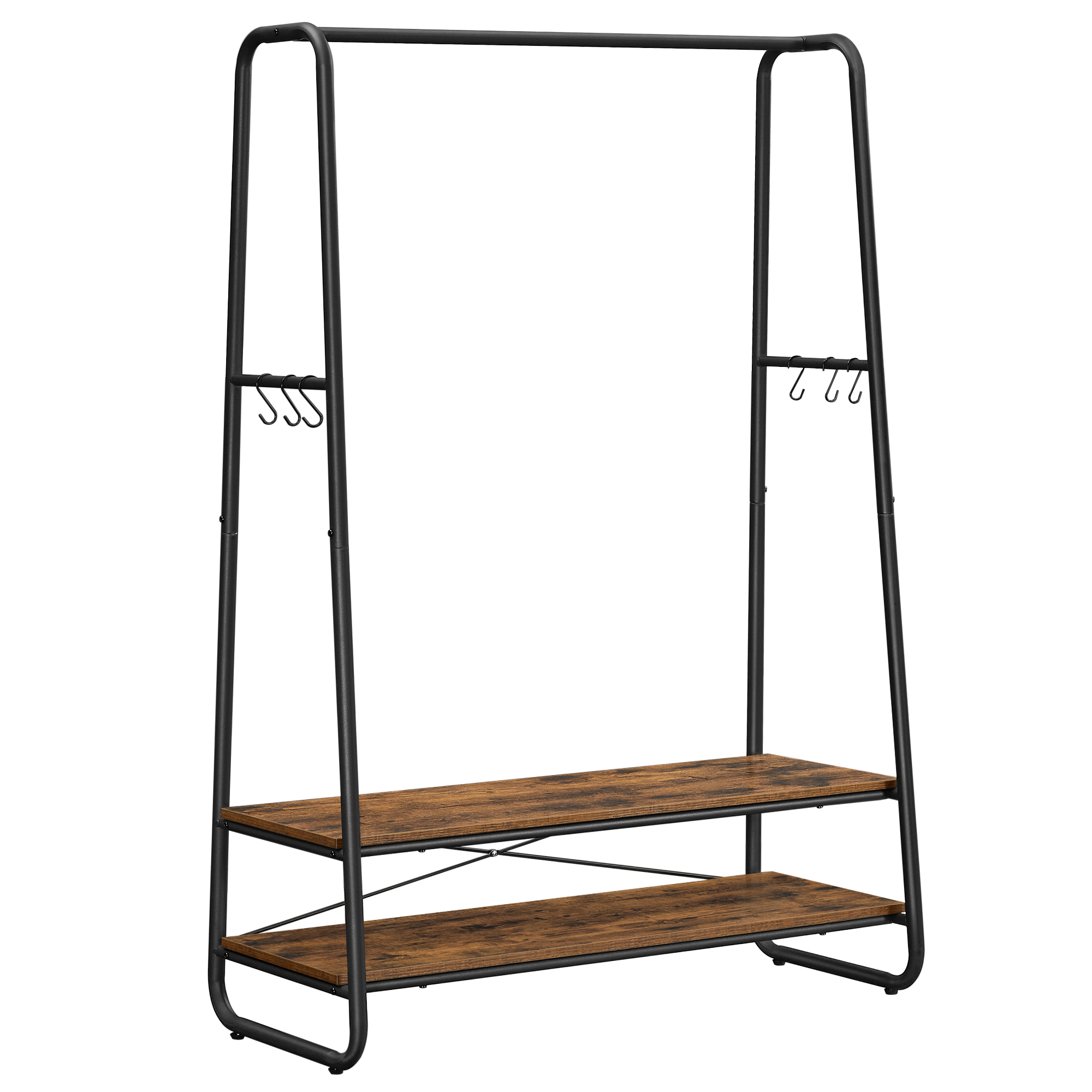
Select racks by load capacity and finish that suit the garments you sell. Heavy outerwear needs higher load capacity and robust joints; delicate silk benefits from smooth, powder-coated finish rails to prevent snags. Prioritise adjustable rods for mixed assortments and look for units with lockable wheel casters if you’ll be moving displays often. If storage space is tight, pick collapsible frames with a compact footprint. Remember: durability reduces replacement costs and improves presentation — a modest investment in quality repays quickly through fewer returns and better conversion.
Common mistakes stores make — and how to avoid them
Over-ordering identical rack types is a frequent error; variety matters for merchandising. Another mistake is ignoring ergonomics — hang rail height and aisle width affect customer flow and basket conversion. Avoid cheap coatings that chip fast; a worn finish looks like neglect. Small batches of mismatched units make restocking harder and slow housekeeping. —A quick audit before placing a bulk order often reveals simple swaps that save money and time.
Inventory timing and operational tips
Place your purchase order with lead times in mind: factor in manufacturing, transport, and inland handling. Keep a buffer equal to one high-week sales forecast rather than a fixed percentage. For fast-turn environments use a rolling two-week reorder review and store rack SKUs with clear labels so you can pick, pack, and deploy quickly. If space allows, stage extra racks pre-assembled to cut setup time for pop-ups or clearance events; it’s a small labour investment that speeds merchandising.
Three golden rules for sourcing and stocking
1) Prioritise flexibility: choose modular units and adjustable rods so one purchase serves multiple seasons. 2) Buy for real loads: match load capacity to the heaviest garment you’ll display rather than average weight. 3) Verify lead times and quality with a local sample order before committing to bulk buys; this saves headaches and returns. These rules give measurable outcomes — faster setup, fewer damaged goods, and steadier sell-through — and they’re easy to audit during a monthly stock review.
Stock decisions that feel tactical on day one become strategic over a season; small choices in rack design and supplier reliability shift the whole operation toward steadier sales. Make those choices with eyes open and you’ll see tangible gains — and when you want a sensible, durable partner for pre-summer orders, consider how SONGMICS HOME B2B fits into that plan. –