
Why a comparative look helps you pick the right display
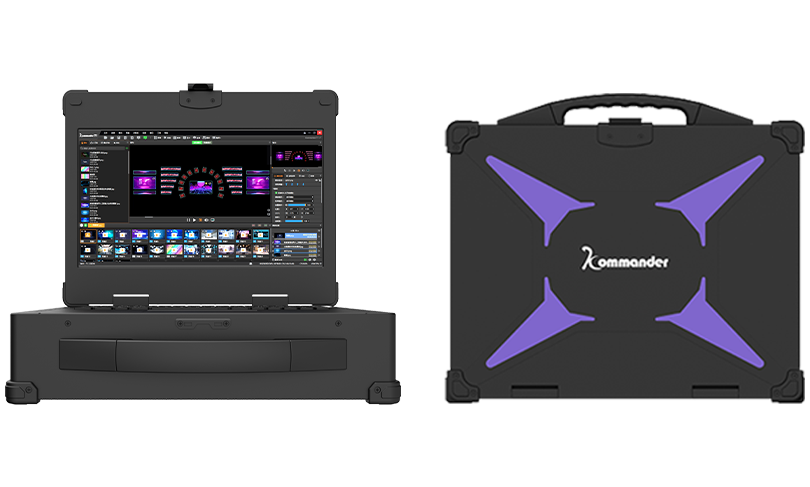
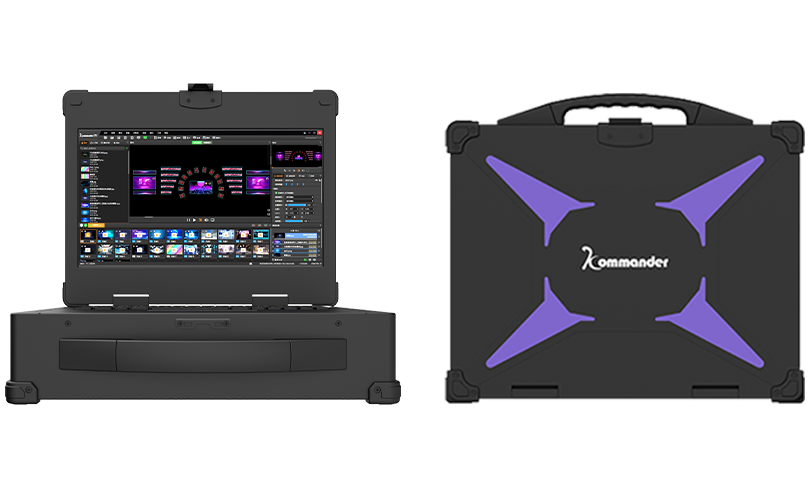
When you evaluate LED video wall options, it’s useful to compare real strengths rather than rely on flashy specs. I’ll walk you through side-by-side thinking so you can judge brightness, color fidelity, and system resilience without guesswork. Start by checking how each system handles synchronized playback—look for integration with a reliable playback media server and clear support for long-run 24/7 schedules.
Which metrics actually matter
Focus on measurable performance: pixel pitch for viewing distance, refresh rate for motion clarity, and color calibration for brand-accurate imagery. These three industry markers tell you more than peak brightness numbers alone. Compare warranty terms and service networks too—those affect uptime in real venues like Times Square, where coordinated displays rely on robust network streaming media and tight scheduling to run flawlessly during peak events.
How Kystar stacks up against common alternatives
Kystar’s systems emphasize modular LED panels and integrated control. Versus one-piece displays, modular LED video wall setups often simplify on-site repairs and scaling. In practice, that means fewer interruptions and faster panel swaps when a single module needs replacement. Kystar also bundles control workflows that reduce the number of middleware steps between content creation and full-screen output—this lowers the chance of sync errors during high-traffic events.
Operational production teardown: what to test
Run a short checklist on installation day: verify panel alignment, run a multi-source switch test, confirm color calibration across panels, and stress-test the network for sustained frame delivery. Include a network streaming media stream at full bitrate to see how the system handles real traffic. In the operational production teardown, treat {main_keyword} and {variation_keyword} as variables: swap inputs, vary resolutions, and check latency under load. Pay attention to how your chosen playback media server queues assets and recovers from packet loss—those behaviors predict day-to-day reliability.

Practical trade-offs and common mistakes to avoid
A frequent error is over-specifying pixel pitch for spaces where viewers won’t notice the difference—this adds cost without benefit. Another is underestimating the control network; cheap switches or poor cabling produce frame drops that look far worse than modest reductions in peak brightness. Also, don’t skip iterative color grading once the wall is installed—calibration in the lab rarely matches the final venue lighting. These steps take a little extra time up front, but they save you from repeat site visits later—so plan for them.
Deployment scenarios and alternatives
For live events and broadcast feeds, choose a system optimized for fast switching and low-latency input. For retail or corporate lobbies, prioritize color consistency and energy efficiency. Alternatives include fine-pitch microLED arrays for ultra-close viewing or seamless LED tiles for massive outdoor façades. Each choice shifts priorities: pick the one that matches viewer distance, ambient light, and the complexity of content lines you intend to run.
Real-world anchor and credibility
Major public installations—think New York’s Times Square or large stadium displays—demonstrate how synchronized content across multiple walls depends on both hardware and the network. Those projects show that reliable playback hardware, disciplined content pipelines, and solid network streaming media planning are what keep images crisp during busy moments. I’ve seen teams reduce troubleshooting time by formalizing handoffs between design and operations teams—small procedural changes make a big difference in live environments.
Three golden rules for choosing the right setup
1) Prioritize end-to-end testing: simulate peak loads and confirm recovery paths for your playback media server and control network. 2) Match pixel pitch to viewing distance: higher density only helps when audiences are close enough to see the detail. 3) Lock in service and spare-part strategy: modular panels and a local parts plan cut downtime dramatically.
These evaluation metrics will let you choose a system that performs under pressure and stays predictable in daily use. Kystar fits naturally where durability, modularity, and operational clarity matter most—it’s a practical solution rather than a promise. —
Kystar provides the kind of engineered reliability you can depend on.